Egypt’s Dar Al-Ifta Clarifies the Islamic Ruling on Handling Trust Money Without Permission
Egypt’s Dar Al-Ifta has ruled that using entrusted money without the owner’s permission is strictly prohibited, even if done with good intentions, stressing that any profit belongs to the owner, while any loss must be borne by the one who acted without authorization.
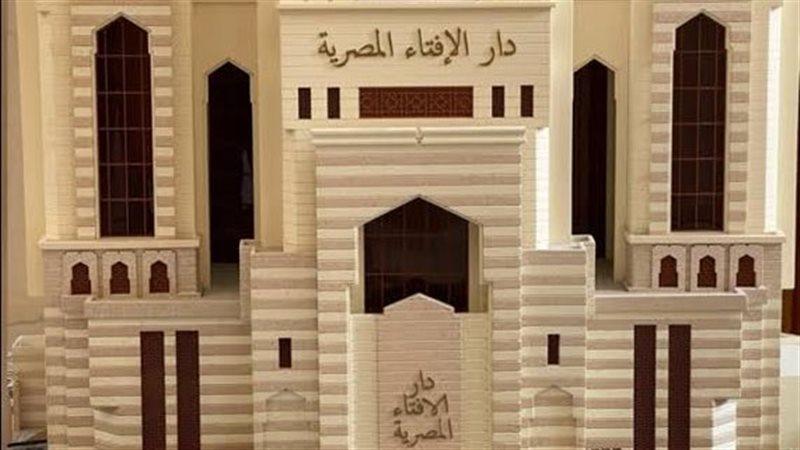
Dar Al-Ifta Egypt responded to a public inquiry about the ruling on using entrusted money for personal judgment or benefit, after a man asked whether he could invest money given to him as a trust by buying gold in anticipation of rising prices.
In its official statement, Dar Al-Ifta explained that it is forbidden to dispose of a deposit without the owner’s consent, even if the intent is to achieve benefit. Once the trustee exceeds the duty of safekeeping and begins to use the funds, he becomes liable for any damage or loss that occurs.
The fatwa clarified that if any profit or growth results from such action, it belongs entirely to the owner of the money, while any loss or damage is borne by the person who acted without permission.
Dar Al-Ifta emphasized that Islamic law commands the return of trusts to their rightful owners, citing the Qur’anic verse:
“Indeed, Allah commands you to render trusts to whom they are due.” (An-Nisa: 58)
and the verse:
“O you who have believed, do not betray Allah and the Messenger or betray your trusts while you know [the consequence].” (Al-Anfal: 27)
It also quoted the Prophet Muhammad ﷺ who said:
“Render back the trust to the one who entrusted you, and do not betray even the one who betrays you.”
Dar Al-Ifta concluded by reaffirming that returning entrusted property is a binding religious obligation, regardless of the character of the owner, citing the consensus of scholars as stated in Al-Ishraf by Imam Ibn Al-Mundhir.

Learn the authentic bedtime adhkar from the Sunnah, including duas before sleep, Quranic protection, and what Prophet Muhammad ﷺ used to say and do before going to bed.

Learn about the essential attributes of Prophet Muhammad ﷺ, what cannot be attributed to him, what is permissible regarding his humanity, and his rights upon the Muslim Ummah.

Discover meaningful Islamic supplications for patience, comfort, relief from distress, and peace of heart, including authentic prayers from the Quran and Sunnah.

Dr. Ali Gomaa highlights the virtue of sending blessings upon Prophet Muhammad ﷺ, its place among acts of remembrance, and the importance of loving the Prophet and following his Sunnah.
