Egypt to Sight Dhul-Qi’dah Crescent 1447 AH This Friday Amid Astronomical Expectations
Egypt’s Dar al-Ifta is set to observe the crescent of Dhul-Qi’dah 1447 AH on Friday, with astronomical data indicating possible moon visibility shortly after sunset.
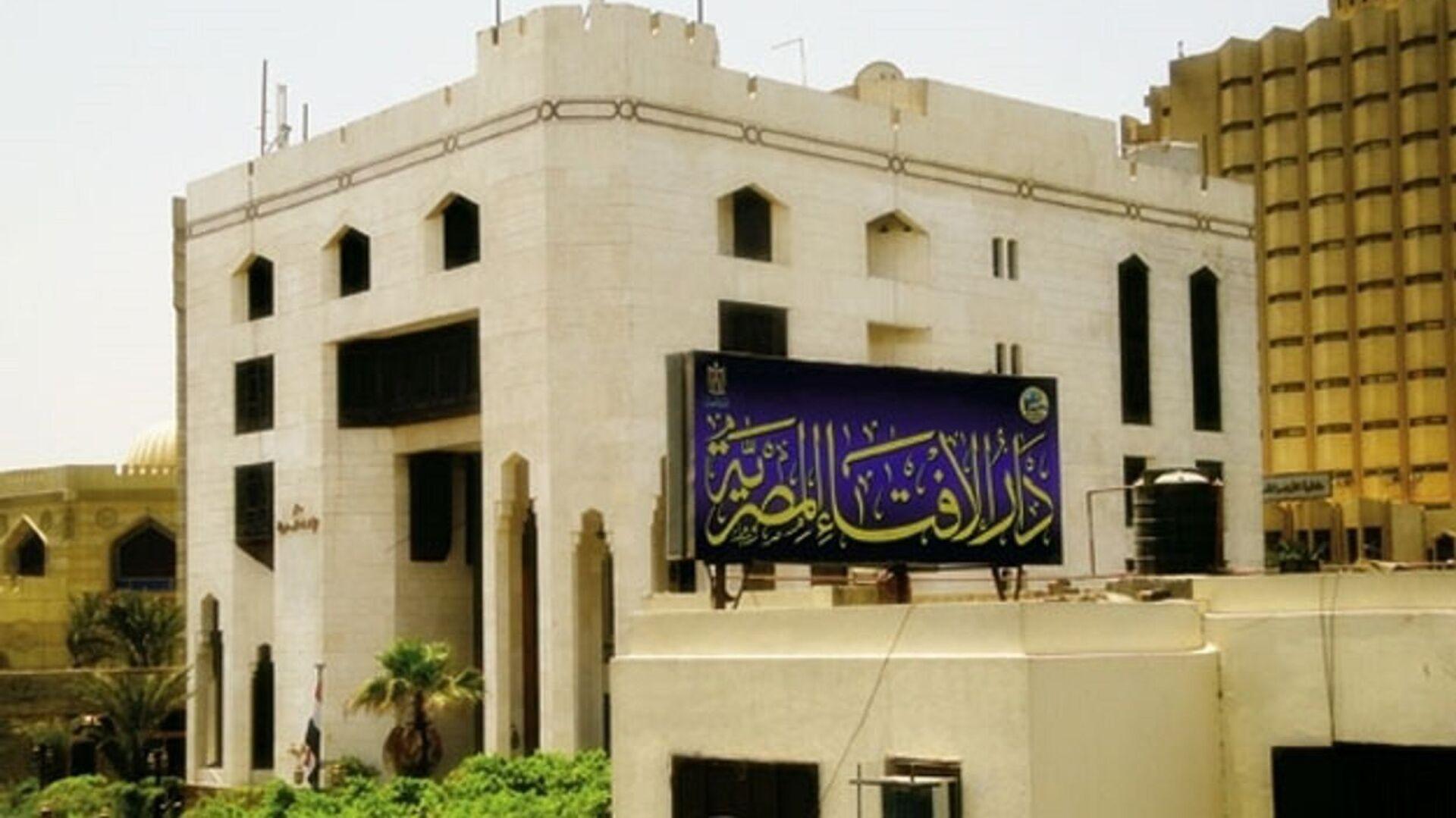
In a moment of anticipation, Egypt’s Dar al-Ifta is preparing to observe the crescent of the month of Dhul-Qi’dah for the year 1447 AH on Friday, April 17, 2026, through its nationwide scientific and religious committees.
This observation aims to determine the official start of the eleventh month of the Islamic lunar calendar, which holds significance as it precedes major religious seasons.
Preliminary astronomical calculations indicate that the new crescent moon will be born shortly after conjunction, with potential visibility for a short period after sunset depending on geographical location.
Reports suggest that the crescent may remain visible in the sky of Cairo for several minutes after sunset, with varying durations across different regions, serving as a supporting scientific indicator in the sighting process.
If the crescent is confirmed, the first day of Dhul-Qi’dah 1447 AH is expected to fall on Saturday, April 18, 2026, marking the beginning of one of the sacred months in Islam.
The Islamic calendar, based on the lunar cycle, continues to be carefully observed by religious authorities to ensure accurate determination of months through a combination of observation and astronomical science.
Dhul-Qi’dah remains one of the sacred months in Islam, a period marked by spiritual significance and historical reverence.
For more details and the latest updates, follow Masr Connect

Dar Al-Ifta clarified the Islamic ruling on how patients suffering from involuntary urine leakage can properly perform الصلاة, emphasizing ease and removal of hardship in Islamic law.
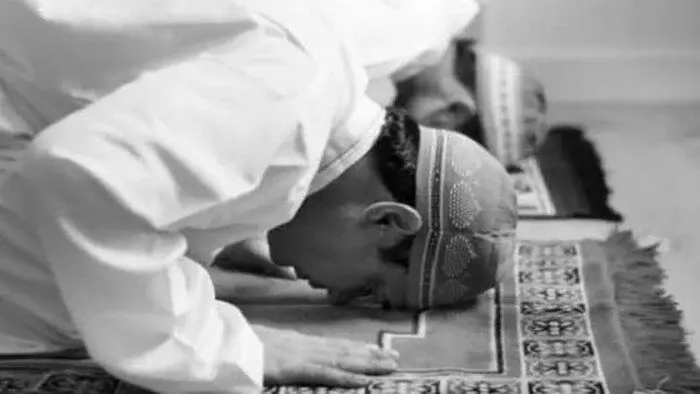
Islamic authorities warn against any behavior that distracts or disturbs a person during prayer, emphasizing the sacredness of salah and the severe sin of disrupting its spiritual focus.
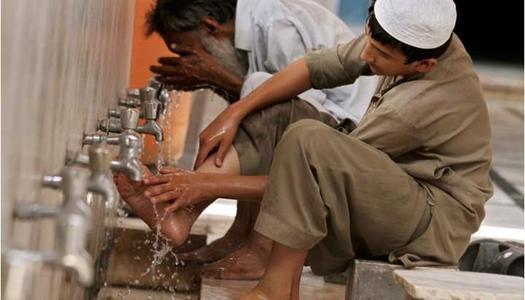
Many wonder whether one ablution is sufficient for all five daily prayers. Islamic scholars clarify the ruling, highlighting both permissibility and the prophetic preference for renewing wudu.
Many people wonder whether mindfulness and deep reflection are required when reciting morning and evening adhkar, or if verbal repetition alone is sufficient. Islamic rulings clarify the balance between heart and tongue.
