Fatwa Explains the Ruling on Accepting or Rejecting Gifts Without Reason
The Egyptian Fatwa Authority emphasizes that accepting gifts is recommended in Islam, and rejecting them without a valid reason undermines goodwill, citing the Prophet’s teachings and scholars’ opinions.


A question was raised to the Egyptian Fatwa Authority about the ruling on rejecting a gift without a valid religious reason. The questioner said he had given gifts to a friend, who refused to accept them, causing him significant distress. He asked whether it is permissible to reject a gift according to Islamic law and the practice of the Prophet Muhammad (peace be upon him).
The Fatwa Authority explained that Islam encourages gift-giving because it increases love, strengthens bonds, removes grudges, and fosters goodwill among people. The Prophet Muhammad (peace be upon him) consistently accepted gifts and encouraged others to do the same. As narrated in Sahih Bukhari: “If I were invited to a small or large gift, I would accept it; and if a gift were offered to me, I would accept it.”
Scholars agree that accepting gifts is recommended (mustahabb) rather than obligatory. Acceptance shows respect and affection toward the giver and spreads goodwill, while rejecting gifts without reason can cause emotional harm. The Prophet forbade rejecting gifts without valid reason, as recorded in Musnad Ahmad and Ibn Hibban: “Respond to the giver, do not reject the gift.” Khalid bin ‘Adi Al-Juhani narrated that the Prophet said: “Whoever receives a favor from his brother, without asking or seeking it, let him accept it, for it is sustenance sent by Allah.”
Gifts may also be considered sustenance from Allah, and accepting them strengthens social bonds, promotes goodwill, and prevents grudges. If a valid religious reason prevents acceptance, it is recommended to explain the reason to the giver to maintain harmony and respect.
In conclusion, accepting gifts is recommended, rejecting them without valid reason is discouraged, and gifts serve as a means to foster love, remove grudges, and strengthen relationships in accordance with Islamic ethics.
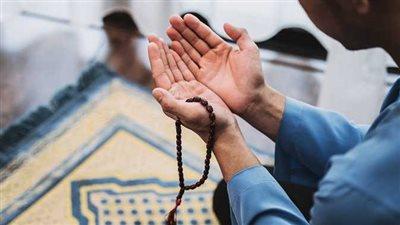
Learn the supplication for fulfilling needs, including prophetic duas, the prayer of need, and key conditions for answered prayers like sincerity, certainty, and timing.

A statement confirms that Dr. Ahmed Maabed Abdel Karim, member of Al-Azhar’s Council of Senior Scholars, is in good health and currently resting under medical advice.

Dar Al-Ifta explains that installment sales with a known price increase are permissible and differ from riba due to the presence of goods and a fixed agreed price
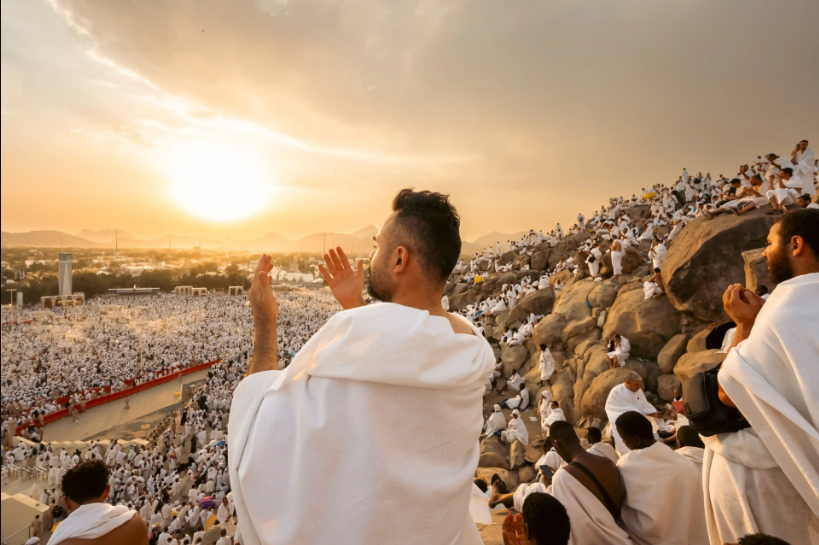
Learn about the Days of Tashreeq in Dhul-Hijjah, their Islamic rulings, pilgrim rituals like stoning the Jamarat, and the prohibition of fasting during them.
