Fatwas & Rulings | Charity, Repentance, “Madad Ya Sayyidna Al-Hussein,” and Feeding in the Name of the Deceased
Egypt’s Dar Al-Iftaa clarifies the link between charity and forgiveness, the ruling on saying “Madad Ya Sayyidna Al-Hussein,” and the virtue of feeding people in memory of the deceased.

The Dar Al-Iftaa issued several important religious rulings addressing common questions among Muslims, focusing on charity, repentance, seeking spiritual aid, and dedicating good deeds to the dead.
Regarding charity and forgiveness of sins, Sheikh Ahmed Mamdouh affirmed that ongoing charity is among the greatest acts that erase sins, quoting the verse: “Indeed, good deeds do away with misdeeds.” He explained that righteous deeds erase minor sins, whereas major sins require sincere repentance and restitution of rights.
Sheikh Mohamed Abdelsamie emphasized that believers should increase good deeds and remembrance of God, as charity, feeding the poor, reading the Qur’an, and helping others cleanse the soul and bring divine forgiveness.
On the issue of saying “Madad Ya Sayyidna Al-Hussein,” former Grand Mufti Dr. Shawki Allam clarified that the phrase is not an act of polytheism, as the intention is seeking help from God through the honor of His righteous servants. Sheikh Mohamed Wissam added that the expression is permissible since martyrs are alive with their Lord, and asking for “madad” signifies a request for divine aid, not worship of anyone besides God.
As for feeding the poor on behalf of the deceased, Dr. Zainab El-Saeed explained that it is among the most beloved deeds to God and that its reward reaches the deceased if intended sincerely. She advised giving according to the needs of the poor—food if they are hungry, or money if in need—stressing that pure intention elevates the reward in both cases.

Learn the best dua to say when leaving home, including the prophetic remembrance that expresses trust in Allah and asks for guidance and protection from harm.

Dr. Mohamed Mokhtar Gomaa explains the deeper lessons in the story of Prophet Joseph, including the different legal rulings and how Joseph was able to keep his brother with him.

Who was Moses’ wife, and was she the daughter of Prophet Shuʿayb? Learn about the names Zipporah, Safura, Safuraah and Safuria and what scholars reported.
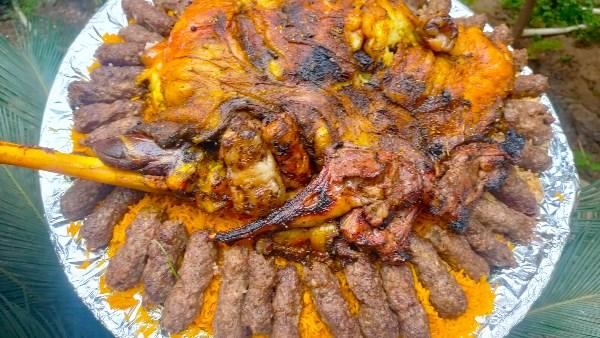
Learn the Islamic ruling on Aqiqah for boys and girls, the number of sheep, the recommended timing, how the meat is distributed, and whether it can be performed before birth.
