Al-Azhar and Fatwa Rulings: Hajj Mistakes, Fasting Dhu al-Hijjah, and Intention
Key rulings from Al-Azhar and Dar al-Ifta on Hajj mistakes, fasting the early days of Dhu al-Hijjah, and the ruling on making intention for voluntary fasting.


Mistakes Made by Pilgrims During Hajj
Clarification from Al-Azhar Fatwa Center
Al-Azhar Global Center for Electronic Fatwa highlighted several mistakes that pilgrims may make during Hajj rituals and explained how to correct them according to Islamic rulings.
Key Rulings on Ihram and Hunting
The center explained that crossing the miqat without entering ihram requires returning to it if possible, otherwise a compensatory sacrifice (dam) is required. Deliberate violation of ihram restrictions requires expiation, while mistakes due to forgetfulness or ignorance carry no sin according to the preferred opinion.
Rulings on Hunting and Marital Relations
If a pilgrim intentionally hunts while in ihram, an expiation is required. However, if the act is unintentional, there is no penalty. Marital relations before standing at Arafat invalidate the Hajj and require completion of the ritual and making it up later.
Common Misconceptions in Rituals
It was clarified that the size of pebbles used for stoning should be small, and that stoning should be performed personally unless there is a valid excuse.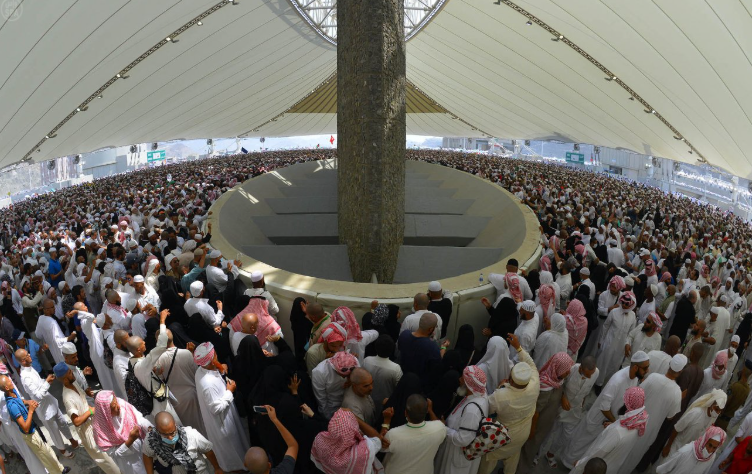
Ruling on Fasting the Early Days of Dhu al-Hijjah
Recommendation of Good Deeds
Dar al-Ifta stated that fasting the first eight days of Dhu al-Hijjah is recommended as part of general good deeds during these blessed days, not because of a specific narration commanding it.
Virtue of Fasting
Fasting is among the most rewarding acts of worship in these days, with multiplied rewards and great spiritual merit.
Is It Required to Make Intention the Night Before Fasting?
Majority Scholarly Opinion
The majority of scholars state that making the intention the night before is not required for voluntary fasting, including fasting in Dhu al-Hijjah.
Evidence from Hadith
They cite the narration of Aisha (may Allah be pleased with her), where the Prophet ﷺ declared his intention to fast during the day, proving that voluntary fasting can begin without prior night intention.
Conditions of Intention
A person may intend voluntary fasting until midday, provided they have not consumed anything that breaks the fast since dawn. Obligatory fasts, however, require intention from the night.
What to Do During the First Ten Days of Dhu al-Hijjah
Recommended Acts
Scholars encourage fasting, remembrance of Allah, takbeer, tahleel, tahmeed, Qur’an recitation, charity, and maintaining family ties during these blessed days.
Virtue of These Days
They are considered the best days of the year, where good deeds are more beloved to Allah and carry multiplied rewards.
FAQ
Is fasting in Dhu al-Hijjah obligatory?
No, it is a recommended voluntary act.
Can I fast without making intention at night?
Yes, for voluntary fasting, if no invalidators occurred since dawn.
Do Hajj mistakes always require expiation?
Not always; it depends on the type of mistake and intention.
Can pebbles for stoning be collected from anywhere?
Yes, they can be collected from any place.
What are the best deeds in Dhu al-Hijjah?
Fasting, remembrance of Allah, Qur’an recitation, and charity are among the best deeds.

Learn about the authentic evening adhkar from the Sunnah, their virtues, recommended repetitions, and how they bring protection, peace, and blessings.

Ruqyah Shar’iyyah is one of the Islamic methods of seeking healing and protection through Quranic verses and prophetic supplications. Learn its correct method, verses, and duas.

Learn the dates of the White Days of Safar, the virtues of fasting them, why they are called the White Days, and the Islamic teachings regarding this recommended Sunnah.

Discover the complete story of Prophet David (Dawood) in Islam, including how he became both a king and a prophet, his miracles, his devotion to worship, and his remarkable life according to the Quran and authentic Sunnah.
