Fasting the First 9 Days of Dhu al-Hijjah: Virtues and Powerful Reasons to Observe It
Fasting the first nine days of Dhu al-Hijjah is a highly recommended act of worship with great virtues, offering immense reward and spiritual elevation for Muslims.
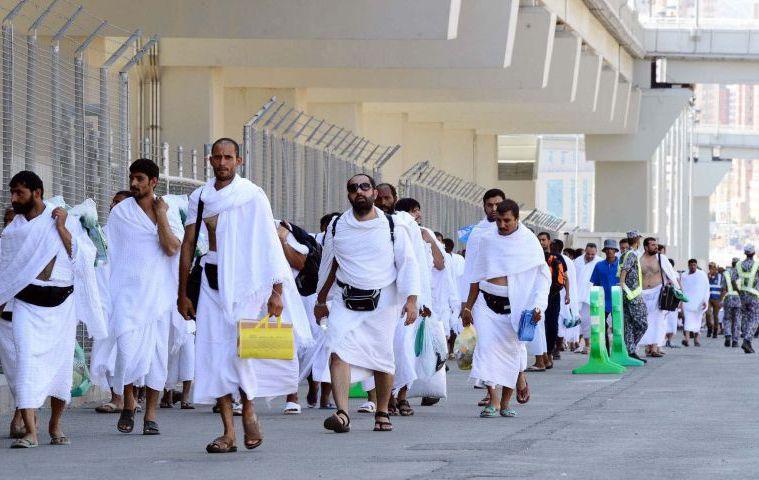

Fasting the First 9 Days of Dhu al-Hijjah: A Great Act of Worship and a Precious Opportunity
The Virtue of Fasting the First Nine Days of Dhu al-Hijjah
The Status of the Ten Days in Islam
The first ten days of Dhu al-Hijjah are among the greatest days of the year in Islam. Allah has sworn by them in the Qur’an, which highlights their immense honor and spiritual significance. In these days, good deeds are multiplied and opportunities for drawing closer to Allah increase.
The Virtue of Fasting in These Days
It is recommended for Muslims to fast the first nine days of Dhu al-Hijjah, as fasting is one of the most beloved acts of worship to Allah. It is a sincere form of devotion whose reward is known only to Allah Almighty.
Powerful Reasons to Fast the Days of Dhu al-Hijjah
1. Increased Reward and Multiplication of Good Deeds
Fasting is among the deeds whose reward is greatly multiplied, especially during these blessed days.
2. Strengthening the Connection with Allah
Fasting keeps the believer in a continuous state of worship and spiritual awareness.
3. Forgiveness of Sins
Fasting helps erase sins and purify the believer when performed sincerely.
4. Attaining the Intercession of Fasting
Fasting will intercede for its performer on the Day of Judgment.
5. Protection from Hellfire
Fasting acts as a shield and protection from punishment in the Hereafter.
6. A Time Filled with Good Deeds
These days combine fasting, remembrance of Allah, قرآن recitation, and charity.
7. Following the Sunnah of the Prophet ﷺ
The Prophet ﷺ used to fast during these blessed days, showing their importance.
Ruling on Fasting the First Nine Days of Dhu al-Hijjah
Fasting these days is recommended (Sunnah), not obligatory. It is one of the best voluntary acts of worship that brings a believer closer to Allah, except for Eid day, which is strictly prohibited to fast.
When Does Fasting of Dhu al-Hijjah Begin?
Fasting begins from the first day of Dhu al-Hijjah and continues until the ninth day (Day of Arafah), one of the most virtuous days of the entire year.
Best Deeds During the Days of Dhu al-Hijjah
Alongside fasting, Muslims are encouraged to increase remembrance of Allah, recitation of the Qur’an, supplication, charity, and maintaining family ties, as these are days in which rewards are greatly multiplied.
FAQ
Is fasting the first nine days of Dhu al-Hijjah obligatory?
No, it is a recommended Sunnah and not obligatory.
Can the fasting days be done separately?
Yes, they can be fasted consecutively or separately depending on ability.
Which is the best day to fast in Dhu al-Hijjah?
The Day of Arafah (9th of Dhu al-Hijjah) is the most virtuous for non-pilgrims.
Is it allowed to fast all ten days?
Fasting is recommended for the first nine days only; fasting Eid day is forbidden.
What is the virtue of fasting in Dhu al-Hijjah?
It brings forgiveness, multiplied rewards, and spiritual elevation.

Learn a prophetic way for peaceful sleep every night through 3 simple acts: reciting the Mu’awwidhat, Ayat Al-Kursi, and the last verses of Al-Baqarah for tranquility and protection.
Best dua for 1st Dhul Hijjah and powerful supplications for the first ten days of Dhul Hijjah 1447, with spiritual guidance and blessings.

Learn whether intention is required before fasting Dhul-Hijjah and when it can be made.
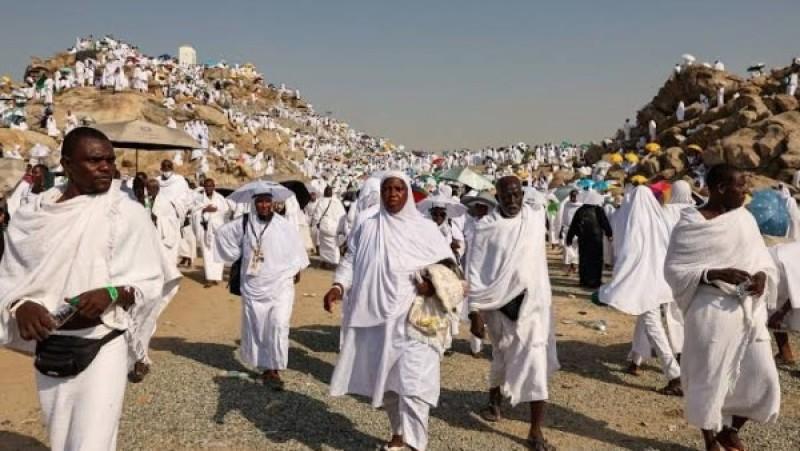
Learn the ruling on fasting the early days of Dhul-Hijjah and the most recommended acts of worship during this blessed period.
