


Ruling on Intention for Fasting the First Days of Dhul-Hijjah
Many Muslims wonder at the beginning of the first ten days of Dhul-Hijjah whether it is necessary to make the intention for fasting during the night or if it can be delayed.
Scholars have agreed that it is not required to make the intention in advance for voluntary fasting, including fasting the first nine days of Dhul-Hijjah, as it falls under non-obligatory fasting.
Evidence for Permissibility of Delayed Intention
Hadith of Aisha
Scholars rely on the narration of Aisha (may God be pleased with her), where the Prophet asked if there was any food available, and when told there was none, he said: “Then I am fasting.”
This hadith indicates that it is permissible to form the intention for fasting later in the day, as long as the person has not done anything that breaks the fast since dawn.
Conditions for the validity of the intention for voluntary fasting
When Can the Intention Be Made?
A person can intend to fast voluntarily up until noon, provided that:
- They have abstained from food and drink since dawn
- They have not performed any action that breaks the fast
Difference Between Obligatory and Voluntary Fasting
- Obligatory fasting (such as Ramadan): Intention must be made before dawn
- Voluntary fasting: Intention can be made during the day
What Should Be Done During the First Ten Days of Dhul-Hijjah?
Best Recommended Deeds
These days are among the greatest seasons of worship, and the Prophet encouraged increasing righteous deeds during them, including:
- Fasting the first nine days
- Frequent remembrance of God
- Reciting the Qur’an
- Saying Takbeer, Tahleel, and Tahmeed
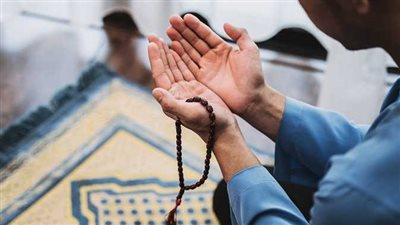
- Supplication
- Charity
Virtue of These Days
Righteous deeds during these days are more beloved to God than at any other time, even more than striving in His cause except in special cases.
Frequent remembrance of God is highly recommended, as it reflects reverence and strengthens spiritual connection.
FAQ
Is intention required before fasting Dhul-Hijjah?
No, it is not required as it is voluntary fasting.
Can intention be made during the day?
Yes, as long as no fast-breaking actions were done since dawn.
What is the difference between obligatory and voluntary fasting?
Obligatory fasting requires prior intention, while voluntary fasting does not.
What are the best deeds during these days?
Fasting, remembrance, supplication, and charity.
Are rewards greater during these days?
Yes, rewards are multiplied more than other days of the year.




