Ruling on Fasting the First Eight Days of Dhul-Hijjah and Best Deeds
Learn the ruling on fasting the early days of Dhul-Hijjah and the most recommended acts of worship during this blessed period.
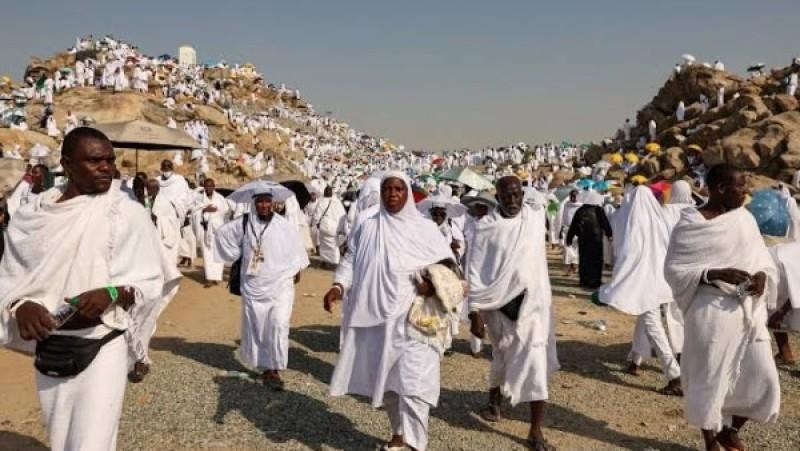

Ruling on Fasting the First Eight Days of Dhul-Hijjah
Many Muslims wonder about the ruling on fasting the first eight days of Dhul-Hijjah and whether it is a confirmed Sunnah or simply recommended.
It has been clarified that fasting these days is recommended, not because it is a specific Sunnah tied to them, but due to the general virtue of performing righteous deeds during this blessed time. Fasting is among the greatest acts of worship.
There is no specific text obligating fasting these particular days, but they fall under the broader category of good deeds that are encouraged.
The Virtue of Righteous Deeds in the First Ten Days of Dhul-Hijjah
The Status of These Days
The first ten days of Dhul-Hijjah are among the greatest days of the year, holding a special place in Islam. Good deeds are multiplied, and ranks are elevated during this time.
Righteous actions performed in these days are more beloved than at other times, encouraging Muslims to increase acts like fasting, remembrance, and supplication.
Why Is Fasting Recommended?
Fasting during these days is one of the best acts of worship, combining sincerity and patience, and offering immense reward during a time when good deeds are greatly multiplied.
Is Intention Required Before Fasting?
Ruling on Intention for Voluntary Fasting
Scholars agree that it is not required to make the intention at night for voluntary fasting, including fasting in the early days of Dhul-Hijjah.
A person may form the intention during the day, provided they have not done anything that breaks the fast since dawn.
Difference Between Obligatory and Voluntary Fasting
- Obligatory fasting: Intention must be made before dawn.
- Voluntary fasting: Intention can be made during the day before noon.
Best Deeds During the First Ten Days of Dhul-Hijjah
Recommended Acts to Increase Reward
Muslims are encouraged to make the most of these blessed days by increasing acts of worship such as:
- Fasting
- Remembrance of God
- Recitation of the Qur’an
- Supplication
- Charity
Importance of Remembrance and Takbeer
It is highly recommended to frequently recite phrases of glorification, praise, and declaration of God’s greatness, as they reflect reverence for these sacred days.
How to Make the Most of These Days
Muslims should treat these days as a valuable opportunity to draw closer to God by committing to acts of worship, avoiding sins, and appreciating the spiritual significance of the season.
Organizing time between different acts of worship can help maximize spiritual benefit.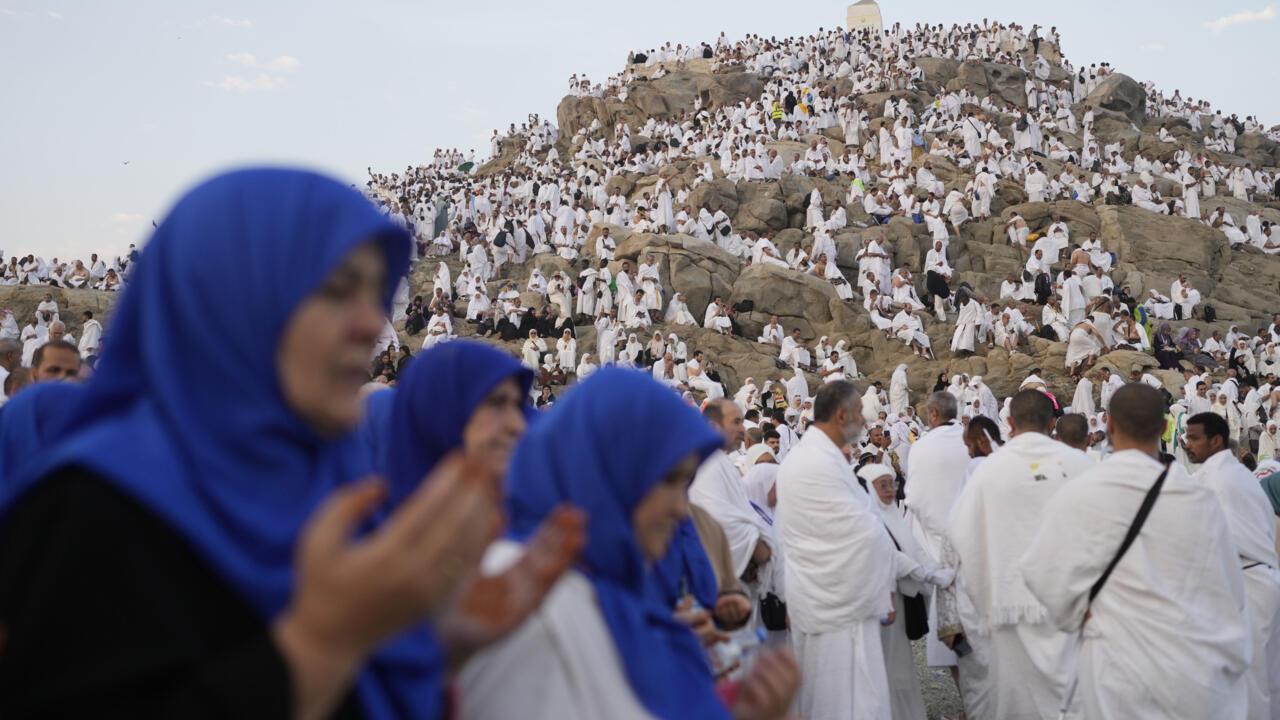
FAQ
Is fasting the first eight days of Dhul-Hijjah obligatory?
No, it is recommended but not obligatory.
Did the Prophet specifically fast these days?
There is no specific text, but they fall under recommended righteous deeds.
Can I fast without prior intention?
Yes, for voluntary fasting, intention can be made during the day.
What are the best deeds during these days?
Fasting, remembrance, supplication, Qur’an recitation, and charity.
Is the reward greater during these days?
Yes, rewards are multiplied more than other days of the year.
Learn about the authentic evening adhkar from the Sunnah, their virtues, recommended repetitions, and how they bring protection, peace, and blessings.

Ruqyah Shar’iyyah is one of the Islamic methods of seeking healing and protection through Quranic verses and prophetic supplications. Learn its correct method, verses, and duas.

Learn the dates of the White Days of Safar, the virtues of fasting them, why they are called the White Days, and the Islamic teachings regarding this recommended Sunnah.

Discover the complete story of Prophet David (Dawood) in Islam, including how he became both a king and a prophet, his miracles, his devotion to worship, and his remarkable life according to the Quran and authentic Sunnah.
