Can Sacrificing Birds Be Valid? Ahmed Karima Responds to Al-Hilali’s Fatwa
Learn Ahmed Karima’s response to the fatwa allowing bird sacrifice and the Islamic ruling that limits Udhiya to livestock according to the majority of scholars.


The debate over the permissibility of sacrificing birds has sparked widespread controversy, especially after statements by Saad El-Din Al-Hilali suggesting that chickens and roosters could be used as Udhiya.
In response, Dr. Ahmed Karima, Professor of Comparative Jurisprudence at Al-Azhar University, firmly rejected this opinion.
This article presents his response, supporting evidence, and the Islamic ruling on the matter.
Ahmed Karima’s Response to Bird Sacrifice Fatwa
A Firm Rejection
Dr. Ahmed Karima stated that the claim allowing bird sacrifice such as chickens or roosters is:
- “Incorrect and baseless”
- Not supported by authentic Islamic evidence
- Contrary to established Islamic jurisprudence
Qur’anic Evidence
Meaning of “And Sacrifice”
Karima cited the verse:
“So pray to your Lord and sacrifice”
He explained that:
- The term “sacrifice” (nahr) linguistically and religiously refers to camels and livestock
- It does not apply to birds
- This indicates that Udhiya is restricted to livestock
Udhiya in Surah Al-Hajj
Specification of Livestock
He noted that Surah Al-Hajj:
- Mentions livestock as the means of sacrifice
- Recognizes them as part of Islamic rituals
Therefore:
- Udhiya, Aqeeqah, and Hady are limited to livestock
- Birds are not included in this ruling
Sunnah and Companions’ Practice
No Evidence of Bird Sacrifice
Karima emphasized that:
- The Prophet Muhammad ﷺ never sacrificed birds
- None of the Companions did so
- There is no authentic textual or practical evidence supporting it
The Story of Bilal ibn Rabah
Rejection of the Narration
He also denied the authenticity of the report claiming:
- Bilal ibn Rabah sacrificed a rooster
He described it as:
- Fabricated
- Unsupported
- Part of unreliable narratives without scholarly basis
Comparison with Al-Hilali’s Opinion
Difference in Interpretation
Saad El-Din Al-Hilali argues:
- Sacrifice is permissible with any edible animal
- Based on the Zahiri school
While Karima maintains:
- The majority scholarly opinion
- Limiting Udhiya to livestock only

Which Opinion Is Stronger?
Majority Scholarly View
The widely accepted opinion is:
- Udhiya is restricted to camels, cattle, and sheep
- As supported by the four major schools
Reason for Preference
Because:
- It is based on Qur’an and Sunnah
- It reflects continuous historical practice
Final Conclusion
Dr. Ahmed Karima firmly rejects the permissibility of bird sacrifice, affirming that Udhiya in Islamic law is limited to livestock, while the opposing view remains a minority opinion not accepted by the majority of scholars.
FAQ
Is sacrificing birds allowed in Islam?
No, according to the majority of scholars, Udhiya is limited to livestock.
What did Ahmed Karima say about this opinion?
He described it as incorrect and unsupported by evidence.
Is there any Sunnah supporting bird sacrifice?
No, nothing authentic has been reported from the Prophet or his companions.
What does “sacrifice” mean in the Qur’an?
It refers specifically to livestock such as camels and cattle.
Why do scholars disagree on this issue?
Due to different interpretations of Islamic texts.
Know Maghrib Adhan time on the 2nd day of Dhul-Hijjah with prayer timings, prophetic iftar supplications, and the virtues of fasting these blessed days.

Learn the ruling on sacrificing birds in Islam as Sheikh Owaida Othman of Dar Al-Ifta confirms Udhiya is limited to livestock only.
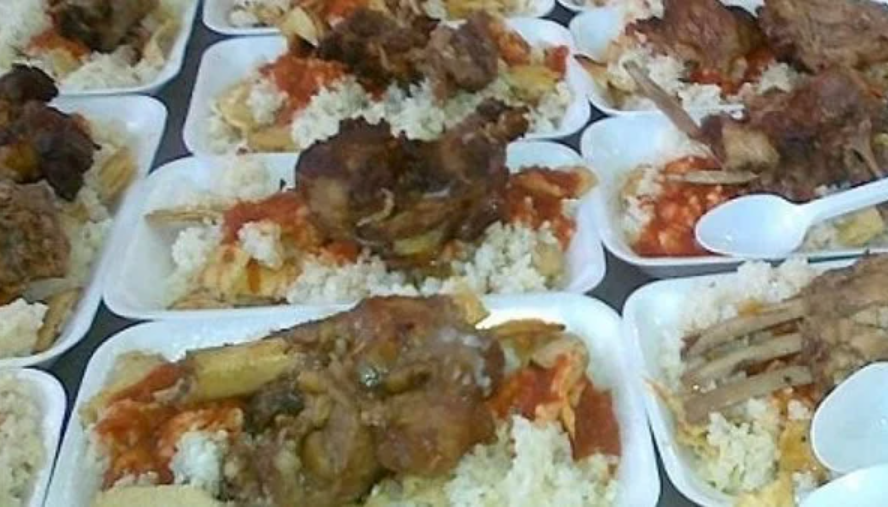
Learn whether Udhiya and Aqeeqah can be combined in one sacrifice according to Egypt’s Dar Al-Ifta, and the ruling on sacrificing younger animals.

Learn whether sacrificing a chicken or rooster is valid in Islam, based on Saad El-Din Al-Hilali’s opinion and the views of major Islamic schools.
