


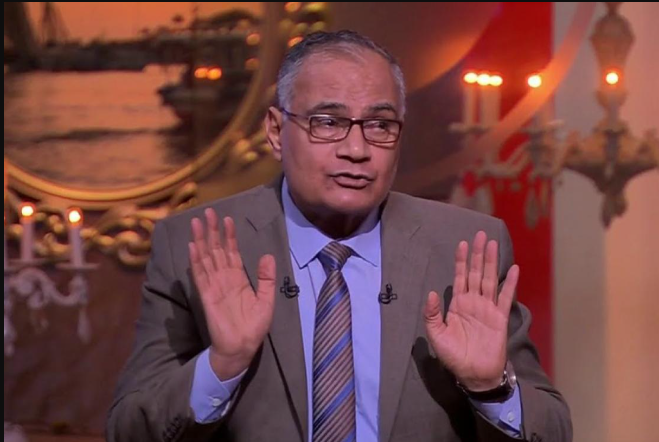
A statement by Saad El-Din Al-Hilali, Professor of Islamic Jurisprudence at Al-Azhar University, has sparked widespread debate after he suggested that the ritual sacrifice (Udhiya) is not limited to livestock and may include birds such as chickens and roosters.
In this article, we explore this opinion, the views of different Islamic schools, and the ruling on Udhiya.
Saad El-Din Al-Hilali’s Opinion on Sacrificing Birds
Permissibility of Sacrificing Any Edible Animal
Al-Hilali stated that:
- Udhiya is not restricted to livestock
- Any animal that is slaughtered and permissible to eat can be used
- This includes birds such as chickens and roosters
He based this on:
- The general wording of the Qur’anic verse: “And We ransomed him with a great sacrifice”
- The absence of a specific restriction to livestock
The Zahiri School Perspective
Expanding the Scope of Udhiya
Al-Hilali explained that this view is supported by:
- The Zahiri school of thought
- The opinions of Imam Ibn Hazm
According to this view:
- Udhiya is valid with any lawful animal
- Whether four-legged animals or birds
Examples of Valid Sacrifices
Based on this opinion:
- Camels, cows, and sheep
- Birds like chickens and roosters
- Any halal animal suitable for consumption
The Four Schools’ Position on Udhiya
Restriction to Livestock Only
The four major schools agree that Udhiya must be from:
- Camels
- Cattle
- Sheep
These schools include:
- Hanafi
- Maliki
- Shafi‘i
- Hanbali
Reason for This Restriction
The majority of scholars believe:
- Udhiya is a specific act of worship with defined conditions
- The Prophet’s practice limited it to livestock
- It should not be extended by analogy
Evidence for Sacrificing Birds
Reports and Narrations
Al-Hilali cited reports attributed to:
- Bilal ibn Rabah
In which it is mentioned:
- He did not object to sacrificing a rooster
- And preferred charity in some cases
Opinion of Ibn Hazm
Imam Ibn Hazm held that:
- Udhiya is permissible with any edible animal
- The best choice is what is more valuable and beneficial
Difference Between Scholarly Opinion and Official Fatwa
Diversity of Islamic Jurisprudence
This debate highlights that:
- Islamic law includes multiple interpretations
- Some opinions are broader while others are stricter
Official Fatwa Position
Egypt’s Dar Al-Ifta adopts:
- The majority opinion
- Limiting Udhiya to livestock only
Which Opinion Should Be Followed?
Following the Majority View
The most widely accepted and practiced opinion is:
- Udhiya must be from livestock
- As supported by most scholars
Following Alternative Opinions
It is permissible to follow the Zahiri view:
- In specific circumstances
- With awareness that it is not the majority opinion
Final Conclusion
While some scholars, particularly in the Zahiri school, allow sacrificing birds like chickens or roosters, the majority of scholars restrict Udhiya to livestock, which remains the officially adopted and widely practiced ruling.
FAQ
Is it permissible to sacrifice a chicken or rooster?
It is allowed in the Zahiri school, but not according to the majority of scholars.
What is the official ruling in Egypt?
Limiting Udhiya to livestock such as sheep, cattle, and camels.
Why do scholars differ on this issue?
Due to different interpretations of religious texts.
Can I follow a minority opinion?
Yes, in certain cases, but it is better to follow the majority.
What is the best type of Udhiya?
Healthy livestock with good quality meat, following the Prophet’s tradition.




