Many Muslims wonder whether skipping Sa’i in Hajj or Umrah is allowed, and whether it can be compensated with a sacrifice, especially in cases of forgetfulness, ignorance, or valid excuses.
In this article, we present the full Islamic ruling based on the official statement of Egypt’s Dar Al-Ifta, with a detailed explanation of different scenarios.
The Ruling of Sa’i in Hajj and Umrah
Sa’i Is an Essential Pillar
Egypt’s Dar Al-Ifta confirmed that Sa’i between Safa and Marwah:
- Is a fundamental pillar of Hajj and Umrah
- The ritual is invalid without it
- It cannot be compensated by sacrifice according to the majority of scholars
Therefore, skipping Sa’i invalidates the ritual until it is performed.
What Should Someone Do If They Skip Sa’i?
Obligation to Return and Perform It
Dar Al-Ifta explained that anyone who skips Sa’i must:
- Return to مكة to perform it
- Fulfill it even if the omission was due to an excuse
- This includes cases of forgetfulness or ignorance
Sa’i must be performed physically and cannot simply be replaced.
Scholarly Opinions on Skipping Sa’i
Majority Opinion
Most scholars agree that:
- Sa’i is a pillar that cannot be waived
- The ritual remains incomplete without it
Hanafi School Opinion
The Hanafi scholars offer a more detailed view:
If There Is a Valid Excuse
- If Sa’i is skipped entirely or mostly due to uncontrollable reasons: no penalty
If There Is No Excuse
- A sheep must be sacrificed
If Only Some Laps Are Missed
- If three laps or fewer are missed:
half a measure (ṣā‘) of wheat must be given per lap
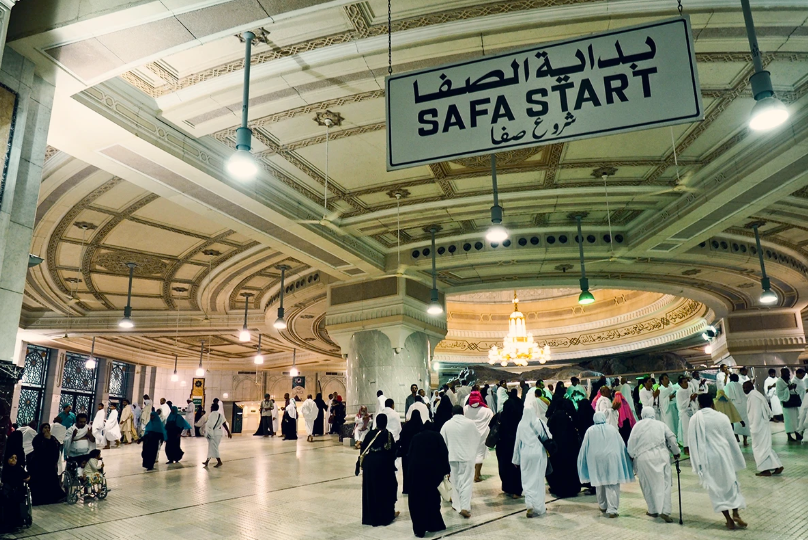
What Is Sa’i Between Safa and Marwah?
Definition of Safa and Marwah
- Safa: the starting point of Sa’i, a raised area near the Grand Mosque
- Marwah: the endpoint, located opposite Safa
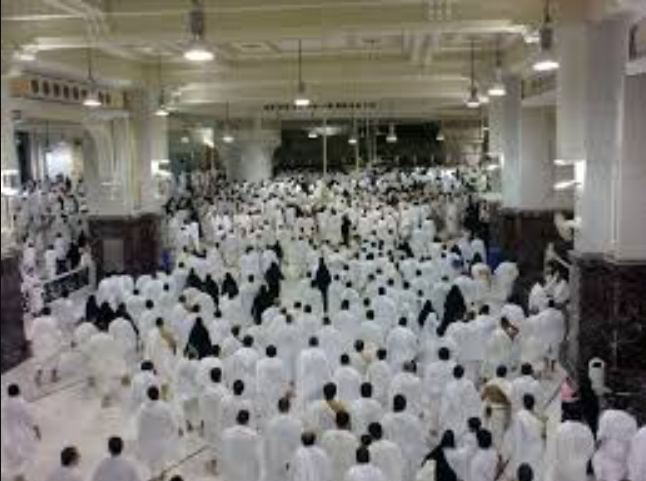
How Sa’i Is Performed
- Sa’i begins at Safa and ends at Marwah
- Going from Safa to Marwah counts as one lap
- Returning from Marwah to Safa counts as another
- Total laps required: 7
Is It Permissible to Follow the Hanafi Opinion?
A well-established Islamic principle states:
Accordingly:
- It is allowed to follow the Hanafi view in certain cases
- Especially in situations of hardship or inability to return
However, completing Sa’i remains the safest and preferred approach.
Final Conclusion
Sa’i is an essential pillar of Hajj and Umrah that cannot be omitted. Whoever skips it must return to perform it, as it cannot be compensated by sacrifice according to the majority of scholars, with specific allowances in the Hanafi school.
FAQ
Is it permissible to skip Sa’i in Hajj or Umrah?
No, Sa’i is a required pillar and the ritual is invalid without it according to most scholars.
What if I forgot to perform Sa’i?
You must return to Mecca and perform it, even if the omission was unintentional.
Can Sa’i be compensated by sacrificing an animal?
Not according to the majority, but the Hanafi school allows it in some cases.
How many laps are required for Sa’i?
Seven laps, starting at Safa and ending at Marwah.
Can I follow the Hanafi opinion?
Yes, especially in cases of hardship, based on accepted Islamic legal principles.