Is It Permissible to Perform Istikhara by Supplication Only Without Prayer? Al-Ifta Clarifies
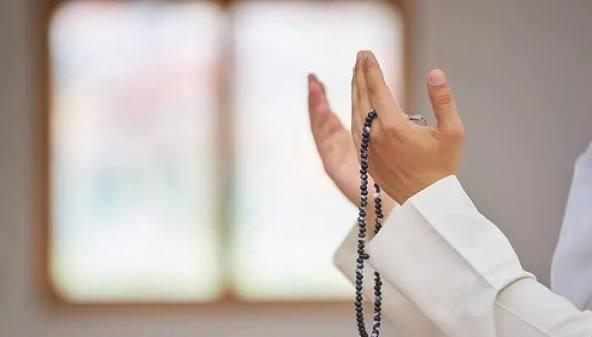
Egypt’s Dar Al-Ifta explained that the original form of Istikhara involves two units of prayer followed by supplication, but it may be performed by supplication alone for those unable to pray, such as women in menstruation or those without purification.

Egypt’s Dar Al-Ifta responded through its official website to a question: Is it permissible to perform Istikhara by supplication only for those unable to perform prayer?
The institution clarified that the basis of Istikhara is to pray two Rak‘ahs (units of prayer) followed by a supplication, but if one is unable to pray for a legitimate reason—such as a woman in menstruation, postpartum bleeding, or someone without purification or unable to perform prayer due to illness or other obstacles—then it is permissible to perform Istikhara by supplication only.
Quoting classical scholars, Dar Al-Ifta mentioned Ibn Abidin, who said: “If prayer is impossible, Istikhara may be done with supplication.” Likewise, Al-Kashnawi Al-Maliki stated: “If Istikhara by prayer is not possible, one may do it by supplication, as in the case of a menstruating woman.” And Zakariyya Al-Ansari said: “If one cannot pray, let him perform Istikhara by supplication, then proceed with what brings peace to his heart.”
Dar Al-Ifta added that it is recommended to repeat the supplication multiple times, as the Prophet ﷺ encouraged believers to make frequent supplications, which bring humility, reliance upon Allah, and spiritual focus.
The Prophet ﷺ said:
“No Muslim supplicates to Allah—without sin or severing kinship—but Allah gives him one of three: either He hastens his request, stores it for him in the Hereafter, or averts from him an equivalent evil.” The companions said, “Then we will ask more.” He replied, “Allah is greater.”* — narrated by Al-Bukhari in Al-Adab Al-Mufrad.
How to Perform the Original Istikhara
Dar Al-Ifta explained that the standard form of Istikhara is to pray two non-obligatory Rak‘ahs, followed by the Prophet’s supplication:
“O Allah, I seek Your guidance by Your knowledge and I seek strength by Your power, and I ask You of Your great bounty...” (reported by Jabir ibn Abdullah in Sahih Al-Bukhari).
Conditions for True Istikhara
The institution emphasized that Istikhara requires a sincere and neutral heart, free from prior bias, so that the choice reflects true submission to Allah’s will. After supplication, one should proceed with what brings peace and ease to the heart, as this indicates divine approval.
In conclusion, Dar Al-Ifta reaffirmed that Istikhara—whether through prayer and supplication or supplication alone—remains a beautiful act of devotion that connects the believer to Allah’s wisdom and brings clarity, serenity, and divine guidance.

Learn about authentic supplications for provision and debt relief, along with Quranic and Prophetic guidance on seeking blessings through repentance, piety, and maintaining family ties.

Learn the authentic dua for leaving home as reported from Prophet Muhammad ﷺ, including its meanings of reliance upon Allah, guidance, protection, and safety from wrongdoing.

Learn about authentic supplications for seeking provision, repaying debts, and protection from poverty, along with the deeds that bring blessings to wealth and livelihood.
Many people search for the supplication that is never rejected. Islamic teachings identify people, circumstances, and times when supplication is especially likely to be answered
