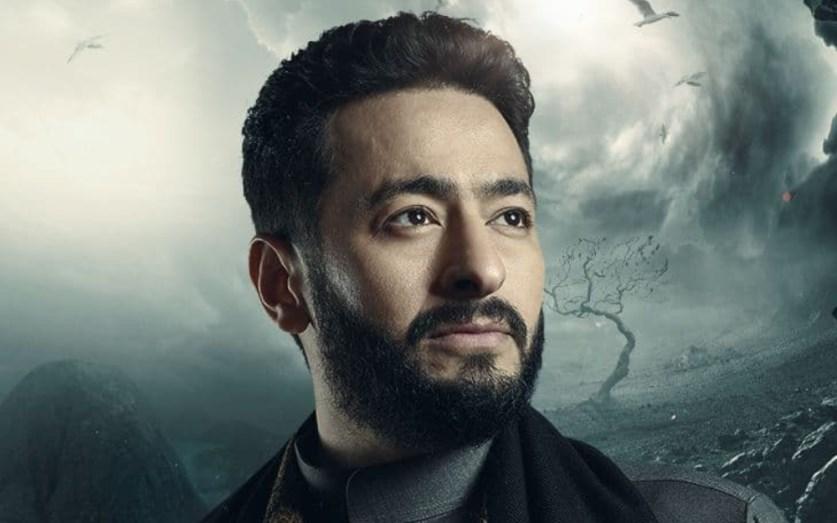

Dr. Yousry Jabr, a renowned scholar from Al-Azhar, has issued a grave warning about neglecting human rights, explaining that they are among the most serious matters a person will be held accountable for on the Day of Judgment. He emphasized that while God may forgive what lies between Him and His servant, the rights of others are not forgiven unless they are returned to their rightful owners or forgiven by them.
Prophetic Warning Against Injustice:
Dr. Jabr cited the Hadith of Prophet Muhammad ﷺ: “Whoever has wronged another should seek his forgiveness before a day when there will be no dinar or dirham.”
He explained that this Hadith reminds every believer not to sleep while carrying the burden of injustice toward anyone, for on the Day of Judgment, justice will be served — even through the exchange of good and bad deeds.
The Three Types of Human Rights:
According to Dr. Jabr, human rights fall into three main categories:
1. Financial Rights: including debts, delayed salaries, and inheritance disputes.
2. Physical Rights: such as murder or bodily harm, which require retribution, compensation, or expiation.
3. Honor and Reputation Rights: which involve backbiting, slander, and insults—whether against the living or the dead. These are particularly severe because they strip a person of their good deeds.
Online Violations and Social Media Abuse:
Dr. Jabr warned that many people today commit serious sins through social media — insulting or defaming others publicly. Such acts, he said, are violations of human rights that remain until the victim forgives or justice is done, even if the offender is devout in prayer and worship.
A Call to Return Rights Before It’s Too Late:
He urged everyone to return what they owe, seek forgiveness, or give charity on behalf of those they wronged if they cannot reach them. Admitting one’s fault and making amends, he added, is far better than standing before God burdened by the rights of others.
He concluded, “Acknowledging mistakes and restoring rights is the path to salvation. God’s justice never overlooks a single wrong.”