Is It Permissible to Fast on Friday Alone in Rajab? Dar Al-Ifta Answers
Dar Al-Ifta explained the ruling on fasting Friday alone in Rajab or other months, highlighting differences among scholars between dislike and permissibility according to Islamic traditions.
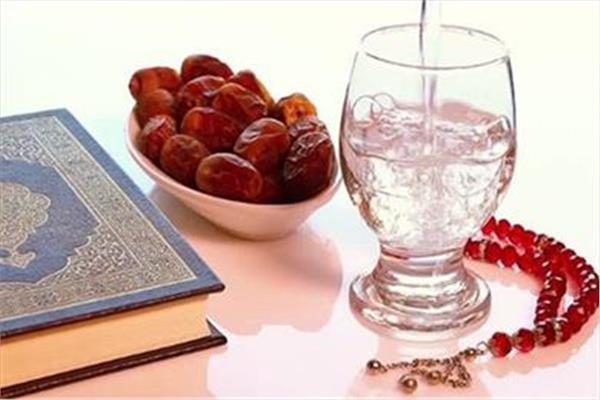

Dar Al-Ifta confirmed that fasting Friday alone is generally disliked according to Hanafi, Shafi’i, and Hanbali scholars, except in specific cases such as habitual fasting or if it coincides with a voluntary fast like Ashura.
References in Islamic jurisprudence, including "Maraqī al-Falāh," "Hashiyat al-Durr al-Mukhtar," "Al-Majmu’," and "Al-Mughni," state that the prohibition of fasting Friday alone does not apply to habitual fasters or those observing special voluntary fasts. Maliki scholars, however, permit fasting Friday independently as mentioned in "Al-Mukhtasar al-Fiqhi."
The ruling is based on the Sunnah, as the Prophet Muhammad (peace be upon him) forbade fasting Friday alone unless it coincides with a fast on a day before or after, noting that habitual or voluntary fasts are exceptions.
Regarding the month of Rajab, Dar Al-Ifta clarified it is one of the sacred months where fighting is prohibited, and violations of sacred limits are more severe. Rajab does not hold special acts of worship or merits beyond its status as a sacred month, and innovations in worship during this month were not practiced during the Prophet’s era or the era of the rightly-guided caliphs
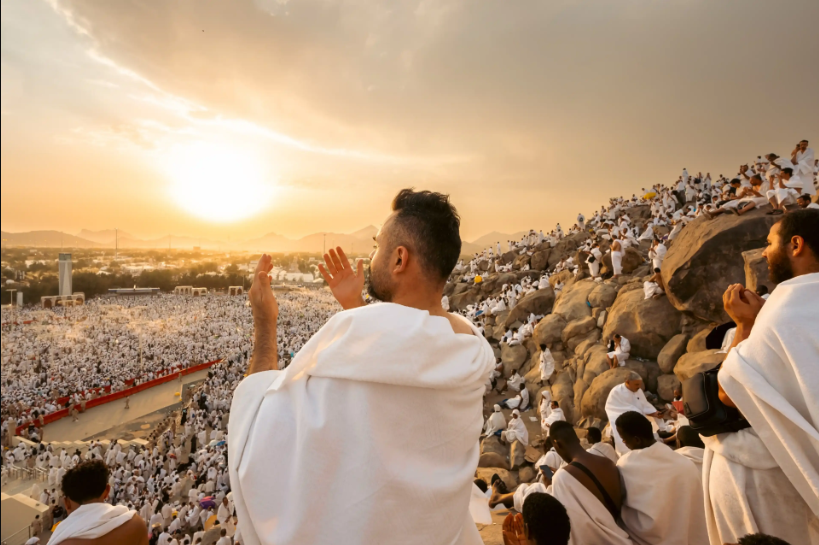
Learn the best deeds on the Day of Arafah for pilgrims and non-pilgrims, including fasting, prayers, and powerful forgiveness duas on this blessed day
Learn the so-called “miracle prayer for children” and beautiful supplications for protecting kids, guiding them, and asking Allah for safety, righteousness, and blessings.
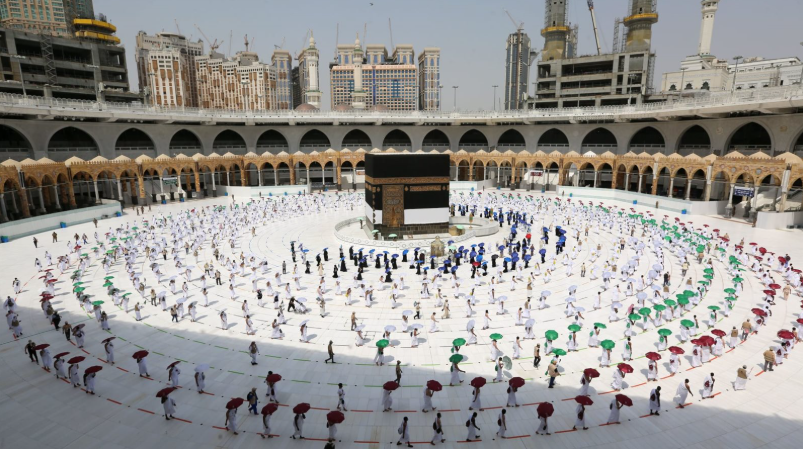
Learn the ruling on interrupting Tawaf for obligatory prayer and how to resume it afterward according to Dar Al-Ifta Egypt and Islamic jurisprudence.
A collection of authentic supplications for relief from distress, easing sadness, and calming the heart, along with spiritual tips for inner peace.
