Is Microblading Haram? Egypt’s Fatwa Authority Clarifies Islamic Ruling
Egypt’s Dar Al-Iftaa clarifies that microblading for eyebrows is permissible in Islam as long as no blood is drawn and no harm or deception is involved.
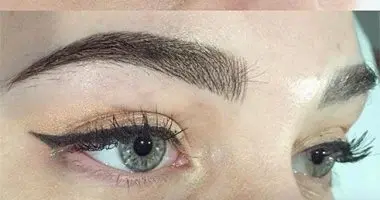

Dr. Mahmoud Shalaby, Secretary of Fatwa at Egypt’s Dar Al-Iftaa, addressed the ongoing question about the Islamic ruling on microblading, a modern cosmetic technique widely used for enhancing thin or sparse eyebrows.
In a televised statement, Dr. Shalaby explained that microblading involves superficial application of pigments into the upper layer of the skin using a fine blade or needle, without reaching deep layers or causing bleeding. It is meant to give a fuller, natural appearance to the eyebrows.
He noted that scholars based their opinion on the findings of medical specialists who confirmed that microblading does not resemble tattooing, which is prohibited in Islam, because it does not involve permanent alteration of the skin and typically fades within about six months.
According to Dar Al-Iftaa, microblading is permissible under two main conditions:
No blood is drawn or bodily harm caused during the procedure.
It is not done with the intent of deception or excessive alteration of appearance.
However, Dr. Shalaby clarified that if blood is drawn and mixes with the pigment, the procedure would then fall under the ruling of tattooing, which is forbidden in Islam as it permanently changes the creation of Allah.
He emphasized that Islam encourages cleanliness and beauty within reasonable limits, quoting the Prophet ﷺ: “Allah is Beautiful and loves beauty.” Thus, permissible beautification aims to enhance natural appearance without excess or harm.
Dr. Shalaby concluded that religious rulings must always rely on scientific and medical facts, not appearances, distinguishing between temporary cosmetic enhancements and permanent alterations such as tattoos.
Learn the best deeds on the Day of Arafah for pilgrims and non-pilgrims, including fasting, prayers, and powerful forgiveness duas on this blessed day

Learn the so-called “miracle prayer for children” and beautiful supplications for protecting kids, guiding them, and asking Allah for safety, righteousness, and blessings.
Learn the ruling on interrupting Tawaf for obligatory prayer and how to resume it afterward according to Dar Al-Ifta Egypt and Islamic jurisprudence.
A collection of authentic supplications for relief from distress, easing sadness, and calming the heart, along with spiritual tips for inner peace.
