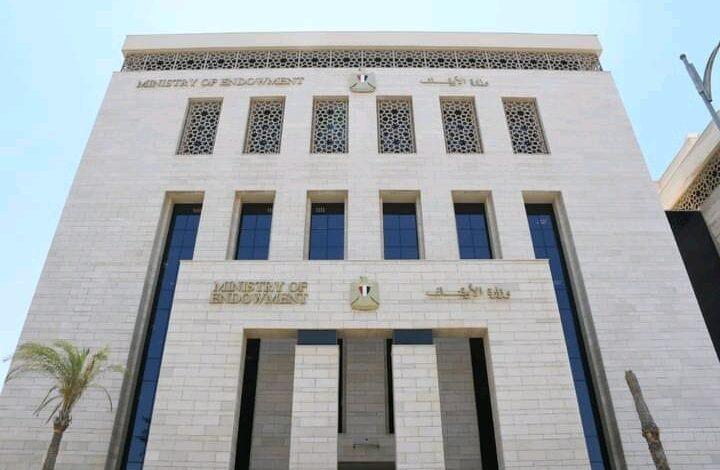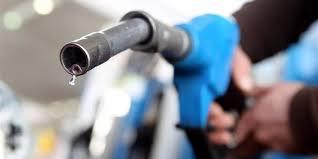

The Egyptian Dar Al-Ifta responded to a question from a gas station worker who asked whether his prayer and ablution are valid when his clothes or hands are stained with petrol or diesel. The fatwa clarified that both petrol and diesel are pure and not impure, meaning they do not invalidate ablution or prevent prayer.
Dar Al-Ifta stated that petroleum-based substances are inherently pure according to Islamic law, as there is no evidence in Sharia indicating their impurity. Whether their origin is organic or inorganic, these materials remain clean and permissible for use.
The fatwa further explained that it is recommended, not obligatory, for Muslims to wear their cleanest clothes when praying, citing Allah’s words:
“O children of Adam! Take your adornment at every masjid.” [Al-A’raf: 31]
This is part of the etiquette and perfection of worship, not a requirement for its validity. Hence, anyone who prays in clothes that have fuel stains has a valid prayer and no sin upon him.
Dar Al-Ifta also affirmed that fuel residues on the body do not form a barrier that prevents water from reaching the skin during ablution or bathing, since these substances are not solid layers but liquid traces that allow water to pass through.
In conclusion, the fatwa emphasized that Allah loves those who purify and adorn themselves in prayer, but even with traces of petrol or diesel, the worship remains valid as long as cleanliness and ritual purity are maintained.