Key Islamic Rulings in Egypt on Mortgage Financing, Water Charity and Prayer
Egypt’s Dar Al-Ifta has addressed several questions concerning Islamic rulings, including declining-rate mortgage financing, providing drinking water as charity, women exposing their feet during prayer, and reciting Al-Fatihah behind the imam


Egypt’s Dar Al-Ifta and other religious authorities have recently addressed several questions related to daily life, financial transactions, charitable acts and Islamic worship.
Among the most discussed issues are the ruling on buying an apartment through mortgage financing with a declining interest rate, the virtue of providing drinking water, whether a woman’s exposed feet invalidate prayer, and whether a person praying behind an imam must recite Surah Al-Fatihah during silent prayers.
Is Buying an Apartment Through Declining-Rate Mortgage Financing Permissible?
According to the cited ruling from Egypt’s Dar Al-Ifta, purchasing an apartment through a mortgage financing arrangement based on a declining interest rate is permissible under the circumstances described in the question, provided that the value of the property, installments and repayment period are clearly established.
A declining-rate system calculates the financing charge based on the remaining balance after installments are paid. As the outstanding balance decreases, the amount of the charge also decreases.
Dar Al-Ifta explained that modern financing arrangements can take different contractual forms and that newly developed contracts may be permissible as long as they do not involve prohibited elements, excessive uncertainty or harm, and clearly serve the interests of the parties involved.
Can the Buyer Be Prevented From Selling the Apartment Before Full Payment?
The cited ruling also states that a condition preventing the buyer from selling or transferring the apartment until the full price has been paid does not, by itself, invalidate the transaction.
This condition has been discussed in Islamic jurisprudence in connection with deferred sales, where the seller may retain certain contractual protections until the outstanding price has been paid.
Why Is Providing Drinking Water Considered One of the Best Charitable Acts?
Providing water to people in need is regarded as an important form of charity, particularly during periods of extreme heat when people are more likely to suffer from thirst.
A well-known prophetic narration reports that when Sa'd ibn 'Ubadah asked the Prophet Muhammad ﷺ about the best form of charity, he was told: “Providing water.”
Providing drinking water can therefore take several forms, including placing a public water cooler in a location where passersby can benefit from it.
Is Installing a Public Water Cooler Considered Ongoing Charity?
Providing a water cooler for public use is considered a charitable act because it provides a continuing benefit to people who drink from it.
Other forms of charitable assistance during hot weather can include providing cooling facilities, shading waiting areas and making drinking water available in crowded public places.
Does Exposing a Woman’s Feet Invalidate Her Prayer?
Egypt’s Dar Al-Ifta has explained that the issue of whether a woman must cover her feet during prayer is a matter on which Muslim jurists have held different opinions.
Some scholars have maintained that the feet should be covered during prayer, while others have permitted them to remain uncovered based on their interpretation of the required covering for women during prayer.
According to the cited Dar Al-Ifta position, a woman may uncover her feet when covering them causes hardship or difficulty.
Therefore, under this ruling, a woman who performs prayer with her feet uncovered in such circumstances does not have to repeat the prayer.
Must a Person Praying Behind an Imam Recite Al-Fatihah During Silent Prayers?
Another question addressed by Dar Al-Ifta concerns whether a person praying behind an imam should recite Surah Al-Fatihah during prayers in which the imam recites silently.
These include the noon and afternoon prayers, the third rak'ah of Maghrib, and the third and fourth rak'ahs of Isha.
According to the cited ruling, a person who is able to recite Al-Fatihah should do so in these situations if there is no valid excuse preventing them from reading it.
What If Reciting Al-Fatihah Causes Severe Difficulty?
If a worshipper is unable to recite Al-Fatihah or suffers significant physical difficulty and exhaustion when speaking, the cited ruling allows that person to rely on the imam’s recitation.
In such a case, the prayer remains valid, and the person is not considered sinful for refraining from reciting Al-Fatihah because of the significant hardship involved.
Different Scholarly Opinions on Reciting Al-Fatihah Behind the Imam
Islamic jurists have held different opinions regarding the recitation of Al-Fatihah by a person praying behind an imam.
Among these opinions is the Hanafi position that the imam’s recitation can suffice for the person praying behind him, with further details concerning the circumstances in which recitation is performed.
Such differences reflect the diversity of Islamic jurisprudence in certain matters of worship. People facing specific circumstances or difficulties may therefore seek guidance from qualified scholars or official religious institutions.
Summary of the Main Rulings
The rulings discussed above address several practical issues concerning Muslims’ daily lives:
- Declining-rate mortgage financing: According to the cited Dar Al-Ifta ruling, it is permissible under the conditions described in the question.
- Providing drinking water: It is considered an important charitable act, particularly when people are suffering from heat and thirst.
- Installing a public water cooler: It is a permissible charitable act that provides ongoing benefit to the public.
- A woman exposing her feet during prayer: According to the cited ruling, this is permissible when covering them causes hardship, and the prayer remains valid.
- Reciting Al-Fatihah behind the imam: A person who is able to recite it should do so during silent prayers according to the cited ruling, while a person facing severe difficulty or inability may rely on the imam’s recitation.
Is declining-rate mortgage financing permissible in Islam?
According to the cited Egyptian Dar Al-Ifta ruling, it is permissible under the specific contractual conditions described in the question, provided the financing terms are clear and free from prohibited elements.
Is providing water considered ongoing charity?
Providing water is a charitable act that continues to benefit people as long as they make use of the water facility.
Does exposing a woman’s feet invalidate her prayer?
According to the cited ruling, exposing the feet does not invalidate the prayer when covering them causes hardship or difficulty.
Must the person praying behind an imam recite Al-Fatihah?
According to the cited ruling, a person who is able to recite it should do so during silent prayers, while someone who faces severe difficulty or inability may rely on the imam’s recitation.

Uthman ibn Affan was one of the ten companions promised Paradise, the third Rightly Guided Caliph, and the companion known as Dhul-Nurayn. He played a major role in preserving the Quran and transmitting Prophetic teachings.

What did the Prophet Muhammad ﷺ say about the day of his birth? Learn about Monday fasting, the ruling on Mawlid, and recommended prayers and supplications.
Many Muslims ask which dua is answered quickly. The Dua of Yunus is among the well-known supplications for relief from distress, alongside sincere prayer and seeking the best times for supplication
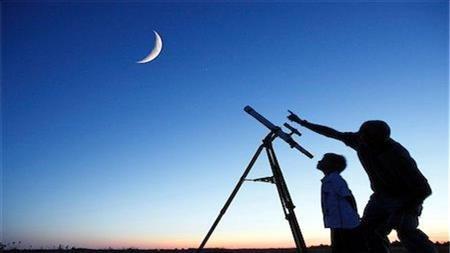
Egypt’s Dar al-Ifta will observe the crescent of Rabi al-Awwal 1448 AH on Wednesday, August 12, while astronomical calculations indicate that the month will begin on Friday, August 14, 2026
