Uthman ibn Affan: Dhul-Nurayn and the Third Caliph
Uthman ibn Affan was one of the ten companions promised Paradise, the third Rightly Guided Caliph, and the companion known as Dhul-Nurayn. He played a major role in preserving the Quran and transmitting Prophetic teachings.
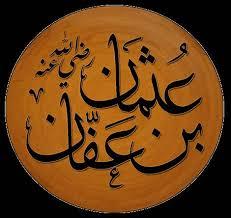

Who was Uthman ibn Affan? He was one of the closest companions of Prophet Muhammad ﷺ, the third of the Rightly Guided Caliphs, and one of the ten companions promised Paradise.
He was known as Dhul-Nurayn, meaning “the Possessor of Two Lights,” because he married two daughters of the Prophet ﷺ, Ruqayyah and later Umm Kulthum, may Allah be pleased with them.
He was also known for his modesty, generosity, worship, charity, and dedication to the Muslim community.
Who Was Uthman ibn Affan?
Uthman ibn Affan ibn Abi al-As al-Qurashi al-Umayyad was one of the earliest Muslims and one of the most prominent companions of the Prophet ﷺ.
He combined knowledge with action, worship with generosity, and devotion with service to Islam.
He was among the ten companions whom the Prophet ﷺ gave the glad tidings of Paradise.
Why Was Uthman Called Dhul-Nurayn?
Uthman was given the title Dhul-Nurayn, or “Possessor of the Two Lights,” because he married two daughters of Prophet Muhammad ﷺ.
He first married Ruqayyah, may Allah be pleased with her. After her death, the Prophet ﷺ married his daughter Umm Kulthum to Uthman.
This unique connection to the Prophet’s family is regarded as one of Uthman’s most notable virtues.
Uthman’s Migration to Abyssinia and Medina
Uthman was among the early Muslims who migrated for the sake of their faith.
He migrated to Abyssinia with his wife Ruqayyah and later migrated to Medina, joining the Muslim community established there.
His migrations reflected his willingness to endure hardship for the sake of Islam and his commitment to the Prophet ﷺ.
Uthman and the Battle of Badr
Uthman did not take part in the fighting at the Battle of Badr because the Prophet ﷺ instructed him to remain in Medina and care for his wife Ruqayyah, who was ill.
The Prophet ﷺ granted him the reward and share associated with the people of Badr, recognizing the reason for his absence.
Uthman’s Role in Preserving the Quran
One of Uthman’s greatest contributions to Islam was his role in bringing Muslims together around a standardized written Quran.
As Islam spread across different regions, differences in recitation became increasingly noticeable.
Uthman ordered the preparation and distribution of standardized copies of the Quran to various Muslim territories. This helped preserve unity among Muslims and prevent disputes over the recitation and written form of the Quran.
This achievement remains one of the most significant legacies associated with his caliphate.
Uthman’s Contribution to Prophetic Hadith
Uthman lived closely alongside Prophet Muhammad ﷺ and learned a considerable amount of knowledge from him.
He transmitted what he learned to later generations, and a number of companions and successors narrated from him, including Anas ibn Malik, Abu Umamah ibn Sahl, Al-Ahnaf ibn Qays, Sa'id ibn al-Musayyib, Abu Wa'il, Tariq ibn Shihab, Abu Abd al-Rahman al-Sulami, and Alqamah ibn Qays.
Among the well-known narrations attributed to Uthman is the saying of the Prophet ﷺ:
“The best of you are those who learn the Quran and teach it.”
This narration became particularly influential in encouraging the teaching and learning of the Quran.
Uthman and the Practical Teaching of Sunnah
Uthman’s approach to religious knowledge was not limited to narration. He also demonstrated the Sunnah through practical examples.
Among the best-known examples are his demonstrations of the Prophet’s method of performing ablution.
He would perform ablution before people and explain what he had learned from the Prophet ﷺ regarding purification and prayer.
Such examples illustrate his commitment to preserving Prophetic guidance and passing it on through both words and practice.
Uthman’s Worship and Generosity
Uthman was known for his devotion, frequent fasting, night prayer, generosity, and charity.
He was also deeply conscious of the Hereafter. Reports about his life describe his intense emotional response when remembering death and the grave.
His character reflected a combination of modesty, worship, generosity, and fear of Allah.
The Caliphate of Uthman ibn Affan
Uthman became the third Rightly Guided Caliph after Umar ibn al-Khattab.
His caliphate lasted approximately twelve years and witnessed significant expansion of the Muslim state.
His era also included major administrative developments and, most importantly, the standardization and distribution of Quranic manuscripts to different regions.
The Death of Uthman ibn Affan
The final years of Uthman’s caliphate were marked by political unrest and turmoil.
A group of rebels surrounded his home and demanded that he give up the caliphate. Uthman refused to become a cause of further bloodshed among Muslims and remained patient during the siege.
He was eventually killed in his home on Friday, 18 Dhu al-Hijjah, 35 AH, while the Quran was reportedly in front of him.
His death marked one of the most painful moments in the history of the early Muslim community.
Uthman’s Legacy in Islam
Uthman ibn Affan remains one of the most prominent figures in Islamic history.
His legacy combines the honor of companionship with Prophet Muhammad ﷺ, the glad tidings of Paradise, marriage to two of the Prophet’s daughters, leadership of the Muslim community, and major contributions to the preservation of the Quran and transmission of Prophetic knowledge.
His life remains a powerful example of modesty, patience, generosity, worship, and service to Islam.
Who was Uthman ibn Affan?
Uthman ibn Affan was a prominent companion of Prophet Muhammad ﷺ and the third Rightly Guided Caliph.
Why was Uthman called Dhul-Nurayn?
He was called Dhul-Nurayn because he married two daughters of Prophet Muhammad ﷺ, Ruqayyah and Umm Kulthum.
What was Uthman’s most important contribution?
One of his most significant contributions was standardizing and distributing copies of the Quran to different regions of the Muslim world.
Did Uthman participate in the Battle of Badr?
He did not participate in the battle because the Prophet ﷺ instructed him to remain in Medina and care for his ill wife Ruqayyah.
When did Uthman ibn Affan die?
Uthman was killed on Friday, 18 Dhu al-Hijjah, 35 AH, after his home was besieged.
An explanation of the Quranic verse about Al-Mann and Al-Salwa, the blessings Allah granted the Children of Israel, and the lesson behind their failure to appreciate these blessings.
Was the caliphate of Ali ibn Abi Talib part of Allah’s divine will? Learn about the difference between divine decree and religious will and the Sunni view of Ali’s caliphate.
Egypt’s Dar Al-Ifta has addressed several questions concerning Islamic rulings, including declining-rate mortgage financing, providing drinking water as charity, women exposing their feet during prayer, and reciting Al-Fatihah behind the imam

What did the Prophet Muhammad ﷺ say about the day of his birth? Learn about Monday fasting, the ruling on Mawlid, and recommended prayers and supplications.
