The Divine Names: A Journey Through the Meanings That Lead to Paradise
Interest continues to grow among believers in exploring the Beautiful Names of Allah, seeing them as a path to deeper faith and a gateway to heartfelt supplication.
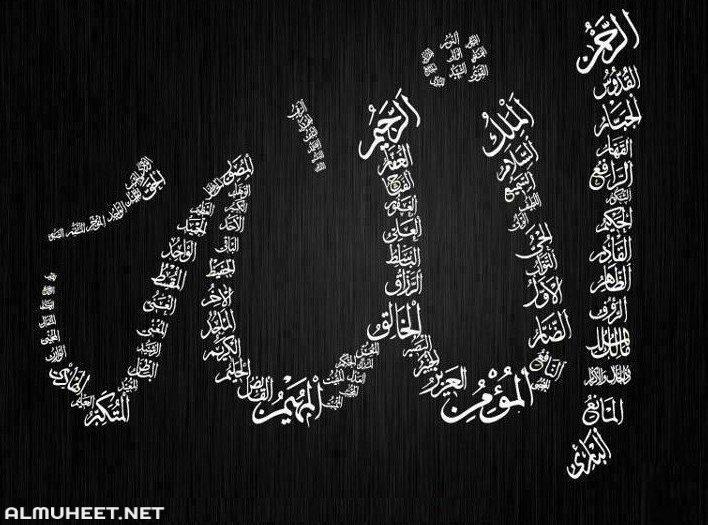

Many people are increasingly interested in learning the written Beautiful Names of Allah, the names by which Allah has described Himself in the Qur’an and which are mentioned in the Sunnah of the Prophet ﷺ. Learning them increases a believer’s knowledge, faith, and humility. Allah says:
"To Allah belong the most beautiful names, so invoke Him by them; and leave those who abuse His names; they will be recompensed for what they used."
This encourages believers to memorize, understand, and reflect upon these names as a means of drawing closer to Allah Almighty.
Many seek the list of the names and their meanings, wishing to recite them, teach them to children, and contemplate the attributes of majesty and beauty they indicate. Knowledge of Allah strengthens the believer’s heart with tranquility and their soul with certainty.
The Beautiful Names of Allah Written
Throughout history, Muslims have been keen to memorize the Beautiful Names of Allah due to their profound meanings that define the Lord and open the door to faith. The Prophet ﷺ said:
"Indeed, Allah has ninety-nine names, one hundred minus one; whoever enumerates them will enter Paradise."
Here are the full Beautiful Names of Allah written:
Allah
Ar-Rahman (The Most Merciful)
Ar-Raheem (The Most Compassionate)
Al-Malik (The King)
Al-Quddus (The Most Holy)
As-Salam (The Source of Peace)
Al-Mu’min (The Guardian of Faith)
Al-Muhaymin (The Protector)
Al-Aziz (The Mighty)
Al-Jabbar (The Compeller)
Al-Mutakabbir (The Supreme)
Al-Khaliq (The Creator)
Al-Bari’ (The Evolver)
Al-Musawwir (The Fashioner)
Al-Ghaffar (The Forgiving)
Al-Qahhar (The Subduer)
Al-Wahhab (The Bestower)
Ar-Razzaq (The Provider)
Al-Fattah (The Opener)
Al-‘Alim (The All-Knowing)
Al-Qabid (The Withholder)
Al-Basit (The Extender)
Al-Khafid (The Abaser)
Ar-Rafi’ (The Exalter)
Al-Mu’izz (The Honorer)
Al-Mudhill (The Humiliator)
As-Sami’ (The All-Hearing)
Al-Latif (The Subtle One)
Al-Khabir (The All-Aware)
Al-Halim (The Forbearing)
Al-Azeem (The Magnificent)
Al-Ghafur (The Forgiving)
Ash-Shakur (The Appreciative)
Al-‘Ali (The Most High)
Al-Kabir (The Great)
Al-Hafiz (The Preserver)
Al-Muqit (The Sustainer)
Al-Hasib (The Reckoner)
Al-Jalil (The Majestic)
Al-Karim (The Generous)
Ar-Raqib (The Watchful)
Al-Mujib (The Responsive)
Al-Wasi’ (The All-Encompassing)
Al-Hakim (The Wise)
Al-Wadud (The Loving)
Al-Majid (The Most Glorious)
Al-Ba’ith (The Resurrector)
Ash-Shahid (The Witness)
Al-Haqq (The Truth)
Al-Wakil (The Trustee)
Al-Qawi (The Strong)
Al-Matin (The Firm)
Al-Wali (The Protecting Friend)
Al-Hamid (The Praiseworthy)
Al-Muhsi (The Accounter)
Al-Mubdi’ (The Originator)
Al-Mu’id (The Restorer)
Al-Muhyi (The Giver of Life)
Al-Mumit (The Taker of Life)
Al-Hayy (The Ever-Living)
Al-Qayyum (The Sustainer)
Al-Wahid (The One)
Al-Majid (The Most Glorious)
As-Samad (The Eternal, Satisfier of Needs)
Al-Qadir (The All-Powerful)
Al-Muqtadir (The Omnipotent)
Al-Muqaddim (The Expediter)
Al-Mu’akhkhir (The Delayer)
Al-Awwal (The First)
Al-Akhir (The Last)
Az-Zahir (The Manifest)
Al-Batin (The Hidden)
Al-Wali (The Governor)
Al-Muta’ali (The Most Exalted)
Al-Barr (The Source of All Goodness)
At-Tawwab (The Accepter of Repentance)
Al-Muntaqim (The Avenger)
Al-‘Afuww (The Pardoner)
Ar-Ra’uf (The Compassionate)
Al-Muqsit (The Equitable)
Al-Jami’ (The Gatherer)
Al-Ghani (The Self-Sufficient)
Al-Mughni (The Enricher)
Al-Mani’ (The Preventer)
Ad-Darr (The Harmer)
An-Nafi’ (The Benefactor)
An-Nur (The Light)
Al-Hadi (The Guide)
Al-Badi’ (The Incomparable)
Al-Baqi (The Everlasting)
Al-Warith (The Inheritor)
Ar-Rashid (The Guide to the Right Path)
As-Sabur (The Patient)
Malik-ul-Mulk (The Owner of All Sovereignty)
Dhul-Jalali wal-Ikram (The Lord of Majesty and Bounty)
Meaning of the Verse: “To Allah belong the most beautiful names, so invoke Him by them”
This verse indicates that all of Allah’s names are beautiful in meaning and complete in significance. Believers should use these names as a means of prayer and drawing closer to Allah, asking Him by His mercy, seeking His strength, seeking forgiveness, and turning to Him with His kindness and generosity.
Praying with the Beautiful Names of Allah is one of the greatest means for answered prayers and one of the gentlest and most heartfelt forms of worship.

Learn the supplication for fulfilling needs, including prophetic duas, the prayer of need, and key conditions for answered prayers like sincerity, certainty, and timing.
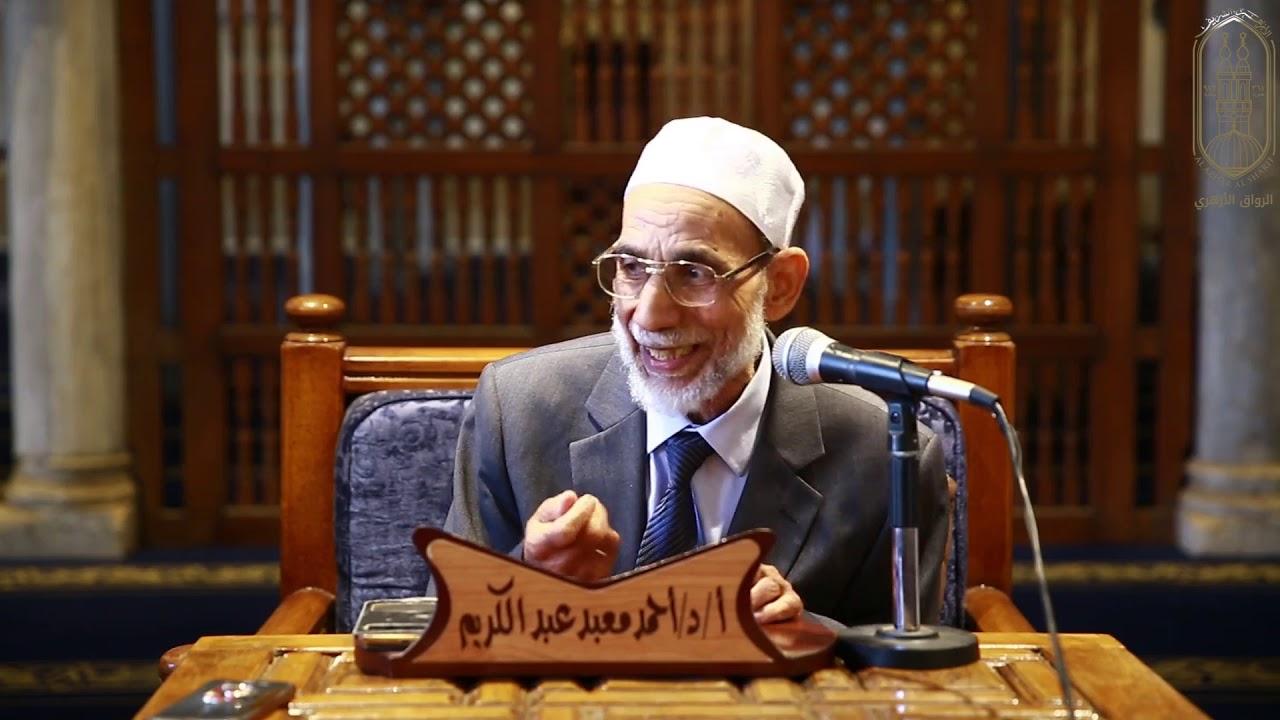
A statement confirms that Dr. Ahmed Maabed Abdel Karim, member of Al-Azhar’s Council of Senior Scholars, is in good health and currently resting under medical advice.

Dar Al-Ifta explains that installment sales with a known price increase are permissible and differ from riba due to the presence of goods and a fixed agreed price
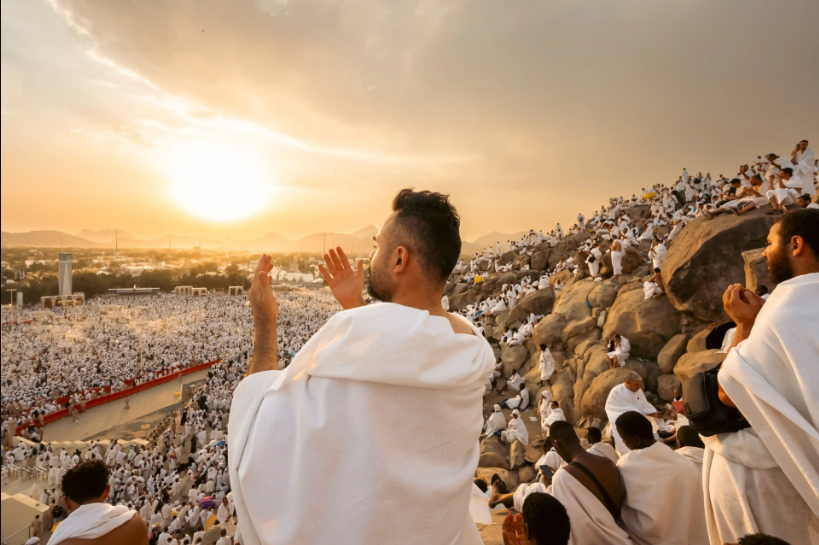
Learn about the Days of Tashreeq in Dhul-Hijjah, their Islamic rulings, pilgrim rituals like stoning the Jamarat, and the prohibition of fasting during them.
