Is It Permissible to Wipe Over Socks During Wudu All Day? Sharia Guidelines Explained
Learn the ruling on wiping over socks in wudu throughout the day, the valid conditions, duration, and common mistakes that may invalidate purification and prayer.
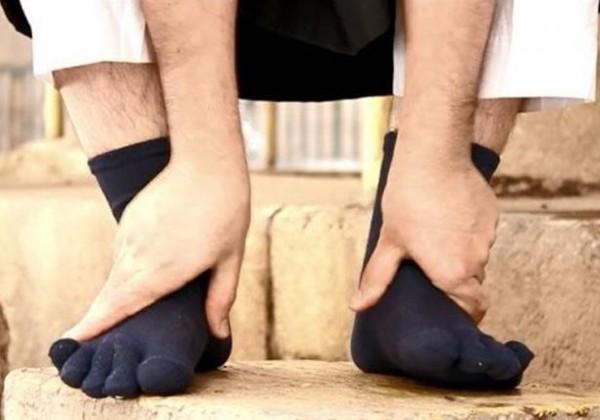

In the realm of purification that illuminates both body and soul, a common question arises among Muslims about the permissibility of wiping over socks during ablution throughout the day, especially with the repetition of the five daily prayers and the ease brought by Islamic law.
Ruling on Wiping Over Socks in Wudu
Islamic law permits wiping over socks instead of washing the feet, provided that certain conditions are met. The socks must cover the required area of the foot and be thick enough, not transparent, so that the obligation of purification is fulfilled properly.
Duration of Wiping Over Socks
As a mercy from Allah, the period allowed for wiping over socks for a resident is twenty-four hours, starting from the first invalidation of wudu after wearing them in a state of purification. During this time, a person may wipe instead of removing the socks for each prayer.
A Facilitation, Not Negligence
This ruling is a legitimate concession meant to ease hardship, not to encourage carelessness. It remains bound by clear prophetic conditions that ensure proper purification.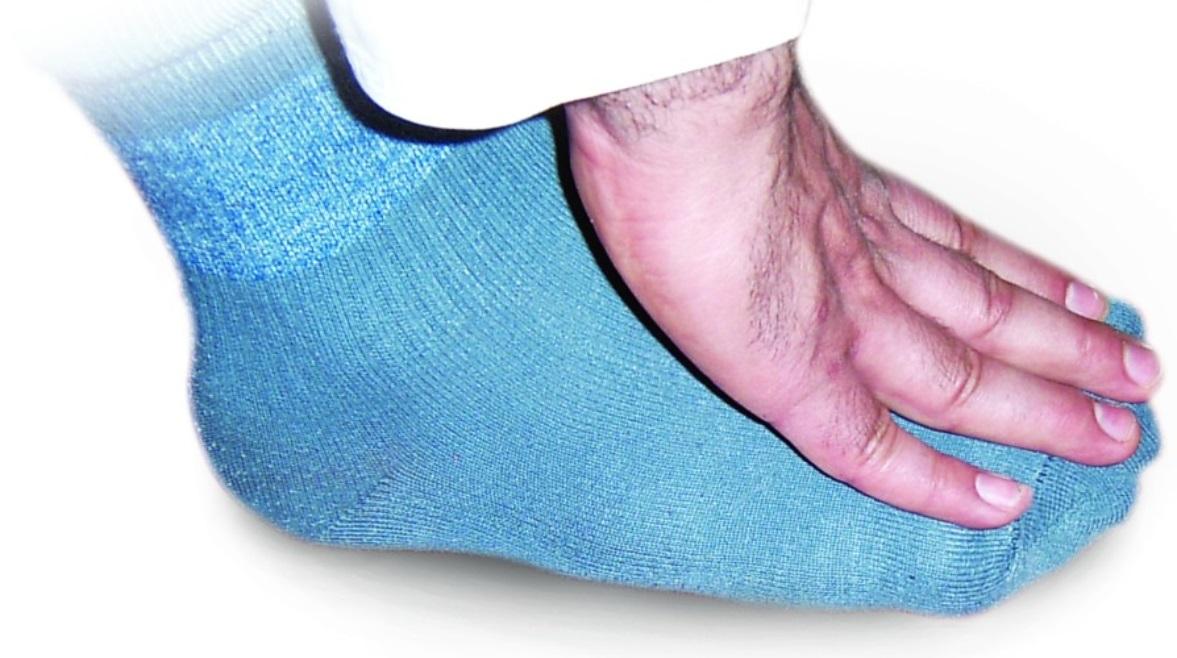
Conditions for Valid Wiping Over Socks
1- Wearing Socks in a State of Purification
The socks must be worn after completing a full and valid wudu for the concession to apply.
2- Covering the Required Area
The socks must fully cover the feet up to the ankles and not be thin or transparent.
3- Not Removing the Socks During the Valid Period
If the socks are removed during the wiping period, the concession is invalidated and full wudu becomes necessary again.
A Common Mistake That Invalidates Wiping
A frequent mistake is wearing socks before completing full wudu, such as putting on one sock before finishing washing both feet. This violates the essential condition of complete purification before wearing them.
The correct method is to complete wudu entirely, then wear the socks in a state of full purity so that wiping over them becomes valid afterward.
Between External Purity and Inner Presence
Ablution is not merely washing limbs; it is a gateway to inner serenity, preparing the believer to stand before Allah with humility and awareness, where purification extends from the body to the heart.
The Effect of Prayer on Behavior and the Soul
Prayer is not just physical movements; it is a living connection that revives the heart. The Qur’an states that prayer restrains from immorality and wrongdoing, yet its true impact depends on the presence of the heart and mindfulness of Allah during worship.
The more present the heart is, the greater the transformation in behavior; and when mindfulness is absent, the effect weakens.
Conclusion
Wiping over socks is a valid and merciful concession in Islamic law with clear conditions and a limited duration. It reflects the balance between ease and discipline in worship, while true spiritual completeness lies in correct purification and sincere presence before Allah.
Frequently Asked Questions
Is it permissible to wipe over socks all day?
Yes, it is allowed for up to 24 hours for a resident, provided all conditions are met.
When does the wiping period begin?
It begins from the first event that nullifies wudu after wearing the socks in a state of purity.
Can thin socks be wiped over?
No, wiping is not valid over thin or transparent socks that do not properly cover the feet.
Does removing the socks invalidate wiping?
Yes, removing the socks cancels the concession, and full wudu is required again.

Learn about the authentic evening adhkar from the Sunnah, their virtues, recommended repetitions, and how they bring protection, peace, and blessings.

Ruqyah Shar’iyyah is one of the Islamic methods of seeking healing and protection through Quranic verses and prophetic supplications. Learn its correct method, verses, and duas.

Learn the dates of the White Days of Safar, the virtues of fasting them, why they are called the White Days, and the Islamic teachings regarding this recommended Sunnah.

Discover the complete story of Prophet David (Dawood) in Islam, including how he became both a king and a prophet, his miracles, his devotion to worship, and his remarkable life according to the Quran and authentic Sunnah.
