Ihram Prohibitions for Men and Women and the Difference Between Minor and Major Tahallul
With the approaching Hajj season 2026-1447, Muslims are increasingly seeking to understand the prohibitions of ihram, which are essential rulings that regulate the correct performance of Hajj and Umrah rituals after entering the state of ihram.
What are the Prohibitions of Ihram?
Ihram prohibitions refer to actions that become forbidden once a person intends to enter the state of ihram for Hajj or Umrah, and they remain prohibited until the pilgrim exits the state of ihram through tahallul.
Common Prohibitions for Men and Women
These include shaving hair, cutting nails, using perfume, hunting, marriage contracts, sexual relations, and physical intimacy, all of which must be avoided during ihram.
Ihram Prohibitions for Men
Men are prohibited from wearing stitched clothing that fits the body, such as shirts or socks, and from covering the head or wearing shoes that cover the ankles during ihram.
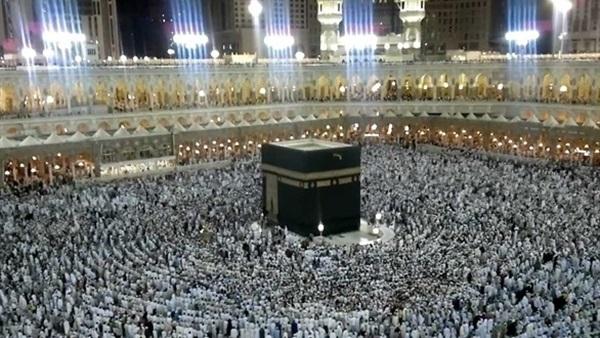
Ruling on Violating Prohibitions
If a pilgrim violates one of the ihram prohibitions before the first tahallul, they must offer a sacrifice, feed six needy people, or fast three days, while their Hajj or Umrah remains valid.
Ihram Prohibitions for Women
Women are prohibited from wearing face coverings that touch the face such as the niqab, and from wearing gloves, while they may wear their normal modest clothing.
Shared Prohibitions
Both men and women must avoid perfume, removing hair, cutting nails, hunting, and marital relations, in addition to avoiding disputes and sinful speech during Hajj.
Expiation for Violating Ihram Prohibitions
If a pilgrim deliberately commits a violation, expiation is required in the form of sacrifice, feeding, or fasting, while forgetfulness or ignorance does not require expiation according to Dar Al-Ifta.
Wearing a Face Mask During Ihram
Dar Al-Ifta permits wearing a face mask during ihram for both men and women, as it does not constitute full face covering in the legal sense.

Difference Between Minor and Major Tahallul
Minor tahallul occurs after performing two of three acts: stoning the Jamarat al-Aqaba, shaving or trimming hair, and performing Tawaf al-Ifadah with Sa’i. It allows most restrictions to be lifted except marital relations.
Major Tahallul
Major tahallul is achieved after completing all three acts, allowing the pilgrim to fully return to normal life after completing all Hajj rituals.
What are the prohibitions of ihram?
They are actions forbidden after entering ihram until the pilgrim completes Hajj or Umrah.
Are ihram prohibitions different for men and women?
Yes, such as stitched clothing for men and face covering for women, along with shared restrictions.
What is the expiation for violating ihram rules?
Sacrifice, feeding six poor people, or fasting three days.
What is the difference between minor and major tahallul?
Minor allows partial release from restrictions, while major allows full return to normal life.
Is wearing a mask allowed during ihram?
Yes, it is permitted as it is not considered full face covering.