Missed Takbirs in Funeral Prayer? Scholars Explain How to Complete the Prayer
A clear Islamic ruling explaining what to do if someone joins the funeral prayer after some takbirs have already been performed.

In moments of farewell, when a funeral prayer is already in progress, some may arrive late and wonder how to properly complete what they have missed.
Islamic scholars clarify that if a person joins the funeral prayer after some takbirs have already been said, they should immediately join the imam in whatever remains of the prayer, then complete what they missed after the imam concludes.
For example, if a worshipper joins when the imam is in the third takbir, they follow the imam in the remaining part of the prayer, and after the salam, they make up the missed takbirs according to scholarly guidance.
The funeral prayer consists of four takbirs and does not include bowing or prostration. After the first takbir, Al-Fatiha is recited; after the second, blessings upon the Prophet ﷺ; after the third, supplication for the deceased; and after the fourth, general supplication for the believers.
Different juristic opinions exist regarding the exact method of making up missed takbirs, but all agree on the validity of the prayer and the permissibility of completing it after the imam finishes.
A well-known prophetic supplication for the deceased includes prayers for forgiveness, mercy, elevation in rank, and protection from punishment, reflecting the deep spiritual meaning of the funeral prayer.
In essence, the funeral prayer remains a moment of reflection, mercy, and remembrance of the hereafter.
For more details and the latest updates, follow Masr Connect

Dar Al-Ifta clarified the Islamic ruling on how patients suffering from involuntary urine leakage can properly perform الصلاة, emphasizing ease and removal of hardship in Islamic law.
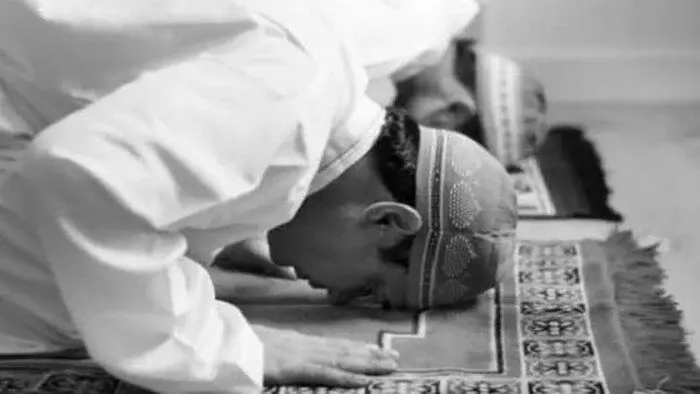
Islamic authorities warn against any behavior that distracts or disturbs a person during prayer, emphasizing the sacredness of salah and the severe sin of disrupting its spiritual focus.

Many wonder whether one ablution is sufficient for all five daily prayers. Islamic scholars clarify the ruling, highlighting both permissibility and the prophetic preference for renewing wudu.
Many people wonder whether mindfulness and deep reflection are required when reciting morning and evening adhkar, or if verbal repetition alone is sufficient. Islamic rulings clarify the balance between heart and tongue.
