Missing Fajr Prayer by Sleep: Ruling on Praying After Sunrise Explained

A clarification on whether it is permissible to perform Fajr prayer after sunrise and when a person is considered sinful for missing it due to sleep.


  Thu , April 09 2026 / 03:37 PM Updated At: 2026-04-09 15:37:32

حكم صلاة الفجر بعد الشروق وهل يأثم من نام عنها

Islamic guidance emphasizes the importance of performing the five daily prayers within their prescribed times, including the Fajr prayer, which holds a high spiritual status and requires discipline and effort to maintain.

The primary ruling is that Fajr prayer should be performed before sunrise. However, in cases where a person oversleeps without negligence or deliberate delay, there is no sin upon them, provided they perform the prayer immediately upon waking up, even if the sun has already risen.

On the other hand, if missing the prayer results from negligence, laziness, or failure to take reasonable means to wake up—such as sleeping early, setting an alarm, or asking someone for help—then the person is considered blameworthy. In such cases, the prayer must still be performed upon waking without delay.

This ruling is supported by prophetic teachings indicating that whoever forgets a prayer or sleeps through it must offer it as soon as they remember, highlighting the obligation of prompt performance.

Muslims are encouraged to adopt practical habits that help them consistently perform Fajr on time, such as maintaining a proper sleep schedule, setting intentions, and using available means to wake up, in order to preserve this important act of worship.

For more details and the latest news, follow Masr Connect

Apr 16
حكم صلاة المريض غير المتحكم في البول وفتوى دار الإفتاء المصرية

Dar Al-Ifta clarified the Islamic ruling on how patients suffering from involuntary urine leakage can properly perform الصلاة, emphasizing ease and removal of hardship in Islamic law.
Apr 16
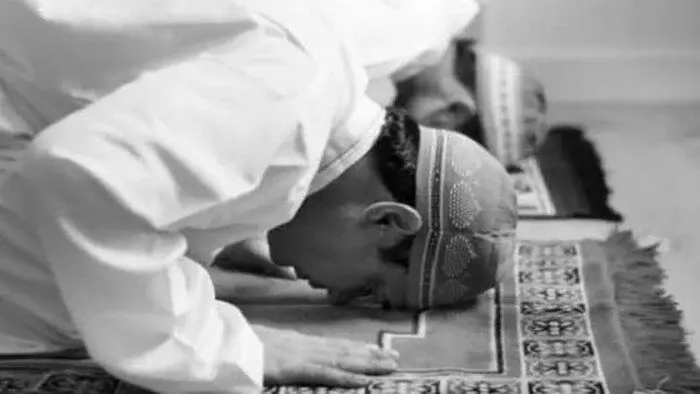
تحذير من التشويش على المصلي وحرمة إفساد خشوع الصلاة

Islamic authorities warn against any behavior that distracts or disturbs a person during prayer, emphasizing the sacredness of salah and the severe sin of disrupting its spiritual focus.
Apr 16
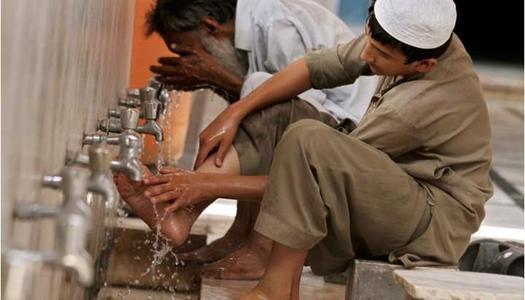
حكم أداء الصلوات الخمس بوضوء واحد وفضل تجديد الوضوء

Many wonder whether one ablution is sufficient for all five daily prayers. Islamic scholars clarify the ruling, highlighting both permissibility and the prophetic preference for renewing wudu.
Apr 16
أذكار الصباح والمساء وحكم الخشوع والتدبر أثناء الذكر

Many people wonder whether mindfulness and deep reflection are required when reciting morning and evening adhkar, or if verbal repetition alone is sufficient. Islamic rulings clarify the balance between heart and tongue.
