Nail Polish and Prayer: Does It Affect Ablution and Validity? Fatwa Clarifies
Egypt’s Dar al-Ifta explains that nail polish affects the validity of ablution only if it forms a barrier that prevents water from reaching the nail, emphasizing that prayer remains valid when proper purification is completed beforehand.

Dar al-Ifta clarified that nail polish, if it forms an impermeable layer preventing water from reaching the nail, invalidates ablution, as Islamic purification requires water to reach all obligatory washed areas without obstruction.
If the polish is applied before performing ablution, the purification is incomplete, and thus the prayer is not valid. However, if a woman performs a correct ablution first and then applies nail polish afterward, her prayer remains valid.
The fatwa also stated that nail polish itself is a permissible form of adornment for women, and may even be rewarded when used with lawful intention. However, its ruling changes when it interferes with the conditions of purification.
The explanation emphasized that Islamic law requires complete purification, warning against any barrier that prevents water from reaching the skin, as this affects a fundamental pillar of valid ablution and, consequently, the prayer.
In conclusion, removing nail polish before ablution is necessary to ensure valid worship, while its presence after proper purification does not affect the validity of prayer.
Repentance from drug addiction is always possible, but it requires sincerity, remorse, and avoiding despair that may block divine forgiveness.

Cleanliness and personal appearance are not just habits but essential values in Islamic etiquette that reflect respect and اخلاق in social settings.

A deeper spiritual insight explains the difference between regular supplication and intimate prayer, revealing key principles that increase the chances of acceptance.
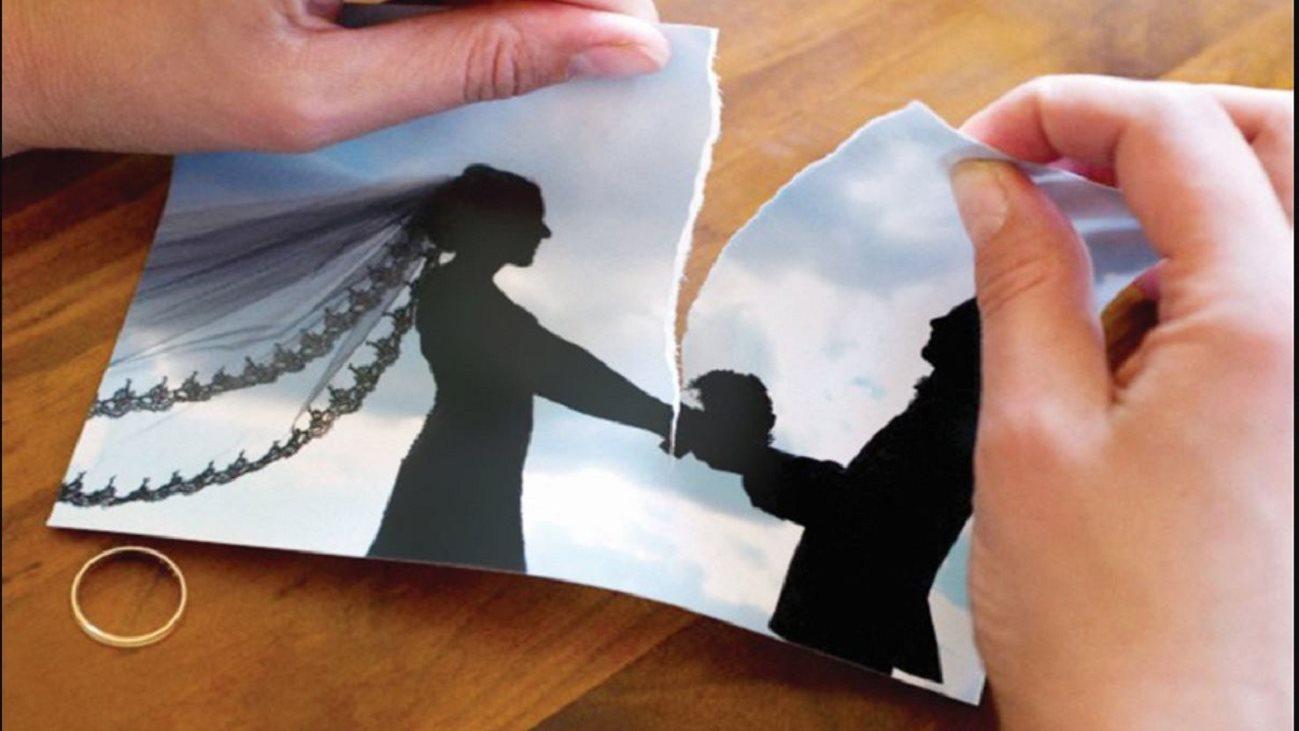
Religious guidance warns against using divorce words lightly, highlighting the serious consequences on family stability and spiritual responsibility.
