Religious Guidance on Abortion Before Ensoulment: When Is It Permissible?
A Dar Al-Ifta official clarifies the ruling on abortion before ensoulment, stating it may be allowed for a valid reason, while outlining conditions that prohibit it afterward.
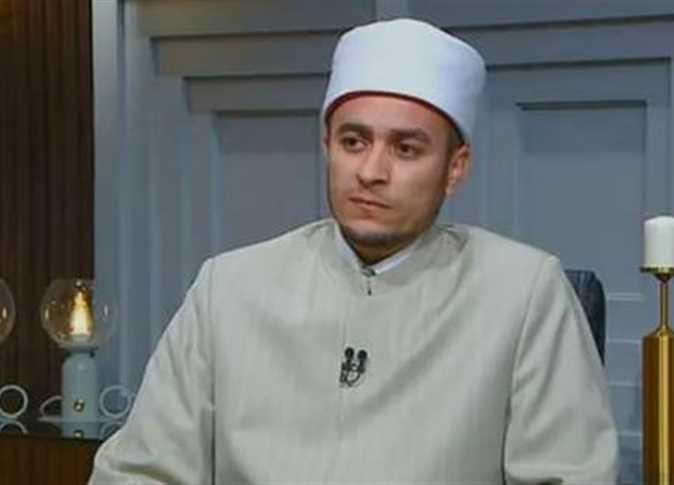

Dr. Mahmoud Shalaby, the Secretary of Fatwa at Egypt’s Dar Al-Ifta, addressed questions regarding the ruling on abortion in specific cases, explaining that the Islamic ruling varies depending on the developmental stage of the fetus and the surrounding circumstances.
He noted that the fetus goes through several stages, most notably the stage of ensoulment, which, according to the majority of scholars, occurs after approximately 120 days, while some scholars extend it to around 130 days based on established narrations and jurisprudential opinions.
He emphasized that abortion before this stage may be permissible if there is a valid and legitimate reason, such as a trusted medical recommendation indicating a potential risk or severe fetal abnormalities, particularly when the decision is based on the opinion of a qualified and reliable physician.
After ensoulment, abortion is not permissible except in exceptional cases, primarily when the mother’s life is in real danger, as determined by specialists and medical experts.
He also stressed the importance of referring to qualified experts in such matters rather than relying on personal judgment, citing the Quranic verse: “So ask the people of knowledge if you do not know,” highlighting that acting upon the advice of a trustworthy doctor relieves the individual of responsibility.
He concluded by affirming that decisions made based on sound medical evaluation are considered valid from a religious perspective, while praying for goodness, provision, and blessings for all families.
For more details and the latest updates, follow the Egypt Connect website

Many seek powerful supplications for quick marriage, asking Allah for a righteous spouse, protection, and ease, along with Quranic prayers that open doors of relief.

In times of hardship and distress, Muslims turn to powerful supplications seeking relief, peace, and divine comfort that removes sorrow and anxiety.

Many expectant mothers turn to supplications for fetal protection, seeking safety, perfect creation, and peace of mind alongside medical care.

In times of fear and concern for children, many parents turn to the dua of entrusting their children to Allah, seeking divine protection and endless care.
