Religious Ruling on Changing Ihram Clothing During Hajj and Umrah
Dar Al-Ifta clarifies whether pilgrims can change Ihram clothing and outlines the rules for both men and women.
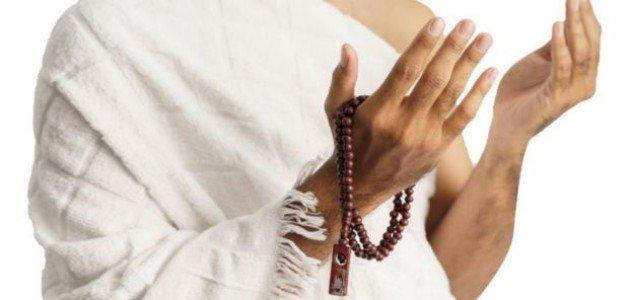

Many pilgrims and Umrah performers often wonder whether they are allowed to change or remove Ihram clothing during the pilgrimage, especially due to the common belief that the pilgrim must remain in the same attire until the completion of rituals.
Ruling on Changing Ihram Clothing
Dar Al-Ifta explains that it is permissible to change or remove Ihram clothing during Hajj or Umrah, as long as the pilgrim does not violate any of the prohibitions of Ihram.
Prohibitions for Men in Ihram
Men are prohibited from wearing tailored or stitched garments such as:
- Shirts
- Trousers
- Hooded cloaks
- Socks or covered footwear (except in necessity)
They must remain in the designated Ihram attire throughout the rituals.
Women’s Ihram Clothing
Women may wear any modest clothing as long as it is not similar to men’s clothing, while observing the rule of not covering the face and hands during Ihram.
Important Clarification
Changing Ihram clothing does not affect the validity of the pilgrimage or Umrah, provided that all Islamic rulings are respected, reflecting the ease and flexibility of Islamic law.
For more details and the latest news, follow Masr Connect
Learn about the authentic evening adhkar from the Sunnah, their virtues, recommended repetitions, and how they bring protection, peace, and blessings.

Ruqyah Shar’iyyah is one of the Islamic methods of seeking healing and protection through Quranic verses and prophetic supplications. Learn its correct method, verses, and duas.
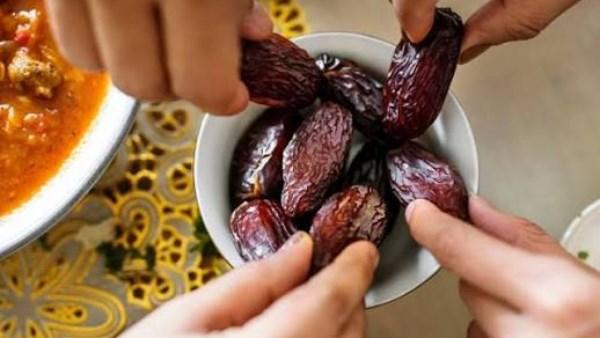
Learn the dates of the White Days of Safar, the virtues of fasting them, why they are called the White Days, and the Islamic teachings regarding this recommended Sunnah.

Discover the complete story of Prophet David (Dawood) in Islam, including how he became both a king and a prophet, his miracles, his devotion to worship, and his remarkable life according to the Quran and authentic Sunnah.
