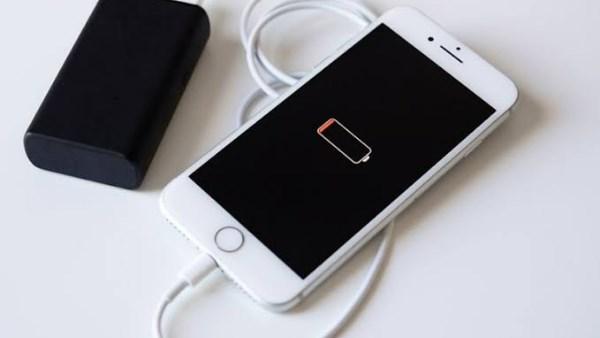

Egypt’s Dar Al-Ifta explained that a lender may not use a pledged phone when the pledge secures a debt arising from a loan.
The reason is that the lender’s benefit from the pledged property in such a situation may fall under the concept of a loan that generates a benefit for the lender, which is prohibited in Islamic law.
Therefore, if someone lends money to another person and receives their phone as collateral, the lender may not simply use the phone free of charge until the debt is repaid.
Can the Lender Use the Pledged Phone for a Fee?
Dar Al-Ifta explained that there is a permissible way for the lender to benefit from the pledged phone: the lender may rent the phone from its owner.
In this case, the lender pays an agreed rental fee to the owner in exchange for using the phone. The benefit therefore arises from a separate lease agreement rather than from the loan itself.
What Is the Difference Between a Pledge and a Lease?
According to the explanation, a pledge and a lease concern different aspects of the transaction.
A pledge relates to the property itself as security for a debt, while a lease relates to the benefit or use of the property in exchange for payment.
Therefore, if the lender enters into a separate lease agreement with the owner and pays an agreed rental fee, the use of the phone is based on the lease rather than being a benefit attached to the loan.
Must the Lender Pay Rent to Use the Pledged Phone?
If the lender wishes to use the pledged phone through a valid lease agreement, the lender must pay the agreed rental fee to the owner for the specified period of use.
Simply using the pledged phone without a lease and without payment, when the pledge arose from a loan, is not permissible according to the ruling explained by Dar Al-Ifta.
Does the Lender Become the Owner of the Phone?
No. A pledge does not transfer ownership of the pledged property to the lender.
The phone remains the property of the person who pledged it. Its role is to serve as security for the debt. Therefore, possession of the phone as collateral does not by itself give the lender the right to use it.
If the owner separately leases the phone to the lender, however, the lender may use it according to the terms of the lease.
Why Is Using the Pledged Phone Prohibited in a Loan?
The prohibition relates to a situation in which the pledge secures a loan and the lender gains a benefit because of that loan.
This may fall under the concept of a loan that generates a benefit for the lender, which is prohibited in Islamic jurisprudence.
For this reason, Dar Al-Ifta distinguishes between a benefit obtained through the loan itself and a benefit obtained through a separate lease agreement.
Example of Using a Pledged Phone
Suppose someone lends money to a friend, and the friend pledges a phone as security for repayment. The lender may not take the phone and use it free of charge while waiting for repayment.
However, the lender and the phone’s owner may enter into a separate lease agreement under which the lender pays an agreed fee to use the phone.
In that case, the payment is made in exchange for the phone’s use rather than as a benefit resulting from the loan.
Conclusion
Egypt’s Dar Al-Ifta stated that a lender may not use a pledged phone when the pledge secures a debt arising from a loan, because such a benefit may fall under a loan that generates a prohibited benefit.
If the lender wishes to use the phone, the permissible solution is to rent it from its owner under a separate lease agreement for an agreed fee. In this arrangement, the lease concerns the benefit, while the pledge serves as security for the debt.
Can a lender use a phone received as collateral?
No. The lender may not use it free of charge when the pledge secures a loan, according to Dar Al-Ifta’s explanation.
Can a pledged phone be rented to the lender?
Yes. The owner may enter into a separate lease agreement with the lender for an agreed rental fee.
Does a pledge transfer ownership of the phone?
No. The pledged property remains owned by the person who provided it as collateral.
Why can’t the lender use the phone because of the loan?
Because obtaining a benefit as a result of the loan may fall under a loan that generates a prohibited benefit.
What is the difference between a pledge and a lease?
A pledge concerns the property as security for a debt, while a lease concerns the benefit or use of the property in exchange for payment.