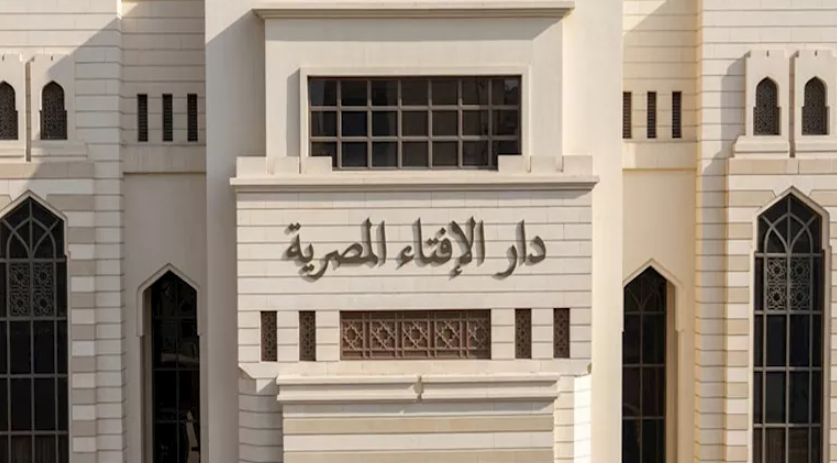
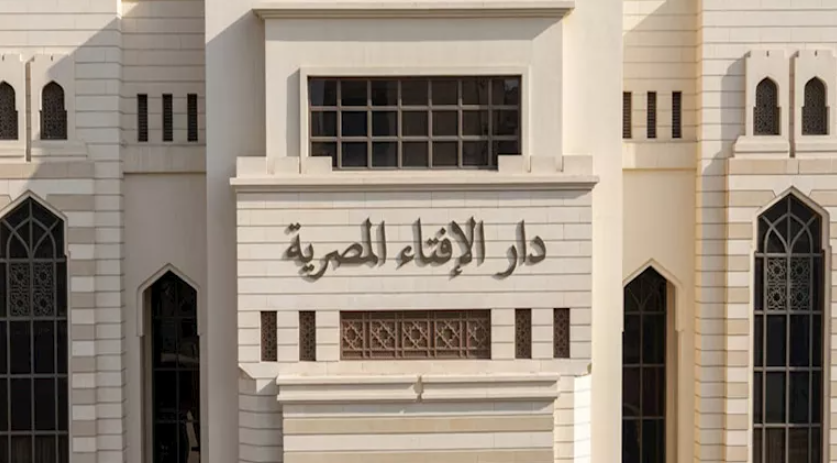
Safar is the second month of the Islamic (Hijri) calendar, following Muharram. Egypt's Dar Al-Ifta is expected to observe the crescent moon of Safar 1448 AH on the evening of Tuesday, 29 Muharram 1448 AH, corresponding to July 14, 2026, through its official religious and astronomical committees across the country before announcing the beginning of the new Hijri month.
When Does Safar 1448 AH Begin?
If the crescent moon is sighted on Tuesday evening, Wednesday, July 15, 2026, will be the first day of Safar 1448 AH.
If the crescent is not sighted, Wednesday, July 15, will complete the month of Muharram, and Thursday, July 16, 2026, will be the first day of Safar.
Why Is the Month Called Safar?
Scholars have offered several explanations for the origin of the name Safar.
One widely accepted view is that the Arabs' homes would become empty (tasfar) because people left to travel, fight, or search for food.
Another opinion suggests that the month was named after the whistling sound of strong seasonal winds.
Other historical accounts state that the name may refer to people gathering provisions, the city of Mecca becoming deserted during journeys, or the Arabs leaving their homes empty while setting out on military expeditions.
Is Safar an Unlucky Month?
No. In Islam, Safar is not considered an unlucky or cursed month, and there is no authentic Islamic evidence that it brings misfortune or bad luck.
Islam abolished the pre-Islamic belief that certain months or days were inherently unlucky, emphasizing that all benefit and harm are in the hands of Allah alone.
Therefore, Muslims should treat Safar like any other month of the year without fear or superstition.
Major Islamic Events That Took Place During Safar
Safar witnessed several important events in Islamic history, including:
The Expedition of Al-Abwa
The Expedition of Al-Abwa was the first military expedition led by Prophet Muhammad ﷺ after his migration to Madinah. He returned without any fighting taking place.
The Conquest of Khaybar
According to a number of historians, the Conquest of Khaybar took place during Safar and remains one of the major events of the Prophet's lifetime.
The Expedition of Qutbah ibn Amir
Qutbah ibn Amir ibn Hudhaydah led an expedition to the Khath'am tribe during Safar in the ninth year after Hijrah under the Prophet's command.
The Expedition of Dhi Amr
The Prophet ﷺ traveled to Najd during the Expedition of Dhi Amr in Safar before returning to Madinah without engaging in battle.
The Delegation of Banu Udhrah
The delegation of Banu Udhrah arrived before the Prophet ﷺ during Safar in the ninth year after Hijrah and embraced Islam.
The Conversion of Khalid ibn Al-Walid, Amr ibn Al-As, and Uthman ibn Talhah
These prominent Companions accepted Islam during Safar in the eighth year after Hijrah, marking an important milestone in Islamic history.
The Prophet's Migration to Madinah
The Prophet ﷺ departed from Makkah during Safar on the blessed journey of Hijrah before arriving in Madinah in the month of Rabi' al-Awwal.
The Marriage of the Prophet ﷺ to Lady Khadijah (May Allah Be Pleased with Her)
Some historical reports indicate that the Prophet's marriage to Lady Khadijah took place during the month of Safar.
The Marriage of Ali and Fatimah (May Allah Be Pleased with Them)
Some historians report that the marriage of Ali ibn Abi Talib and Lady Fatimah occurred during Safar.
Preparations for the Campaign Against the Romans
During Safar in the eleventh year after Hijrah, the Prophet ﷺ ordered preparations for the expedition against the Byzantine Romans and appointed Usamah ibn Zayd to lead the army.
Safar in the Prophetic Tradition
Historical events demonstrate that the Prophet ﷺ never regarded Safar as an unlucky month. On the contrary, many significant events of his life—including marriages, military expeditions, and official missions—occurred during Safar.
This confirms that the belief that Safar is an unlucky month has no authentic basis in Islam, and Muslims should approach it just as they do every other month—with trust in Allah and reliance upon Him.
Conclusion
Safar is a blessed month like all other months in the Islamic calendar. It should not be associated with superstition or bad luck. Islamic history records numerous important events that took place during Safar, highlighting its significance in the history of the Muslim Ummah.
When does Safar 1448 AH begin?
The beginning of Safar depends on the official moon sighting. It may begin on Wednesday, July 15, 2026, or Thursday, July 16, 2026.
Why is the month called Safar?
It is commonly believed to have been named because Arab settlements became empty as people left for travel or military expeditions. Other explanations also exist.
Is Safar considered an unlucky month?
No. Islam rejects the belief that Safar—or any other month—is inherently unlucky.
What are the most important events that occurred during Safar?
Among them are the Expedition of Al-Abwa, the Conquest of Khaybar, the conversion of several prominent Companions to Islam, and important events related to the Prophet's migration and marriages.