Salat Al-Istisqa: Rules, How to Perform It, and Why the Imam Turns His Cloak
Learn about Salat Al-Istisqa, the prophetic prayer for rainfall, its rulings, proper timing, and why the Imam turns his cloak before the sermon
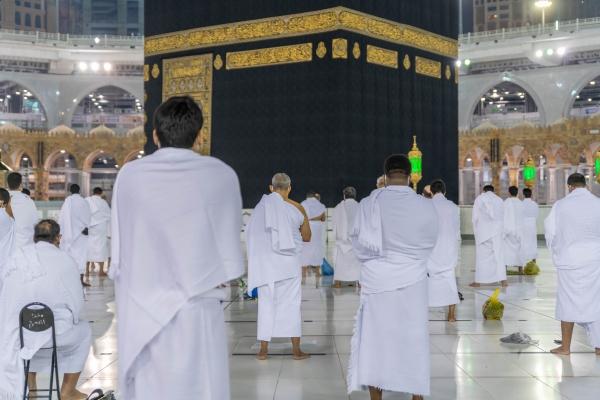

Salat Al-Istisqa is a confirmed Sunnah of the Prophet ﷺ performed to request rain, especially during droughts or water scarcity. It is performed in congregation and resembles the Eid prayers with specific features described in the Sunnah.
Ruling of Salat Al-Istisqa:
Scholars agree it is a confirmed Sunnah, and all four schools of thought affirm its permissibility.
Timing:
It is prayed about 15 minutes after sunrise, with audible recitation. The Imam delivers a sermon warning against the causes of drought and sins, urging repentance and supplication.
How to Perform It:
-
Two units of prayer: the first with seven takbirs after Takbir al-Ihram, the second with five.
-
Recite Al-Fatihah and what is feasible of the Qur’an in each unit.
-
Perform bowing and prostrations as in other prayers, then stand for the second unit similarly.
Sermon and Turning the Cloak:
After prayer, the Imam delivers the sermon, reminding people of the causes of drought and urging good deeds. It is Sunnah for the Imam to turn his outer garment from right to left when facing the Qibla, symbolizing the change from drought to rainfall, based on a transmitted narration from Imam Muhammad al-Baqir.
Supplication for Salat Al-Istisqa:
After the sermon, the Imam faces the Qibla and prays:
"O Allah, send us rain, O Allah, send us rain, O Allah, send us rain," repeated three times, asking for abundant, beneficial, and wholesome rain. The Prophet ﷺ also used to supplicate:
"O Allah, make our crops grow, give abundance to our livestock, and grant us blessings in the rain. Do not make us among the despairing."
For more details and latest news, follow Masr Connect.
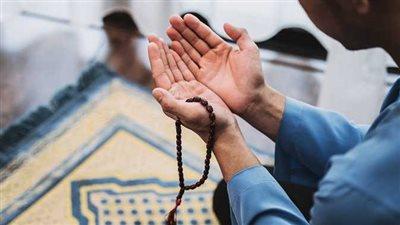
Learn the supplication for fulfilling needs, including prophetic duas, the prayer of need, and key conditions for answered prayers like sincerity, certainty, and timing.

A statement confirms that Dr. Ahmed Maabed Abdel Karim, member of Al-Azhar’s Council of Senior Scholars, is in good health and currently resting under medical advice.

Dar Al-Ifta explains that installment sales with a known price increase are permissible and differ from riba due to the presence of goods and a fixed agreed price
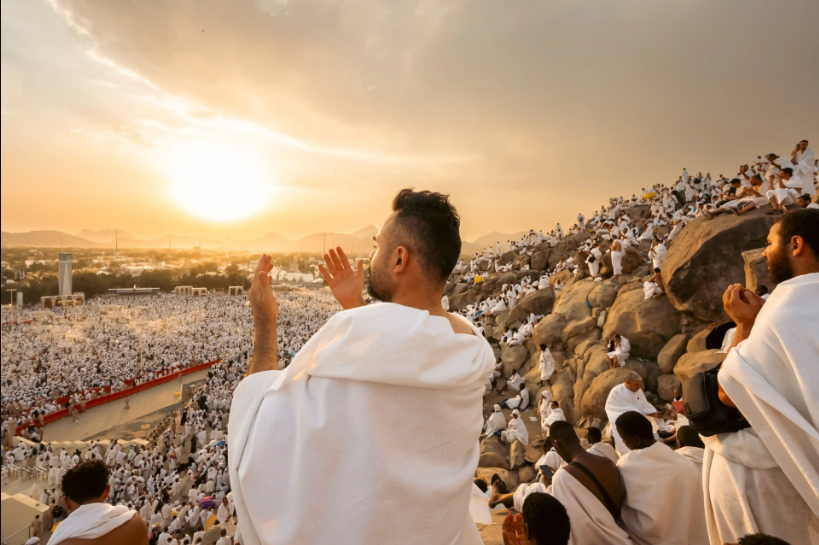
Learn about the Days of Tashreeq in Dhul-Hijjah, their Islamic rulings, pilgrim rituals like stoning the Jamarat, and the prohibition of fasting during them.
