Sacrificial Animal Age and Conditions: Sheep, Goats, Camels & Legal Rulings Explained
Sacrificial Animal Age and Conditions: Sheep, Goats, Camels & Legal Rulings Explained
Learn the required age for sacrificial animals, conditions, defects that invalidate sacrifice, and the proper time of slaughter according to Islamic rulings.
Udhiyah is one of the greatest rituals in Islam, performed during Eid al-Adha as an act of devotion to Allah and in remembrance of the sacrifice of Prophet Ibrahim (peace be upon him). It expresses gratitude to Allah for His countless blessings.
Scholars state that it is a highly recommended Sunnah, and abandoning it while being able leads to missing great reward.
Required Age of Sacrificial Animals
Legal age for each type of animal
The Islamic rulings define the minimum age as follows:
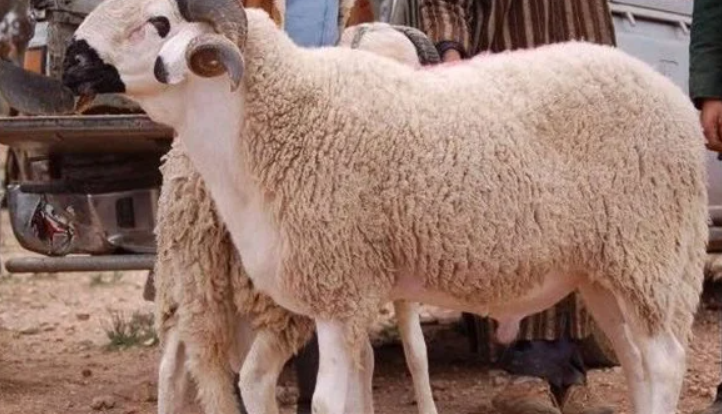
Sheep (lamb): At least 6 months old
Goat: At least 1 lunar year
Cattle (cow/buffalo): At least 2 lunar years
Camel: At least 5 lunar years
Important principle
Age is not the only condition; the animal must also be well-developed and have sufficient meat. In some cases, a younger but well-grown animal may be acceptable.
Evidence for Age Requirement
The Prophet ﷺ said:
“Do not slaughter except a mature animal, unless it is difficult for you, then slaughter a young sheep.”
A “mature animal” refers to one that has reached the required age, while a young sheep (jadha‘ah) is only accepted in sheep under necessity.
Conditions for a Valid Sacrifice
For a valid udhiyah, the animal must:
Be alive at the time of slaughter
Be intended for Allah’s sake
Be owned by the person offering it
Reach the required age
Be free from major defects
Time of Slaughter
Start time
After the Eid al-Adha prayer.
End time
Until sunset of the 13th day of Dhul-Hijjah.
Recommended distribution
It is recommended to divide the meat into:
One-third for the family
One-third as gifts
One-third for charity
Defects That Invalidate Sacrifice
An animal is not valid for sacrifice if it has serious defects, such as:
Blindness (clearly one-eyed or worse)
Severe loss of vision in one eye
Minor weakness of eyesight does not affect validity
Severe illness
Illness that affects meat quality or makes the animal unfit for consumption
Includes severe skin diseases or unconsciousness from injury
Severe lameness
Clear inability to walk normally
Mild limp is excused
Extreme weakness
Very thin animal with no sufficient meat
Identified by experts and lack of appetite
What if the Animal Becomes Defective After Purchase?
If a person buys a healthy sacrificial animal and it becomes defective later:
It is still valid for sacrifice
There is no blame unless negligence caused the damage
Virtue of Sacrifice
Udhiyah is among the most beloved deeds to Allah on the Day of Sacrifice. It carries immense reward, and its acceptance is emphasized in authentic narrations describing its great spiritual value.
FAQ
Can a sheep younger than 6 months be sacrificed?
No, unless it is exceptionally well-grown and considered mature.
Can a young calf be used for sacrifice?
No, it must reach at least 2 lunar years.
Do minor defects affect validity?
No, only major visible defects invalidate the sacrifice.
When does sacrifice time end?
At sunset on the 13th of Dhul-Hijjah.
Is it allowed to eat from the sacrifice?
Yes, it is recommended to eat, gift, and donate from it.
Ruqyah Shar’iyyah is one of the Islamic methods of seeking healing and protection through Quranic verses and prophetic supplications. Learn its correct method, verses, and duas.
Learn the dates of the White Days of Safar, the virtues of fasting them, why they are called the White Days, and the Islamic teachings regarding this recommended Sunnah.
Discover the complete story of Prophet David (Dawood) in Islam, including how he became both a king and a prophet, his miracles, his devotion to worship, and his remarkable life according to the Quran and authentic Sunnah.