Wheat Zakat in Harvest Season: Rules, Nisab, and Calculation Explained
A comprehensive explanation of wheat zakat rules, including threshold, percentage, timing, and distribution according to Islamic guidelines.
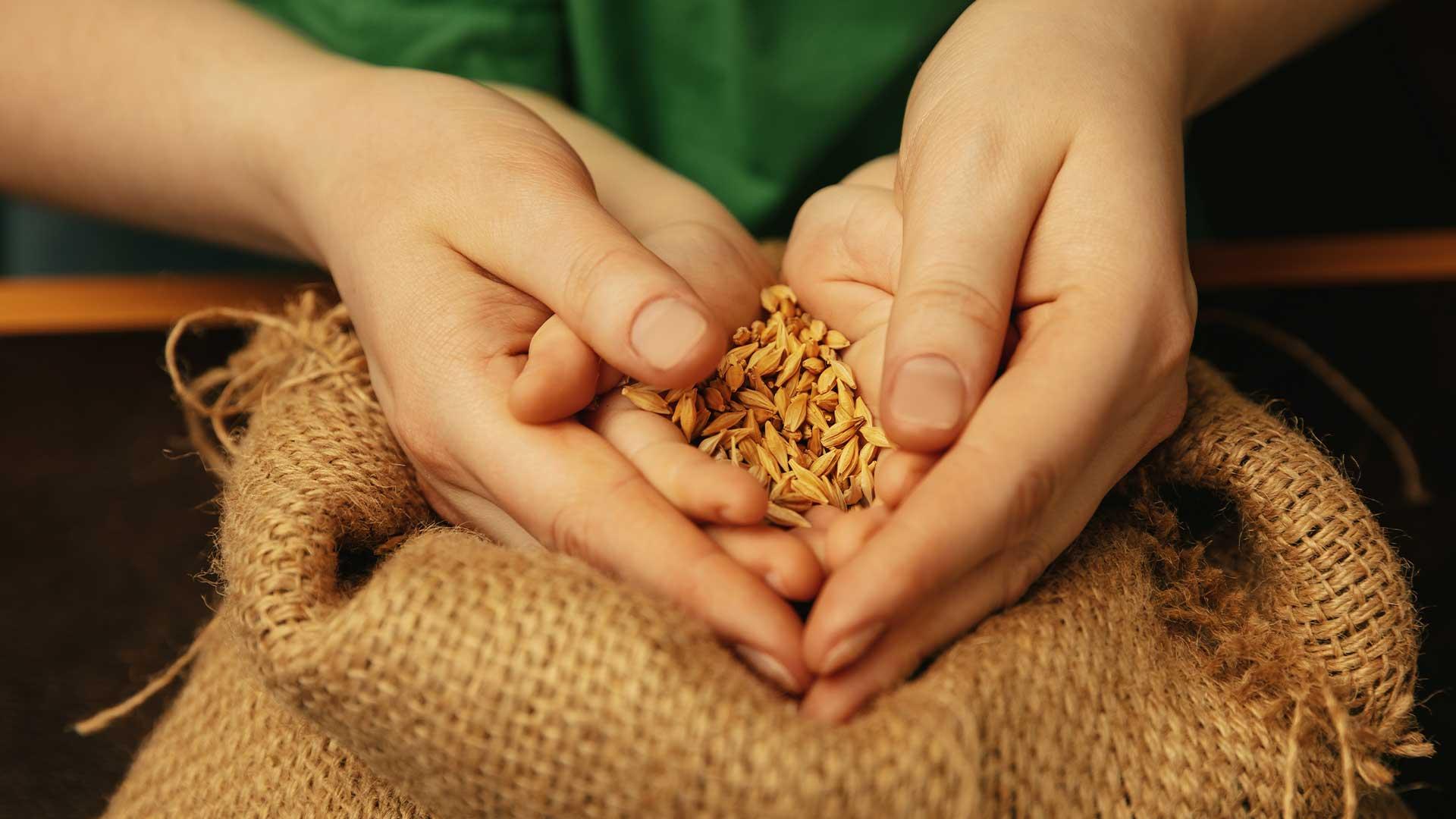

With the arrival of harvest season, questions about agricultural zakat become more frequent, especially regarding wheat, one of the essential crops on which Islamic law has established a due right.
Wheat Is Subject to Zakat
Al-Azhar Global Center for Electronic Fatwa confirms that wheat is among the crops subject to zakat once it reaches the required threshold.
What Is the Nisab for Wheat?
The nisab is set at five awsuq, approximately:
- 50 Egyptian kails (traditional measure)
- Around 612 kilograms in weight
Zakat Rate on Wheat
The rate depends on irrigation method:
- 10% (one-tenth): if naturally irrigated without cost
- 5% (half of one-tenth): if irrigated using machinery or paid methods
Who Pays the Zakat?
If the land is rented, the tenant who cultivates the crop is responsible for zakat, while the landowner pays zakat on rental income if it reaches the nisab.
Are Expenses Deducted?
Agricultural expenses such as seeds, fertilizers, and labor are not deducted before calculating zakat; it is paid on the total yield.
Timing of Payment
Zakat should be paid immediately after harvest, and delay is only allowed for a valid reason, based on the Quranic command: “Give its due on the day of harvest.”
How Is Zakat Paid?
It is preferably given from the crop itself, though monetary value is allowed if more beneficial for the poor.
Beneficiaries
Zakat is distributed locally among eligible recipients, unless there is a valid reason to transfer it elsewhere.
For more details and the latest news, follow Misr Connect

Learn about the authentic evening adhkar from the Sunnah, their virtues, recommended repetitions, and how they bring protection, peace, and blessings.

Ruqyah Shar’iyyah is one of the Islamic methods of seeking healing and protection through Quranic verses and prophetic supplications. Learn its correct method, verses, and duas.
Learn the dates of the White Days of Safar, the virtues of fasting them, why they are called the White Days, and the Islamic teachings regarding this recommended Sunnah.

Discover the complete story of Prophet David (Dawood) in Islam, including how he became both a king and a prophet, his miracles, his devotion to worship, and his remarkable life according to the Quran and authentic Sunnah.
