When Prayers Defy Limits: Powerful Words That Turn the Impossible Into Reality
In moments of despair, prayer becomes the strongest force—transforming what seems impossible into reality through faith and certainty.

Throughout time, countless stories have shown how sincere supplication can reshape destinies. What once felt unreachable becomes possible when faith replaces doubt and certainty fills the soul.
Among the most powerful supplications are those rooted in sacred texts, carrying deep meanings of surrender, humility, and devotion:
“My Lord, do not leave me alone without a child, while You are the best of inheritors.”
“There is no deity except You; exalted are You. Indeed, I have been among the wrongdoers.”
“Indeed, adversity has touched me, and You are the Most Merciful of the merciful.”
“Our Lord, grant us good in this world and good in the Hereafter and protect us from the punishment of the Fire.”
There are also heartfelt personal prayers that reflect deep reliance and trust:
O Ever-Living, O Sustainer, I seek Your mercy—set right all my affairs and do not leave me to myself even for the blink of an eye.
O Lord, I place all my matters in Your hands—grant me ease that amazes me and relief that comforts my heart.
The power of prayer lies not only in the words, but in the keys that unlock its acceptance: sincerity, unwavering belief, persistence, and a present, attentive heart. Constant remembrance and gratitude further elevate supplication.
For more details and the latest updates, follow Masr Connect

Dar Al-Ifta clarified the Islamic ruling on how patients suffering from involuntary urine leakage can properly perform الصلاة, emphasizing ease and removal of hardship in Islamic law.
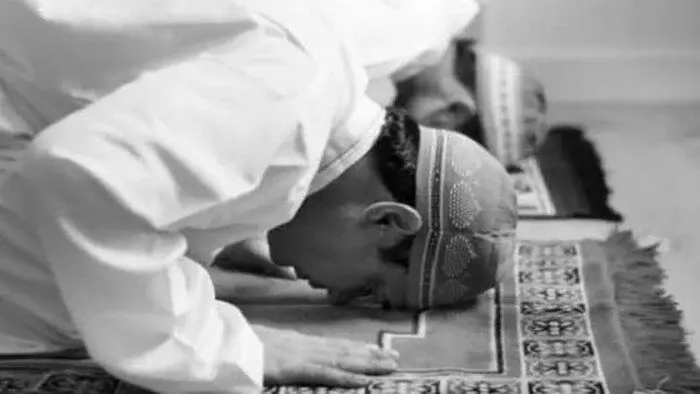
Islamic authorities warn against any behavior that distracts or disturbs a person during prayer, emphasizing the sacredness of salah and the severe sin of disrupting its spiritual focus.
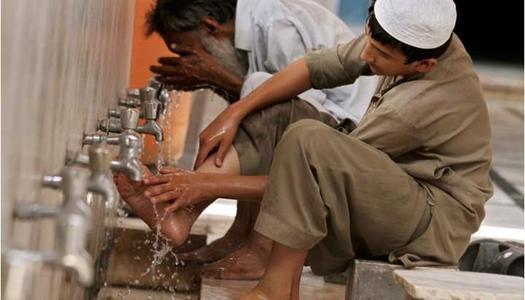
Many wonder whether one ablution is sufficient for all five daily prayers. Islamic scholars clarify the ruling, highlighting both permissibility and the prophetic preference for renewing wudu.
Many people wonder whether mindfulness and deep reflection are required when reciting morning and evening adhkar, or if verbal repetition alone is sufficient. Islamic rulings clarify the balance between heart and tongue.
