Why Does the Registrar Cover Hands During the Marriage Contract? The Hidden Meaning
Many people notice the registrar covering hands while signing the marriage contract. Is it religious or cultural? Here is the full truth behind this symbolic tradition.
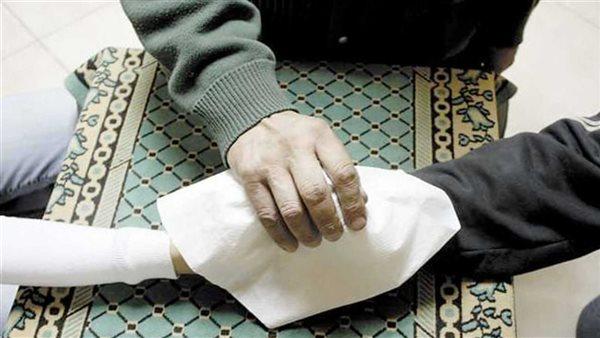

At almost every wedding ceremony, a familiar scene appears: the marriage registrar covers the hands of the groom and the bride’s guardian while writing the contract. This simple gesture raises an important question — is it required by religion, or is it just a social habit passed through generations?
In Islamic law, a valid marriage contract does not depend on covering hands. It requires the presence of the bride’s guardian, the groom’s clear acceptance, and two trustworthy witnesses. The guardian says, “I marry my daughter to you,” and the groom replies, “I accept this marriage.” Once these conditions are met and no obstacles exist, the marriage becomes valid.
It is also recommended to begin with a short marriage sermon that reminds both partners of mercy, responsibility, and mutual respect.
As for covering the hands, scholars explain that there is no Quranic or prophetic text supporting it. Instead, it carries a psychological and cultural meaning. People see the cover as a symbol of protection and privacy, suggesting that the couple’s future joys and struggles should remain sheltered and respected.
This tradition is also linked to the belief in avoiding envy, as the marriage moment is viewed as sacred and decisive. Covering the hands adds a sense of seriousness, focus, and dignity to the ceremony, emphasizing that marriage is a major life commitment.
Therefore, the marriage contract remains completely valid even without this gesture, since it is not a religious condition, but a symbolic custom combining protection, respect, and tradition.
Conditions for a Valid Marriage
To complete a valid marriage, scholars mention five main conditions:
-
Clear identification of both spouses.
-
Full consent of both partners.
-
Presence of the bride’s guardian.
-
Two just witnesses.
-
Absence of legal obstacles such as kinship, breastfeeding relations, religion conflict, or waiting period.
Through these pillars, marriage stands firm beyond cultural habits.
For more details and the latest updates, follow Masr Connect.
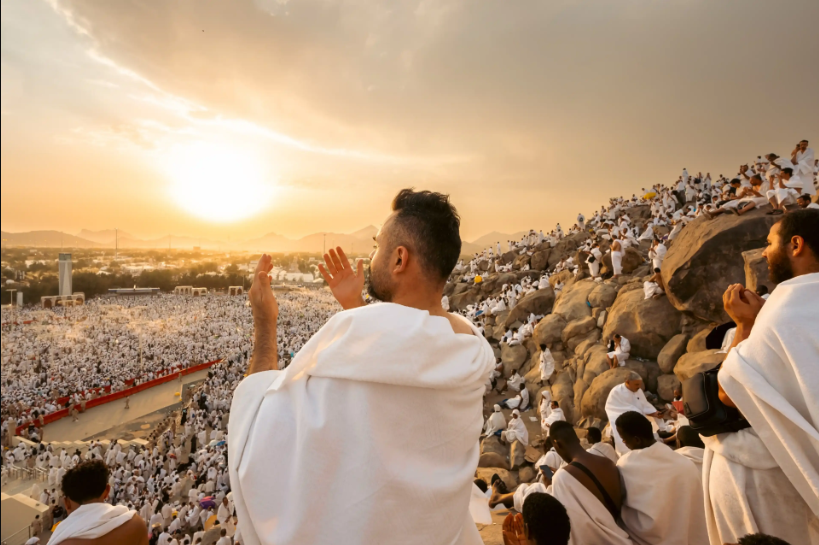
Learn the best deeds on the Day of Arafah for pilgrims and non-pilgrims, including fasting, prayers, and powerful forgiveness duas on this blessed day
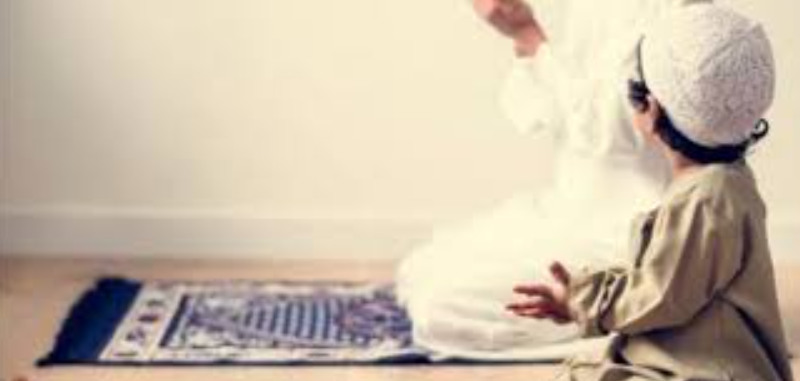
Learn the so-called “miracle prayer for children” and beautiful supplications for protecting kids, guiding them, and asking Allah for safety, righteousness, and blessings.
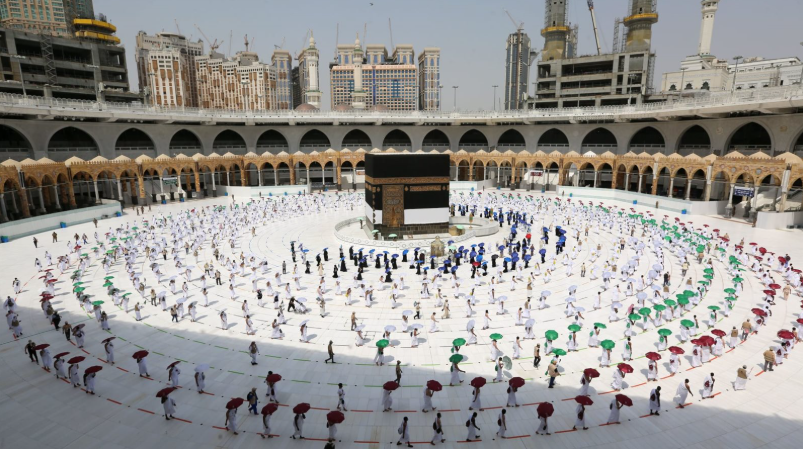
Learn the ruling on interrupting Tawaf for obligatory prayer and how to resume it afterward according to Dar Al-Ifta Egypt and Islamic jurisprudence.
A collection of authentic supplications for relief from distress, easing sadness, and calming the heart, along with spiritual tips for inner peace.
