On Sheikh Al-Sudais’s Birthday: A Reverent Voice and a Distinguished Academic Path
Muslims celebrate the birthday of Sheikh Abdul Rahman Al-Sudais, Imam and Khateeb of the Grand Mosque in Makkah, renowned for his reverent voice and distinguished scholarly and religious contributions.
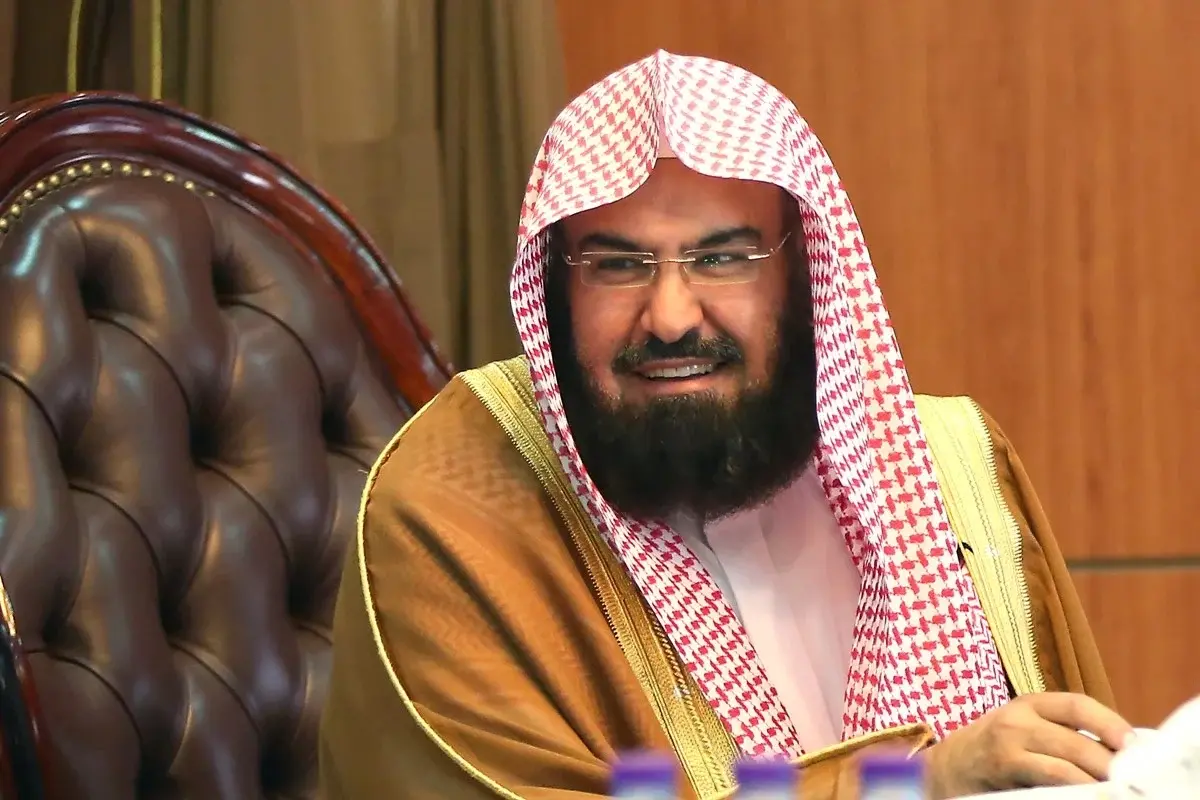
Today, the Islamic world marks the birthday of Sheikh Abdul Rahman bin Abdul Aziz Al-Sudais, the General President for the Affairs of the Grand Mosque and the Prophet’s Mosque, and one of the most prominent imams and preachers of the Holy Mosque in Makkah.
Sheikh Al-Sudais is celebrated for his reverent voice and unique style of Quran recitation, which combines devotion and precision, inspiring Muslims worldwide. Born in 1959 in Al-Bukayriyah, Al-Qassim, he memorized the Quran by the age of twelve, studied in Riyadh, and graduated from the College of Sharia at Imam Muhammad bin Saud Islamic University in 1983.
He was appointed Imam and Khateeb of the Grand Mosque in 1984, becoming the youngest imam at the time, delivering his first sermon in Ramadan that year. He continued his academic journey, earning a Master’s and PhD in Usul al-Fiqh, later becoming an assistant professor at Umm Al-Qura University, while maintaining his educational and religious duties within the Grand Mosque.
Sheikh Al-Sudais blends scholarly and religious work, focusing on teachings in creed, Quranic exegesis, and Hadith, while offering guidance and fatwas during Hajj seasons, establishing himself as a key religious authority in the Muslim world. He has received multiple awards, including the Islamic Personality Award in 1995.
Thanks to his influential voice and scholarly contributions, Sheikh Al-Sudais remains a symbol of knowledge and devotion, deeply respected by Muslims around the globe.
For more details and the latest updates, follow Masr Connect.
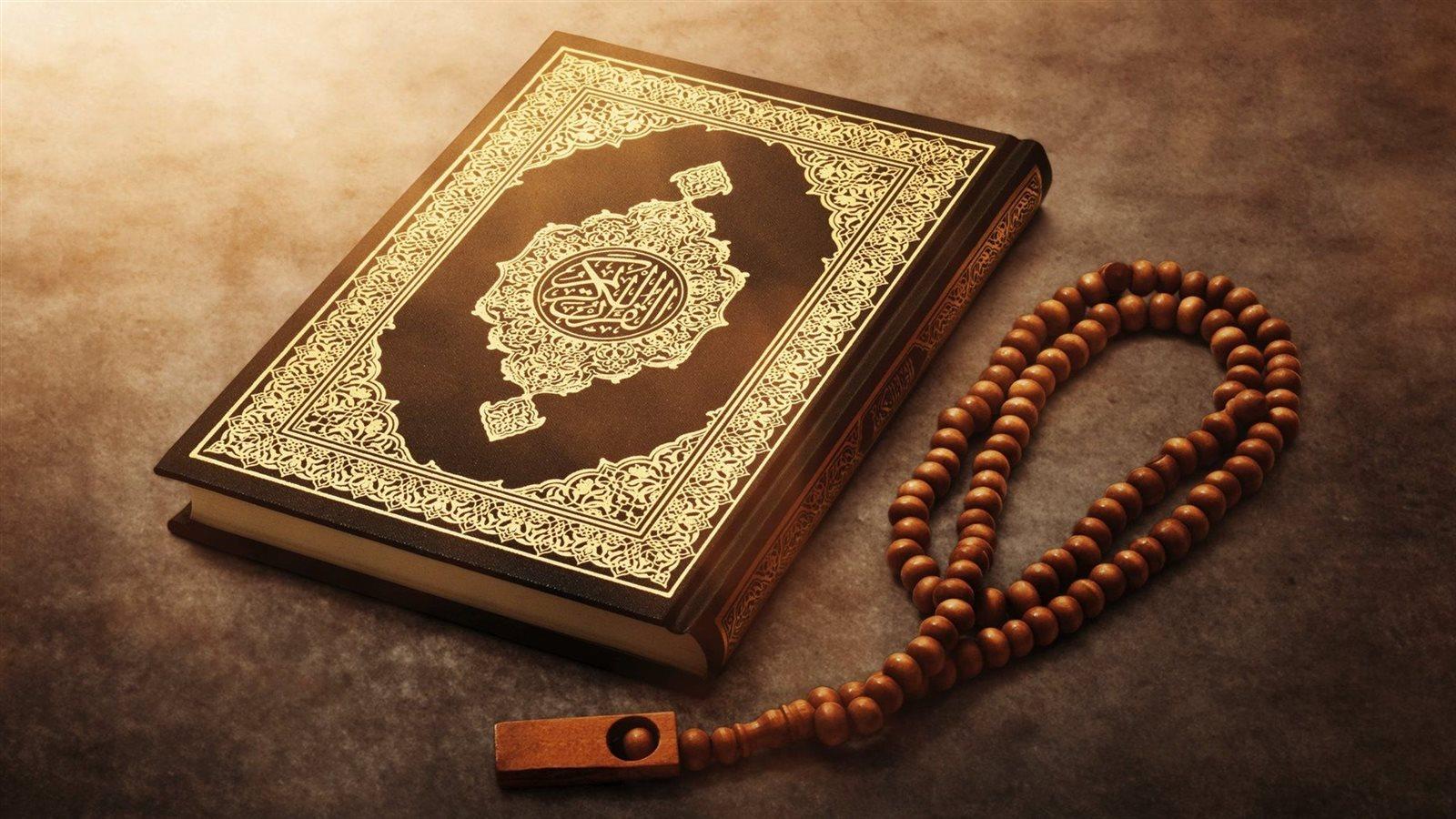
Completing the Quran is a recommended act of worship, including supplications for mercy, guidance, forgiveness, and blessings in this world and the Hereafter, with examples of authentic prayers.

Al-Azhar Fatwa Authority clarified that fully relying on AI applications like ChatGPT for interpreting the Quran is prohibited in Islamic law, and one must refer to recognized tafsir books and qualified scholars.

The Egyptian Fatwa Authority clarified that a woman who needs to make up missed Ramadan fasts may fast the entire month of Sha’ban, as making up Ramadan is valid on a flexible schedule, with preference to complete it before the next Ramadan.
The Egyptian Fatwa Authority highlights the most recommended acts during the last ten nights of Sha’ban, emphasizing Salat al-Tasbih which expiates sins, relieves distress, and eases difficulties, along with Quran recitation, charity, and abundant supplication.
