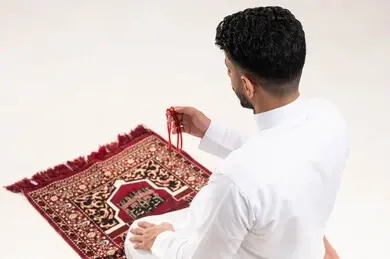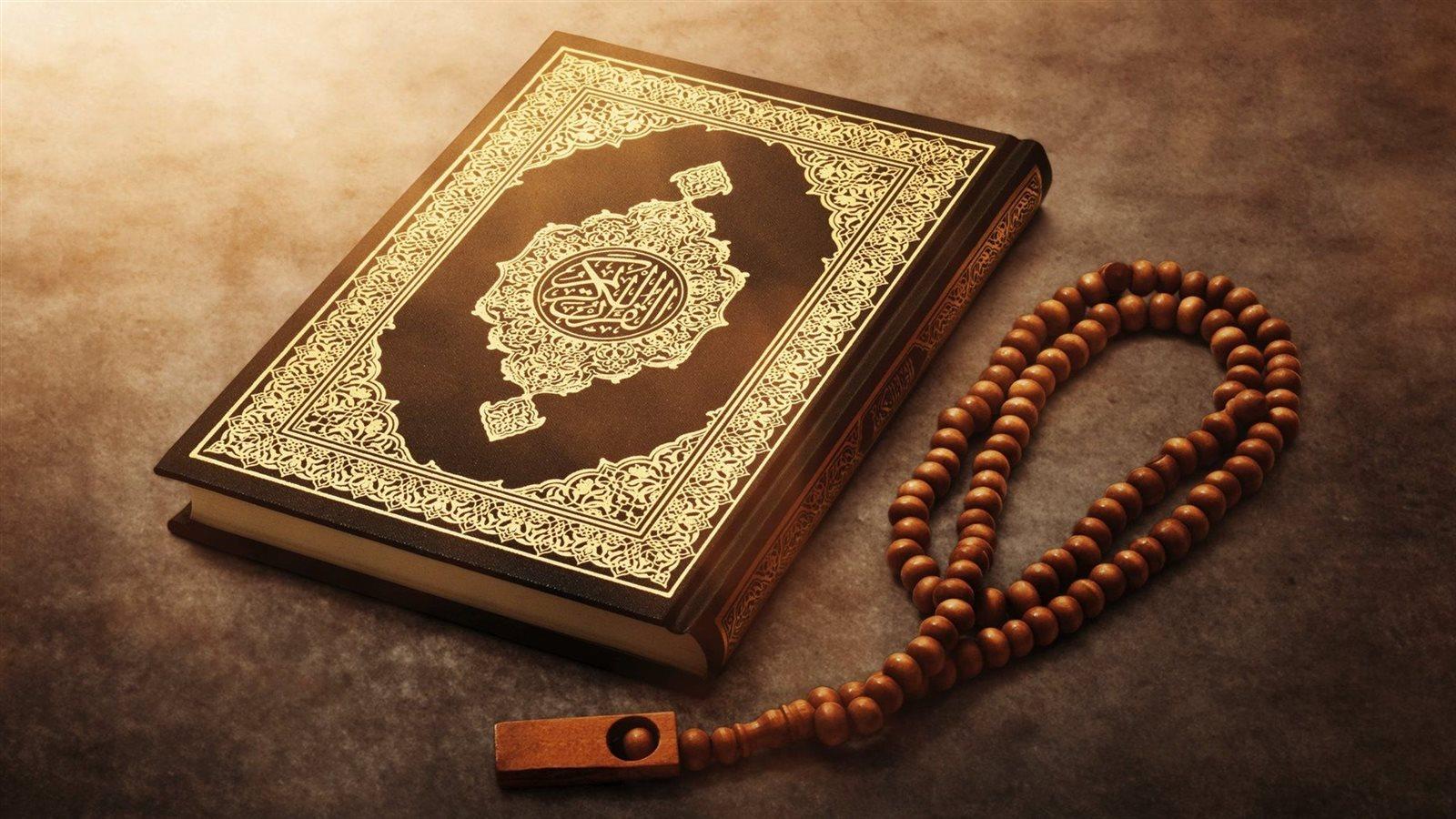
Supplications upon completing the Quran are a recommended form of worship, in which the believer seeks Allah’s mercy, guidance, forgiveness, steadfast faith, lawful provision, and mercy for the deceased. Some of the well-known authentic supplications include:
-
Prescribed Supplication:
“O Allah, have mercy on me through the Quran and make it my guide, light, and source of guidance and mercy. Remind me of what I forget, teach me what I am ignorant of, allow me to recite it at all hours of the day and night, and make it a proof for me, O Lord of the worlds.” -
Seeking Reform:
“O Allah, rectify my religion which is the safeguard of my affairs, my worldly life in which is my livelihood, and my Hereafter in which is my return. Make my life an increase in all good, and make death a relief from all evil.” -
Seeking Forgiveness and Needs:
“O Allah, do not leave for us any sin without forgiving it, any worry without relieving it, any debt without settling it, and any need of the world or Hereafter without fulfilling it, O Most Merciful of the merciful.” -
Closing Supplication:
“O Allah, make the best of my life its end, the best of my deeds its conclusion, and the best of my days the day I meet You.” -
Glorification and Praise:
“Glory be to your Lord, the Lord of honor, above what they describe. Peace be upon the messengers, and praise be to Allah, Lord of the worlds.”
Believers may supplicate in any form that suits their heart, as supplication after completing the Quran is a recommended act, not obligatory with a fixed wording. The key is sincerity and humility in one’s supplication.
For more details and the latest updates, follow Masr Connect.