The Last Ten Nights of Sha’ban: Acts of Worship and Salat al-Tasbih
The Egyptian Fatwa Authority highlights the most recommended acts during the last ten nights of Sha’ban, emphasizing Salat al-Tasbih which expiates sins, relieves distress, and eases difficulties, along with Quran recitation, charity, and abundant supplication.
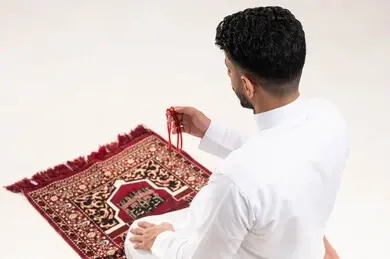
As the last ten nights of Sha’ban begin, scholars urge Muslims to seize these blessed days with righteous deeds in preparation for Ramadan, when deeds are elevated and rewards multiplied.
Among the most significant acts is Salat al-Tasbih, recommended at least once, which expiates sins, relieves distress, eases difficulties, fulfills needs, protects from fear, and conceals faults. The prayer consists of four units (rak‘ahs), with 75 tasbihs in each, totaling 300, with the recitation of selected surahs such as Al-Zalzalah, Al-Kafirun, An-Nasr, and Al-Ikhlas after Al-Fatihah.
At the conclusion of the prayer, it is recommended to supplicate freely, remembering the virtues of the prophets and the righteous in patience and perseverance, increasing in seeking forgiveness, praising Allah for reaching Ramadan, promoting good and forbidding evil, and performing all acts sincerely, making these nights an opportunity to multiply rewards and prepare for spiritual elevation in Ramadan.
The Fatwa Authority stresses that consistent righteous deeds, even if small, are beloved to Allah more than overexertion, as taught in the Sunnah, and those who excel in good deeds are those who seize these nights for worship, avoiding neglect or distraction from remembrance and prayer.
For more details and the latest updates, follow Masr Connect

Using a smartphone while moving may seem harmless, but it significantly raises the risk of falls, concussions, and serious head injuries due to distraction and loss of balance
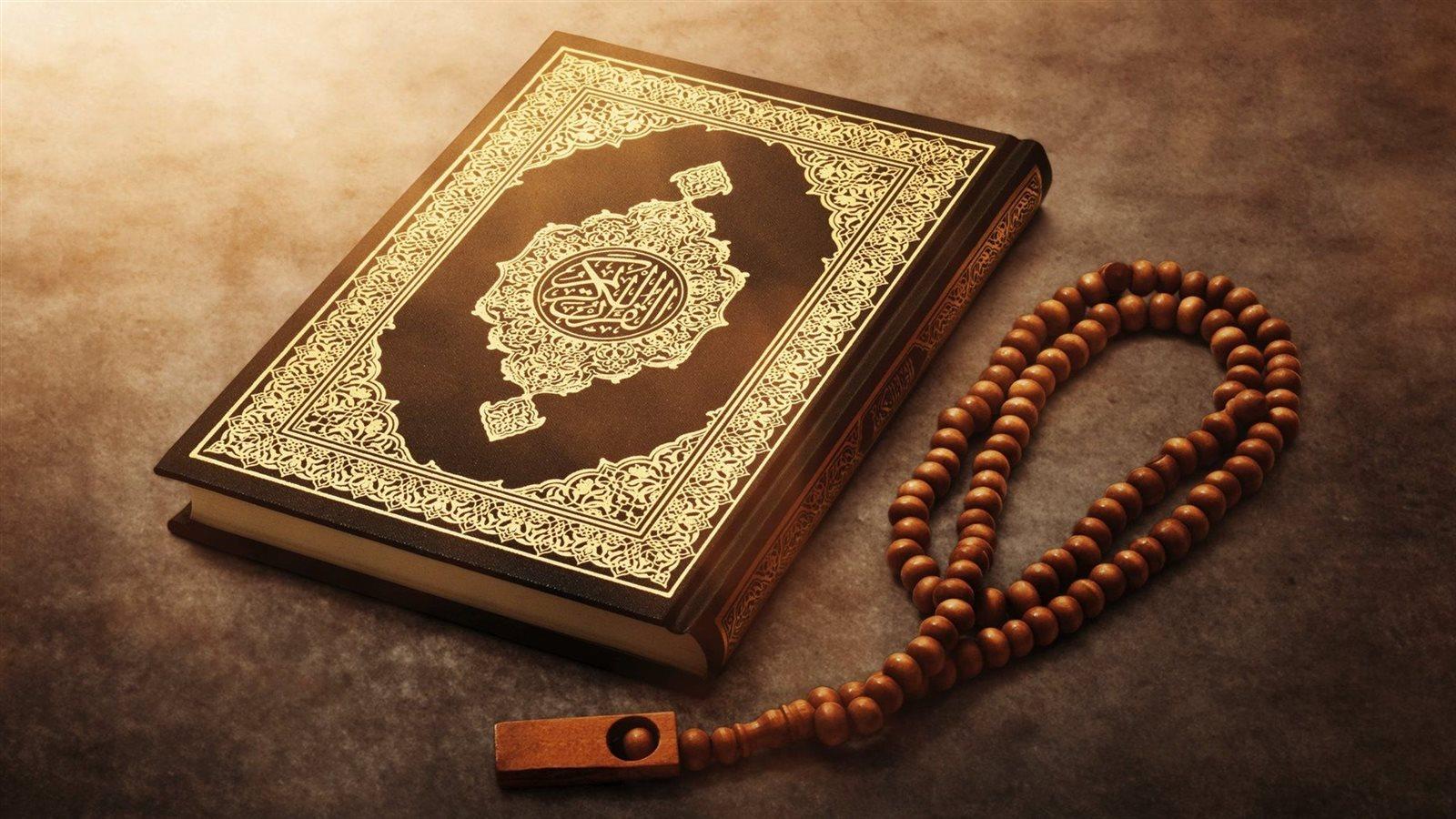
Completing the Quran is a recommended act of worship, including supplications for mercy, guidance, forgiveness, and blessings in this world and the Hereafter, with examples of authentic prayers.

Al-Azhar Fatwa Authority clarified that fully relying on AI applications like ChatGPT for interpreting the Quran is prohibited in Islamic law, and one must refer to recognized tafsir books and qualified scholars.

The Egyptian Fatwa Authority clarified that a woman who needs to make up missed Ramadan fasts may fast the entire month of Sha’ban, as making up Ramadan is valid on a flexible schedule, with preference to complete it before the next Ramadan.
