
🔥 A Painful Night for Tunisia
Tunisia’s national team endured one of its darkest nights at the World Cup 2026 after suffering a heavy 4-0 defeat against Japan, a result that reflected the deep struggles the team faced throughout the tournament.
The loss was not just another negative result on paper; it marked the official collapse of Tunisia’s campaign, which ended earlier than expected and in a manner that disappointed fans and observers alike. The emotional weight of the defeat was evident immediately after the final whistle 😢⚽.
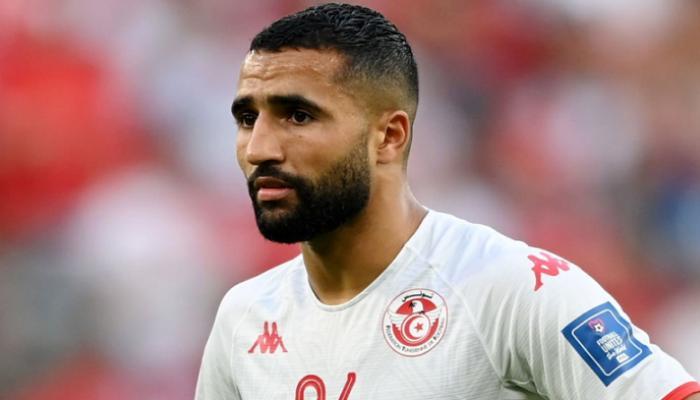
Defender Ali Al-Abdi became the central image of this heartbreak, as he was seen in tears on the pitch, symbolizing the frustration and emotional collapse of the squad after a painful exit.
🏆 A Disappointing Start That Set the Tone
Tunisia entered the tournament with high hopes of delivering a strong performance on the global stage, but the opening match quickly changed the narrative.
A heavy 5-1 defeat against Sweden raised early concerns about the team’s readiness, exposing defensive weaknesses and lack of coordination. That result placed immediate pressure on the squad and the technical staff, creating a difficult environment for recovery.
Instead of bouncing back, Tunisia continued to struggle, with performances that lacked stability, cohesion, and tactical clarity, ultimately leading to an early and painful exit from the competition 📢🏆.
⚽ Coaching Changes That Failed to Save the Campaign
In an attempt to fix the situation, the Tunisian Football Federation made a bold decision during the tournament by replacing the head coach and appointing French manager Hervé Renard.
The hope was that Renard’s international experience would stabilize the team and restore balance quickly. However, the reality of limited preparation time and ongoing instability made the mission extremely difficult.
Despite tactical adjustments, Tunisia failed to show significant improvement against Japan, and the structural problems within the squad remained visible throughout the match 🔥⚽.
😢 Al-Abdi’s Emotional Breakdown
After the final whistle, Ali Al-Abdi gave a deeply emotional interview, visibly shaken by the outcome.
Speaking with pain and disappointment, he apologized to Tunisian fans, admitting that what happened during the tournament was difficult to understand and even harder to accept.
His words reflected not only personal frustration but also collective disappointment within the squad, as players struggled to process the scale of their failure on the world stage 😢💔.
📢 Strong Criticism and Internal Tension
Al-Abdi also delivered indirect criticism regarding the environment surrounding the team, pointing out that rumors and external pressure negatively affected the squad’s focus.
He emphasized that such distractions did not serve the national team and only added to the instability during a crucial competition period.
His remarks hinted at deeper internal issues, suggesting that Tunisia entered the tournament without the calm and unified environment needed for success at this level 🔥📢.
🏗️ Lack of Stability in Team Building
One of the key themes in Al-Abdi’s comments was the lack of stability in squad building.
He noted that Tunisia arrived at the World Cup with many new players who had not played enough matches together, resulting in poor chemistry and limited understanding on the pitch.
In contrast, he pointed to teams like Japan, which benefited from maintaining a stable core group that developed over multiple tournaments, allowing for stronger cohesion and tactical discipline ⭐⚽.
This difference in preparation proved decisive during the competition.
⚽ Why Did Tunisia Collapse?
Tunisia’s early exit raises important questions about the root causes of their failure.
Beyond individual performances, the issues appear to be structural: lack of continuity, frequent changes in technical direction, and insufficient preparation time for building a cohesive squad.
Pressure from expectations and external criticism also played a role in increasing tension within the camp, affecting confidence and performance levels throughout the tournament 📊🔥.
🌍 Lessons for the Future
Despite the disappointment, Tunisia’s World Cup experience may serve as an important lesson for the future.
Successful national teams are built over time, not in rushed cycles before major tournaments. Stability, long-term planning, and consistent player development are essential ingredients for competitiveness at the highest level.
Tunisia now faces a crucial opportunity to reassess its football project, focus on rebuilding, and create a more stable foundation for future international competitions ⚽🏆.
✨ Final Thoughts
Tunisia’s journey at World Cup 2026 ended in heartbreak, with Ali Al-Abdi’s tears becoming the defining image of a disappointing campaign.
The question now is whether this painful exit will trigger real structural change or become another missed opportunity for the “Eagles of Carthage.”
What do you think caused Tunisia’s collapse in the World Cup 2026? Share your opinion ⚽🔥💔