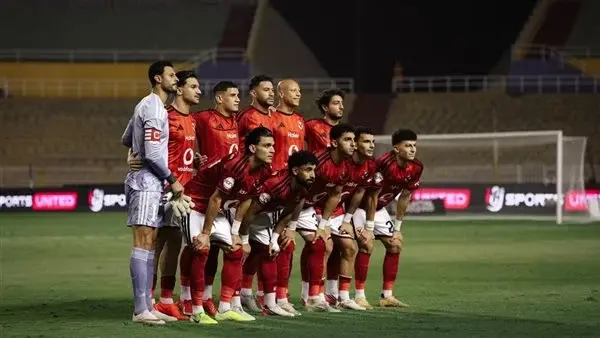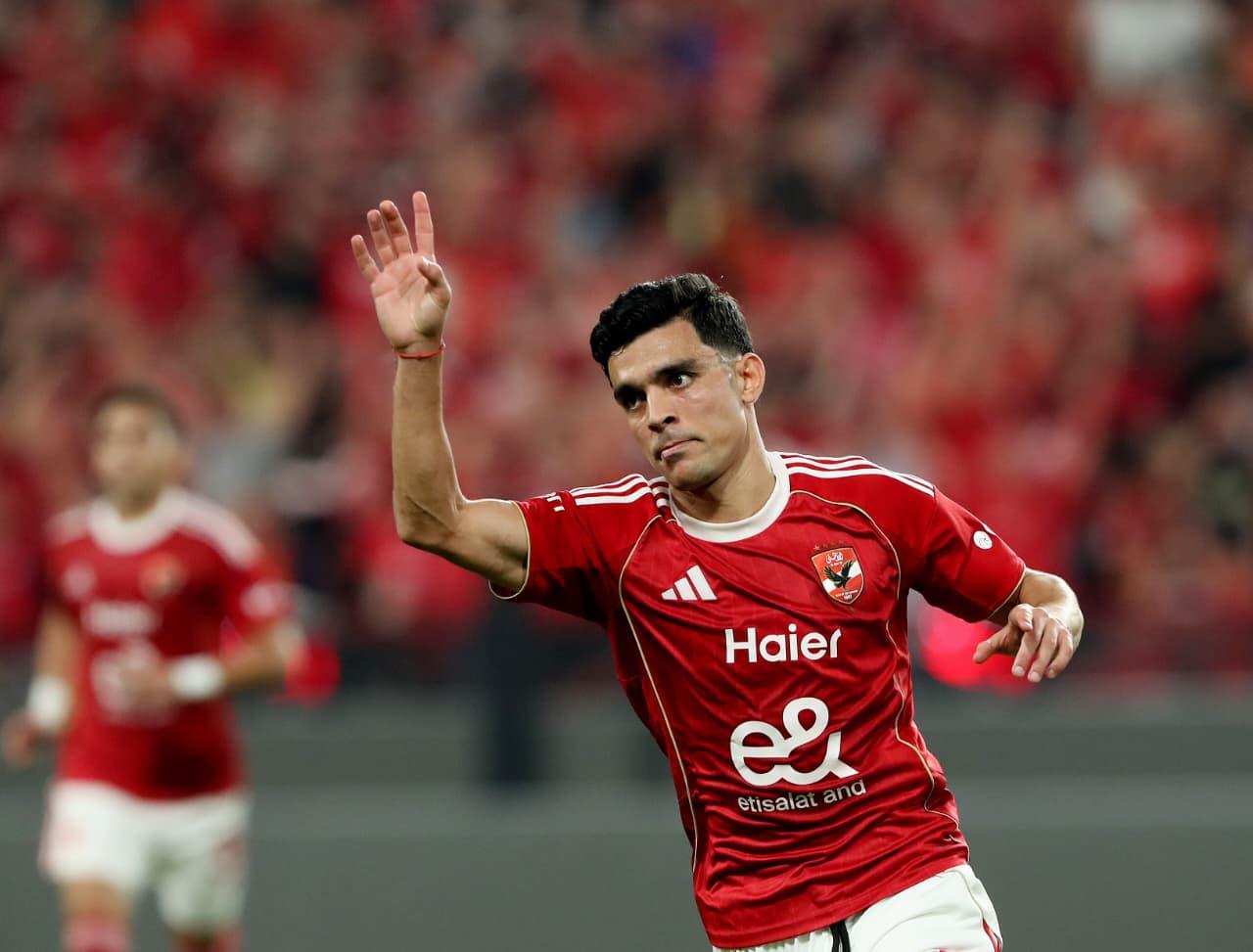

The Egyptian Premier League 2026/27 features a notable international presence, with 100 foreign players representing 29 nationalities from four continents.
Nigeria leads the list with 14 players, while Arab footballers account for 41 players in total. Morocco and Palestine are the leading Arab nationalities with 12 players each.
The wide range of nationalities demonstrates the expanding transfer market used by Egyptian clubs and the growing variety of footballing backgrounds represented in the league.
Nigeria Leads the Foreign Player List
Nigeria is the most represented foreign nationality in the Egyptian Premier League, with 14 players.
Nigerian Players in the Egyptian Premier League
- Samuel Amosun – Pyramids
- Sodiq Ojugula – Ceramica
- Rashid Ahmed – ZED
- Gabriel Chukwuodi – Smouha
- Emmanuel Nwoye – Smouha
- Saviour Isaac – Al Ittihad Alexandria
- Joseph Armola – Al Ittihad Alexandria
- John Ebuka – Al Ittihad Alexandria
- Abu Bakr Liadi – El Suez
- Godwin Chika – El Suez
- Ayodele Ismail – Modern Sport
- Ogo Samuel – El Gouna
- Alabi Florin Salam – Petrojet
- Joshua Ejaghi – Petrojet
Morocco and Palestine Lead the Arab Nationalities
Morocco and Palestine are the two most represented Arab nationalities, with 12 players each.
Together, the two countries account for 24 players in the competition.
Moroccan Players
- Achraf Dari – Al Ahly
- Achraf Bencharki – Al Ahly
- Reda Slim – Al Ahly
- Soufiane Ben Jedida – Al Ahly
- Mohamed Chibi – Pyramids
- Walid El Karti – Pyramids
- Mohamed Bentaieb – Zamalek
- Ahmed Belhaj – Ceramica
- Abdullah Al-Zayani – Al Masry
- Marouane Hajjaj – ZED
- Seif Teka – Wadi Degla
- Walid Benbla – Talae El Gaish
Palestinian Players
- Hamed Hamdan – Pyramids
- Adam Kaied – Zamalek
- Oday Dabbagh – Palestine
- Khaled Al-Nabris – Ceramica
- Amideh Sawafteh – Al Masry
- Mustafa Zidan – Al Masry
- Wajdi Nabhan – ZED
- Mohamed Sandouqa – Arab Contractors
- Anas Bani Odeh – Arab Contractors
- Abdul Hadi Rashed – El Suez
- Badr Mousa – El Suez
- Bashar Nasser – Abu Qir Fertilizers
Algeria Ranks Fourth in Foreign Representation
Algeria is represented by eight players:
- Moncef Bakrar – Al Ahly
- Nadhir Benbouali – Pyramids
- Abdelrahim Deghmoum – Al Masry
- Khair Eddine Toual – Al Masry
- Monzer Tamine – Al Masry
- Salah Bouchama – National Bank
- Fares Nachat – Ghazl El Mahalla
- Adam Redjem – Modern Sport
Ghana and Tunisia Also Have Strong Representation
Ghana has six players in the competition, while Tunisia is represented by five.
Ghanaian Players
- Justice Arthur – Ceramica
- Fayeze Ahmed – El Suez
- Michael Efson – Modern Sport
- Hafiz Ibrahim – El Qanah
- Mawuli Wayo – El Qanah
- Rudolf Mensah – El Qanah
Tunisian Players
- Ahmed El-Gefali – Zamalek
- Ahmed Oulad Bahia – Arab Contractors
- Rached Arfaoui – Ghazl El Mahalla
- Hossameddine Souissi – Talae El Gaish
- Ahmed Mezoud – Modern Sport
Cameroon, Ivory Coast, Uganda, Mauritania and Togo
Several African countries are represented by multiple players.
Cameroon
Four players:
- Arnold Eba – Modern Sport
- Wilfred Tekeua – El Gouna
- Michael Egbimpa – El Gouna
- Che Bondi – Petrojet
Ivory Coast
Four players:
- Frank Boli – Wadi Degla
- Mohamed Kone – Smouha
- Mory Toure – Ghazl El Mahalla
- Freddy Michael Kouakou – El Suez
Uganda
Three players:
- Kenneth Semakula – Al Ittihad Alexandria
- Joseph Ochaya – Arab Contractors
- Joachim Ojera – Arab Contractors
Mauritania
Three players:
- Maata Majassa – ZED
- Idrissa Thiam – Arab Contractors
- Mohamed Salem Ikbad – Ghazl El Mahalla
Togo
Three players:
- Yaw Annor – National Bank
- Komi Arnou Komlavi – Talae El Gaish
- Ismail Ouro Agoro – Talae El Gaish
Brazil Represents South America
Brazil is among the non-African nationalities represented in the Egyptian Premier League with three players:
- Everton da Silva – Pyramids
- Juan Bezerra – Zamalek
- Francisco Anderson – National Bank
The Brazilian presence highlights the league’s ability to attract players from established footballing markets outside Africa and the Arab world.
Jordan, Zambia, Sierra Leone and Guinea
Several other nationalities are represented by two players each.
Jordan
- Awad Al-Fakhouri – Pyramids
- Mohaysen Abu Jableh – El Qanah
Zambia
- Pascal Vire – Al Ittihad Alexandria
- David Simukonda – El Gouna
Sierra Leone
- Amara Keita – ZED
- Alpha Traore – El Gouna
Guinea
- Alpha Boubacar Keita – National Bank
- Mohamed Kamara – Abu Qir Fertilizers
Senegal
- Osino Budian – Eastern Company
- Papa Badji – Smouha
Other Nationalities in the Egyptian Premier League
The international diversity extends to a number of countries represented by one or two players.
Angola
- Chico Banza – Zamalek
Rwanda
- Clement Niyigena – Smouha
South Africa
- Kegogelo Sejota – El Suez
DR Congo
- Saidi Kibo – Ghazl El Mahalla
Benin
- Adedjiko Samadou – Smouha
- Doku Dodo – Arab Contractors
Eritrea
- Ali Suleiman – Al Masry
Liberia
- Solahmana Mamadou Bah – ZED
Burkina Faso
- Cyril Dao – National Bank
Tanzania
- Arafat Masoud – Eastern Company
Slovenia
- Njegic Gradisar – Ceramica
Iraq
- Peter Korkis – Ceramica
Lebanon
- Rami Najjarine – El Qanah
41 Arab Players in the Egyptian Premier League
The presence of 41 Arab players represents a significant share of the foreign-player pool.
Morocco and Palestine lead the Arab nationalities with 12 players each, followed by Algeria and Tunisia, along with players from Jordan, Iraq, and Lebanon.
Why Do Egyptian Clubs Sign Arab Players?
Geographical proximity, cultural similarities, language, and familiarity with regional football can help Arab players adapt more quickly to the Egyptian competition.
Four Continents Represented in the League
The Egyptian Premier League’s foreign-player landscape stretches across four continents.
Africa dominates numerically, while Asia, Europe, and South America are also represented.
A Variety of Footballing Schools
The presence of players from different footballing cultures brings tactical, technical, and physical variety to the competition.
It also gives Egyptian clubs access to different styles of play and broader scouting markets.
Egyptian Clubs and Their Foreign Players
Foreign players are spread across a wide range of clubs, including major contenders such as Al Ahly, Zamalek, and Pyramids, alongside Ceramica, Smouha, Al Masry, ZED, Al Ittihad Alexandria, Arab Contractors, Modern Sport, and several other teams.
This distribution reflects the increasingly broad use of foreign recruitment across the Egyptian Premier League.
Conclusion: 100 Foreign Players From 29 Nationalities
The 2026/27 Egyptian Premier League features 100 foreign players representing 29 nationalities across four continents.
Nigeria leads the overall list with 14 players, while Morocco and Palestine top the Arab representation with 12 players each. Algeria follows with eight, Ghana with six, and Tunisia with five.
The numbers highlight the increasingly diverse nature of the Egyptian league, which continues to attract players from a wide range of footballing backgrounds and regions.
How many foreign players are in the Egyptian Premier League?
There are 100 foreign players in the 2026/27 season.
How many nationalities are represented?
Players represent 29 nationalities from four continents.
Which nationality has the most players?
Nigeria leads with 14 players.
How many Arab players are in the league?
There are 41 Arab players.
Which Arab nationalities are most represented?
Morocco and Palestine lead with 12 players each.