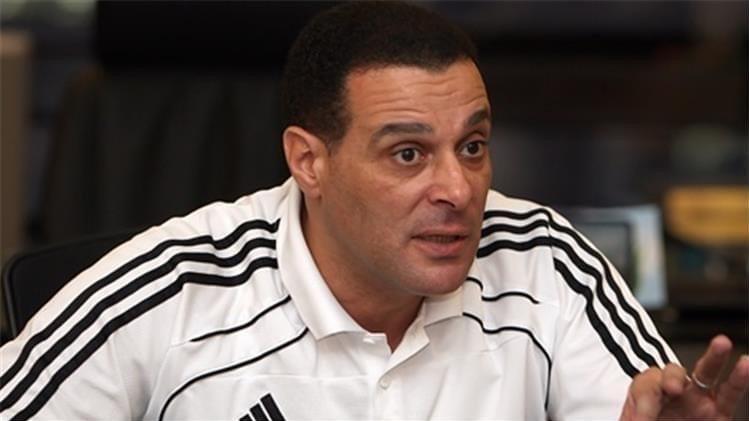

Essam Abdel Fattah, chairman of the Referees Committee, confirmed that the coming period will see greater transparency in dealing with controversial refereeing incidents, stressing that referees who are proven to have made mistakes will be held accountable while all incidents will be reviewed objectively.
His comments come amid the controversy surrounding several refereeing decisions at the beginning of the season, as well as the dispute over reports that referee Mohamed Maarouf spoke to Wael Gomaa during the Al Ahly-ZED match and the subsequent calls for the release of VAR room recordings. ⚽🔥
Refereeing Incidents to Be Analyzed Through the Football Association
Essam Abdel Fattah revealed that all controversial refereeing incidents from league matches will be analyzed through the Egyptian Football Association’s official page, stressing that the objective is to explain decisions and assess referees’ performances more objectively.
He explained that referees proven to have made errors will be held accountable, sending a clear message that the Referees Committee intends to deal with mistakes through a defined evaluation process rather than ignoring them or defending them without proper assessment.
Abdel Fattah stressed that the analysis will be conducted objectively in order to determine whether decisions made on the pitch were correct. ⭐
Press Conference to Clarify the Facts
The Referees Committee chairman indicated that there is an intention to hold a press conference in the coming period to clarify several issues and respond to what he described as inaccurate information circulated recently.
The potential press conference comes amid increased debate over refereeing performances and the committee’s desire to address information that has been circulating without official clarification.
It could provide the committee with an opportunity to explain its working methods and the standards used to evaluate controversial incidents and refereeing decisions.
Mohamed Maarouf Denies the Ali Mahmoud Incident
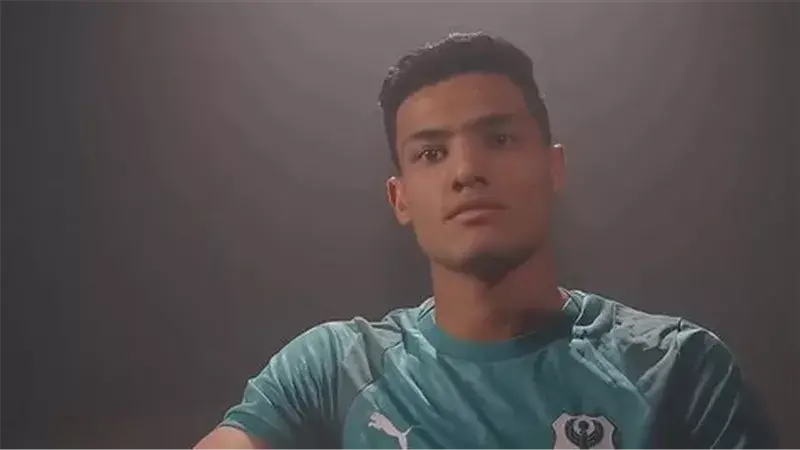
Essam Abdel Fattah also discussed the controversy surrounding referee Mohamed Maarouf and reports of a conversation involving Al Ahly player Ali Mahmoud during the ZED match.
Abdel Fattah confirmed that Mohamed Maarouf denied the reported conversation involving the player, noting that the matter remains one of the developing issues currently being examined.
The comments come amid conflicting accounts regarding the incident, making the VAR room recordings a major point of interest for the different parties involved. 📢
Will VAR Room Recordings Be Released?
Essam Abdel Fattah confirmed that he has no objection to releasing VAR room recordings, but stressed that any such decision must be made through the Egyptian Football Association and through official procedures.
He explained that releasing recordings randomly could create a state of disorder, meaning the matter must be handled through the institution responsible for the refereeing system.
This means that any release of recordings, should such a decision be made, would depend on the formal procedures established by the Football Association.
“Everything Must Go Through the Football Association”
Abdel Fattah stressed that all steps relating to recordings and refereeing incidents must go through the Football Association and follow a clear framework.
This is particularly important because VAR room recordings can contain conversations between match officials while they deal with decisive incidents.
For that reason, the Referees Committee chairman believes that any decision to release such material must be properly organized to prevent uncontrolled circulation of refereeing communications.
Egyptian Referee for the Derby Considered Difficult
Abdel Fattah also stated that staging the upcoming major derby with an Egyptian referee would be difficult amid the current level of accusations and controversy surrounding the refereeing system.
The comment reflects the pressure facing Egyptian referees, particularly in matches that attract major public and media attention, where every decision becomes subject to intense scrutiny and analysis.
Abdel Fattah believes that continued accusations could make it more difficult to appoint an Egyptian referee for major matches, given the need to provide officials with the appropriate environment to make decisions without excessive pressure.
Abdel Fattah Cites FIFA Analysis of Egyptian Incidents
The Referees Committee chairman stated that several refereeing incidents in Egypt had been analyzed by FIFA and were judged to have passed without refereeing errors, according to his comments.
He also noted that some Egyptian referees had viewed certain incidents as deserving a red card, which he described as a serious matter from his perspective.
The comments highlight the differences that can sometimes arise when incidents are evaluated, making consistent standards and interpretation particularly important for the Referees Committee.
Supporting Referees While Holding Them Accountable
Essam Abdel Fattah’s message is based on balancing support for referees with accountability when an official is proven to have made a mistake, while emphasizing that incidents must be analyzed objectively.
Through this approach, the Referees Committee aims to address refereeing controversy through technical evaluation rather than relying solely on reactions.
Publishing analysis through the Football Association’s official page, alongside the possibility of a press conference, could also give clubs and supporters greater understanding of controversial decisions.
Transparency Now Faces the Test of Implementation
The real challenge for the Referees Committee in the coming period will be turning these statements into practical measures, particularly because refereeing controversy has become a major topic since the beginning of the season.
Clarifying incidents, holding referees accountable when necessary and determining the official position regarding VAR recordings will be among the issues that shape how the crisis is handled in the coming period.
✨ Between calls for the release of recordings, plans to analyze incidents and warnings that referees who make mistakes will be held accountable, the Referees Committee appears to be preparing for a more transparent approach to refereeing controversy.
📢 Do you support releasing VAR recordings in cases that generate major controversy? Do you believe incident analysis and referee accountability can restore confidence in Egyptian refereeing? Share your opinion in the comments. ⚽🔥