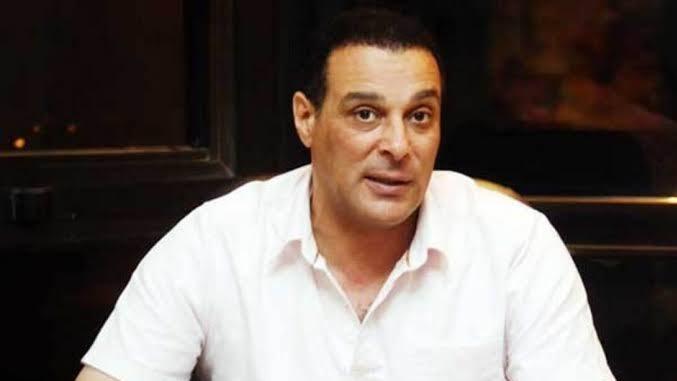

Essam Abdel Fattah, chairman of the Referees Committee, confirmed that the second round of the Egyptian Premier League witnessed several refereeing errors, stressing that the current stage requires rebuilding the refereeing system and restoring confidence between referees, clubs and all members of the football community. ⚽🔥
His comments come amid controversy surrounding the beginning of the season, particularly after several refereeing incidents generated significant debate among supporters, clubs and the media, placing the Referees Committee under considerable pressure to correct the situation during the coming rounds.
Abdel Fattah explained that the main objective is to improve Egyptian refereeing standards while dealing openly with mistakes and holding those responsible accountable rather than ignoring errors or allowing them to accumulate over time.
Essam Abdel Fattah: The Second Round Was Not Perfect
Speaking to journalist Karim Ramzy on Mega FM Radio, Essam Abdel Fattah said the first round of the Egyptian Premier League featured a very good refereeing performance in his assessment, but the picture changed during the second round.
The Referees Committee chairman rated the officiating in the second round at 7.5 out of 10, indicating that there were mistakes that must be reviewed and corrected during the coming period.
The rating reflects the committee’s willingness to acknowledge areas that require improvement rather than presenting an ideal picture of the refereeing system despite the controversial incidents.
Criticism and Attacks on Refereeing
Abdel Fattah also discussed criticism directed toward Egyptian refereeing, referring to what he described as “wars” involving certain individuals and media personalities seeking to cast doubt on refereeing integrity.
He stressed that members of the refereeing system would not sacrifice their reputations for a particular club or individual, emphasizing that the issue concerns people’s reputations, integrity and ethics.
The Referees Committee chairman called on all parties to discuss refereeing errors objectively rather than turning every controversial decision into a direct accusation against a referee or the entire system. 📢
“We Took Over the Committee in a Disastrous Situation”
Essam Abdel Fattah explained that the current committee inherited the refereeing system under extremely difficult circumstances, with many issues requiring restructuring and correction.
He said the committee is trying to rebuild the system from the beginning despite the difficult task, with the objective of raising the standard of Egyptian refereeing.
Abdel Fattah believes reform requires time and cooperation from all parties, particularly because accumulated problems cannot be solved immediately but instead require continuous work, evaluation and referee development. 🏆
Refereeing Has Become the Weakest Link
The Referees Committee chairman stressed that refereeing has become the weakest link in the Egyptian football system over recent years, arguing that continued attacks without collective support only weaken the system further.
He emphasized that referees need genuine support while mistakes must also be acknowledged when they occur, because protecting refereeing does not mean ignoring incorrect decisions.
Abdel Fattah believes improving Egyptian referees should be a shared responsibility involving the Football Association, Referees Committee, clubs, media and supporters.
Referees to Be Held Accountable Retroactively
Essam Abdel Fattah revealed that the Referees Committee intends to hold referees accountable retroactively, as part of an effort to review decisions involving errors from previous matches.
The move is part of a continuous evaluation process designed to assess each referee, identify strengths and weaknesses and take appropriate decisions regarding appointments, development or exclusion from certain fixtures depending on performance.
Accountability is an important part of any professional system, particularly when refereeing decisions can have a direct impact on match results.
Criticism of Previous Officials
Abdel Fattah criticized some former members of the Referees Committee, questioning why officials remained in their positions despite mistakes that, in his view, should have triggered intervention.
He questioned how officials could accept continuing to work while refereeing performances were below the required standard, emphasizing that administrative responsibility requires clear action when performance is poor.
He also called for greater intervention from the Football Association to support the refereeing system, protect it and help develop it.
“We Are Starting a New Page”
The Referees Committee chairman confirmed that the current committee wants to start a new page with referees and clubs while moving beyond the confrontational atmosphere of the past period.
The objective, he explained, is not to defend every refereeing decision but to establish a system based on evaluation, accountability and development while giving Egyptian referees a genuine opportunity to improve.
This vision requires cooperation from clubs because disagreement with refereeing decisions is a natural part of football, but turning every incident into a crisis can affect referees psychologically and increase the pressure they face.
Football Association Must Intervene
Abdel Fattah concluded by emphasizing the need for the Football Association to intervene and support the refereeing system, particularly amid increasing criticism and attacks on match officials.
He believes refereeing development cannot be achieved by the Referees Committee alone but requires a comprehensive project involving training, evaluation, support, protection and accountability.
Improving relations between referees and clubs could also create a more stable environment and allow officials to make decisions with less external pressure.
Refereeing Faces a Major Test
The second round has placed the Referees Committee before an important test, particularly after acknowledging refereeing errors and emphasizing the need to prevent their recurrence.
The biggest challenge now is turning the statements into practical measures through incident analysis, referee accountability, development of current officials and promotion of new referees capable of handling Premier League matches.
✨ Between acknowledging mistakes, calling for retroactive referee accountability and opening a new page with clubs, the Referees Committee appears to be entering a new phase aimed at rebuilding trust in Egyptian refereeing.
📢 Do you think a 7.5/10 rating for refereeing in the second round is fair? Do you support holding referees accountable retroactively after influential mistakes? Share your opinion in the comments. ⚽🔥