Gehad Grisha Offers the Decisive Solution.. Should the Al Ahly vs ZED Recording Be Broadcast?
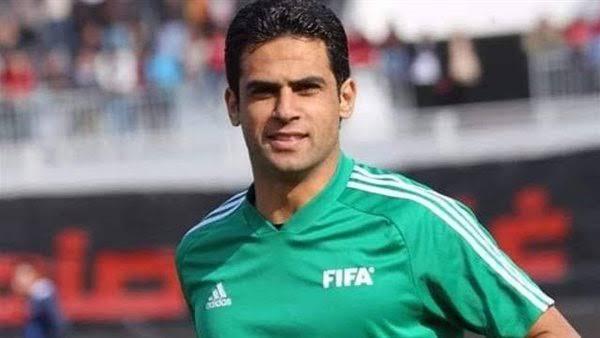
Former international referee Gehad Grisha gives his view on the Al Ahly-ZED recording controversy and calls for the audio to be released publicly to settle the debate surrounding Karim Hassan Shehata’s claims.
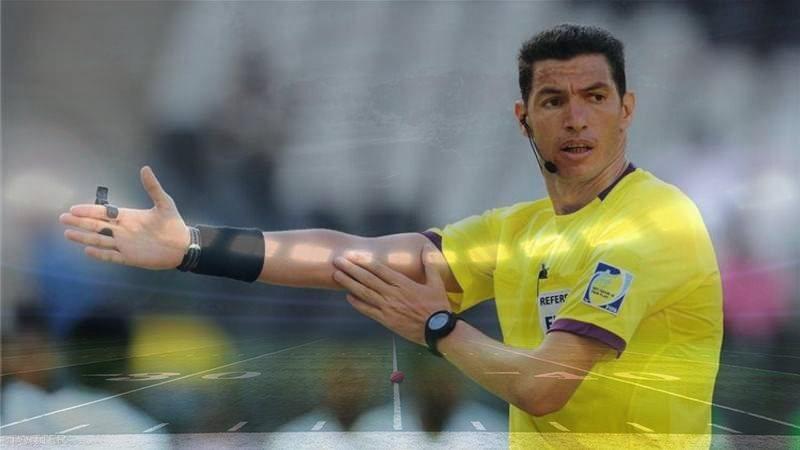
The controversy surrounding the Al Ahly vs ZED match recording has returned to the spotlight after former international referee Gehad Grisha proposed a direct solution to end the dispute, stressing that making the recording available to the public could be the fastest way to settle the issue and reveal the full truth. ⚽🔥
Grisha’s comments come amid continued debate over what happened between referee Mohamed Maarouf and Wael Gomaa during the match and the claims involving Al Ahly player Ali Mahmoud, particularly after media statements triggered the controversy and brought the incident into a wider dispute involving supporters, journalists and the refereeing system.
Gehad Grisha: The Recording Is the Solution
Gehad Grisha believes the best option for the Refereeing Committee at the moment is to release the match audio to the public, explaining that listening to the actual conversation would eliminate much of the speculation and uncertainty.
The former international referee said that if he were currently in charge of the Refereeing Committee, he would choose to broadcast the recording from the Al Ahly-ZED match through the Football Association’s official page.
He stressed that handling the case in this way would allow the public to hear exactly what was said instead of relying on conflicting accounts or clips that may not present the complete picture. 📢
Transparency Can Settle the Refereeing Crisis
Grisha emphasized that transparency should be a central element in dealing with controversial refereeing cases, particularly when an incident attracts major public and media attention.
From his perspective, releasing the complete recording could end accusations from different sides and allow supporters to evaluate the incident based on what actually happened rather than on circulating information or assumptions.
Such a step could also protect the referee if the recording proves that the claims against him were inaccurate, while potentially revealing any violation if the allegations are confirmed.
A Previous Experience Involving Al Ahly and Ceramica
Gehad Grisha referred to a previous controversial incident involving Al Ahly and Ceramica Cleopatra when he was part of the former Refereeing Committee.
He explained that he spoke with Al Ahly officials at the time and told them that if he had been the head of the Refereeing Committee, he would have chosen to release the Video Assistant Referee room recording publicly.
At the same time, he stressed that the decision was not his to make individually because authority belonged to the Refereeing Committee and the Football Association.
The previous incident demonstrates that releasing referee recordings is not a new idea for Grisha but rather part of a broader position he has expressed regarding the importance of transparency within the refereeing system. 🎥
Supporting Egyptian Referees While Highlighting Problems
Grisha confirmed his support for Egyptian referees but stressed that supporting officials does not mean ignoring their mistakes.
He explained that positive aspects should be praised while negative aspects should be discussed and addressed, emphasizing that his criticism is based on performance evaluation rather than personal attacks.
His position comes at a time when Egyptian refereeing is facing increasing pressure at the beginning of the season, particularly as expectations surrounding referees and VAR continue to rise.
Warning About a Possible Foreign Expert
Gehad Grisha also suggested that continued mistakes or failures within the refereeing system could lead to renewed calls for the appointment of a foreign expert to head the Refereeing Committee.
This point reflects the major responsibility placed on the current committee, which is attempting to demonstrate its ability to manage the domestic system and improve refereeing standards.
For that reason, transparent handling of controversial incidents could be an important step toward rebuilding trust among clubs and supporters in Egyptian refereeing.
The Recording Controversy Between Resolution and Debate
The recording from the Al Ahly-ZED match has become a central element in the dispute, particularly because making it public could eliminate different interpretations of what happened.
At the same time, the decision to release such recordings remains subject to regulations and the authorities responsible for them, meaning the case remains open pending the official decision.
✨ Gehad Grisha puts transparency at the center of his proposed solution, believing that broadcasting the Al Ahly-ZED recording could be the clearest step toward settling the controversy and revealing the truth to everyone.
📢 Do you support releasing the complete audio recording from the Al Ahly-ZED match? Do you believe doing so would finally end the controversy? Share your opinion. ⚽🔥
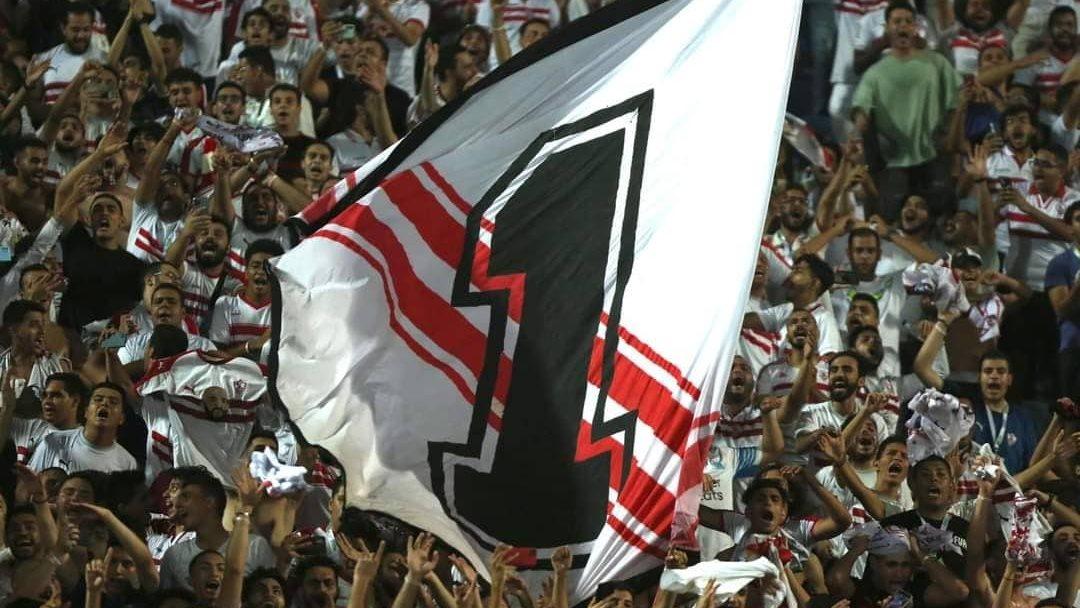
Zamalek are preparing for their African campaign with up to 40,000 fans allowed to attend each of their two matches against Djibouti’s Minaa, as the team targets a strong start and qualification.
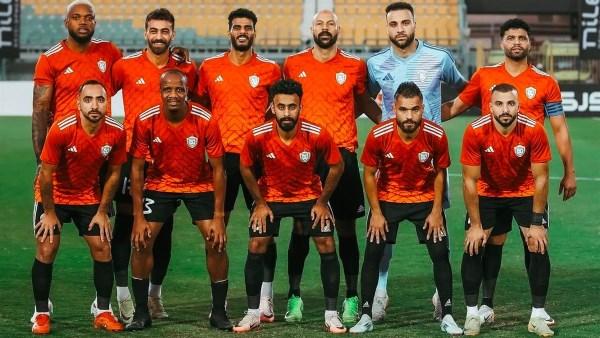
Talaea El Gaish announce their lineup for the third-round Egyptian Premier League clash against ZED, aiming to maintain their strong start and collect another victory that would strengthen their position among the leading teams.
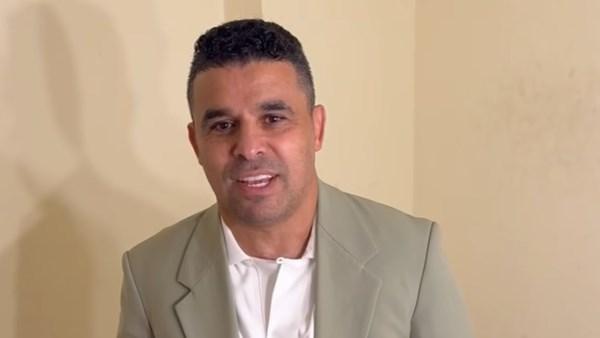
Khaled El-Ghandour praises Zamalek’s youth academy, stressing that the club possesses a group of talented players capable of supporting the first team, led by Mohamed El-Sayed and several promising names.
Hany Hethout reveals new details about the Mohamed Maarouf and Wael Gomaa controversy, explaining why the Refereeing Committee rejected publishing VAR recordings while confirming clubs’ right to access them under specific regulations.
