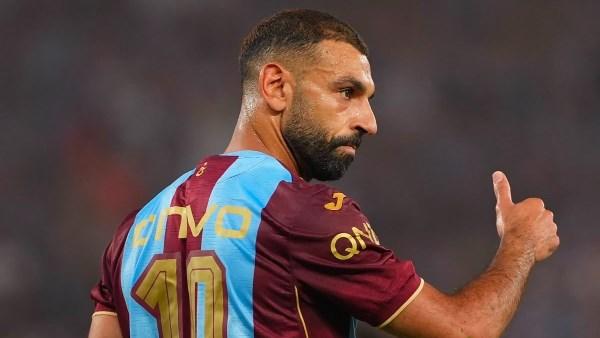

The name of Egyptian star Mohamed Salah has sparked controversy in Turkey, but this time not because of his goals or performances on the pitch. Instead, his name became the center of a cultural and linguistic debate over the way it is shortened to “Mo” in some sporting and media circles. ⚽🔥
The discussion followed an article by Turkish writer Salih Tuna, who strongly criticized the use of “Mo” when referring to Mohamed Salah, arguing that the issue goes beyond being a simple nickname used for one of the most famous footballers in the world.
Why Did the Turkish Writer Object to “Mo”?
Salih Tuna focused on the way Mohamed Salah’s name is used in Turkey, expressing his objection to replacing the full name with “Mo.”
The writer argued that the nickname originally became popular in English-speaking circles because the name Mohamed can be difficult for some English speakers to pronounce, eventually making “Mo” closely associated with the Egyptian star during his European career.
However, Tuna believes that using the shortened version in Turkey raises a different question, particularly because Turkish language and culture have historically had a strong relationship with Arabic and Islamic names compared with some Western languages and cultures. 📢
“Mo” Turns From a Nickname Into an Identity Issue
The writer did not treat the matter as merely a question of pronunciation, but instead connected it to a broader idea involving cultural identity.
According to his argument, repeatedly using Western versions of Islamic names without considering their meaning or origins can reflect a kind of surrendering of cultural identity in favor of linguistic patterns that originated elsewhere.
Tuna described this as a form of “mental colonialism,” arguing that people may adopt certain expressions simply because they have become globally popular without considering how closely those expressions fit their own language and culture.
Mohamed Salah.. A Global Name With Turkish Dimensions
Mohamed Salah is one of the most famous footballers in the world, meaning his name is naturally spoken and written across many different languages and dialects, resulting in several variations in pronunciation and form.
In English football culture, “Mo” became a highly recognizable nickname for the Egyptian star, particularly after his enormous popularity during his years in the Premier League.
However, the Turkish debate has raised a simple question with wider cultural implications: Should people’s names be changed to fit pronunciation patterns in every country, or should the original name be preserved as much as possible? ⭐
The Example of Benjamin Bouchouari
The Turkish writer did not limit his discussion to Mohamed Salah, but also presented other examples involving names with Arabic or Islamic roots.
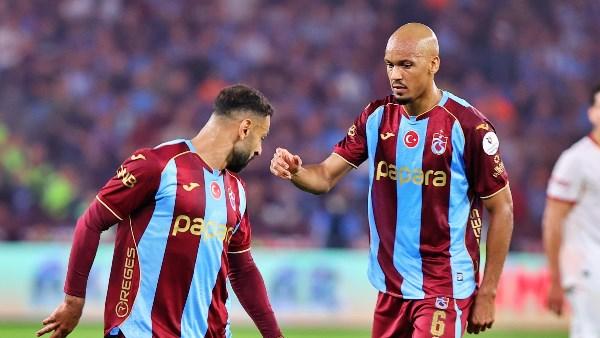
He referred to Trabzonspor player Benjamin Bouchouari, noting that the name commonly recognized in Turkish and Islamic culture is “Benyamin,” while some official records display the Western-style form “Benjamin.”
Tuna argues that such differences may appear minor, but they can sometimes reflect the influence of the way names are transferred from one language to another and the extent to which institutions and supporters follow local pronunciation or Western forms.
The Name Omar Also Enters the Debate
The writer also mentioned the name Omar, explaining that its pronunciation in Turkish differs from some Western versions. In Turkish usage, it may sound closer to “Omer,” while other Western forms may sometimes be used.
According to the writer, these examples show that the issue is not limited to Mohamed Salah’s name, but is part of a broader question involving how names move between different cultures and languages.
Nevertheless, he emphasized that the issue that bothers him most is shortening “Mohamed” to “Mo,” because the name carries significant religious and cultural value for millions of Muslims around the world. 🏆
The Debate Goes Beyond Football
What makes the issue particularly interesting is that Mohamed Salah’s name, usually discussed in connection with goals, records, and trophies, has now become the subject of a debate about language, culture, and identity.
The incident also demonstrates the enormous global influence enjoyed by Salah, to the extent that the way his name is used can generate discussions extending far beyond sport.
Salah’s international popularity has also made him a clear example of how Arabic names are transferred into different languages and how that process can sometimes involve changes in pronunciation or the use of shortened forms.
Is “Mo” Just a Nickname or a Cultural Problem?
From a sporting perspective, “Mo” has become extremely familiar to football supporters around the world, with many fans using it simply as a common nickname for Mohamed Salah.
From a cultural perspective, however, Salih Tuna believes the issue deserves attention, especially when the nickname is used in an environment that has historically and culturally been closely connected to Islamic and Arabic names.
Ultimately, the debate over Mohamed Salah’s name represents an interesting intersection between football, language, and identity, at a time when the Egyptian superstar has become a global figure whose influence extends far beyond the football pitch. ⚽✨
The question remains open: Do you see “Mo” as a harmless and popular nickname for Mohamed Salah, or is preserving the name “Mohamed” more important from a cultural perspective? Share your opinion in the comments, and tell us whether you have used “Mo” when referring to the Egyptian star. 🔥