It’s Not Only About Star Signings.. Walid Ghleis Reveals the Secret Behind Gulf Leagues’ Major Growth
Gulf football analyst Walid Ghleis confirmed that the recent rise of Gulf leagues is not based only on signing global stars, but on a complete strategy involving sports investment, infrastructure development, talent growth, and modern technologies.
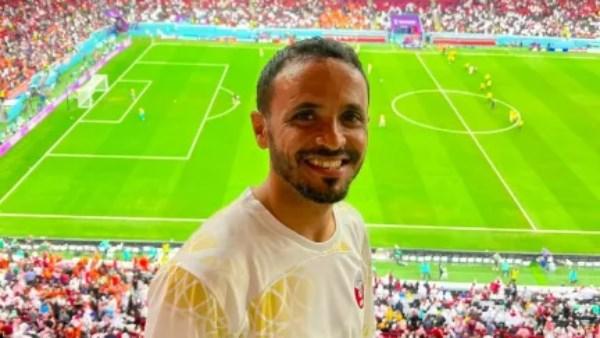

🔥 Gulf Leagues Enter a New Era of Professionalism
Gulf football has witnessed major development in recent years, with domestic competitions becoming more competitive and exciting. Success is no longer linked only to signing famous international stars, but has become based on a complete professional system designed to create long-term sustainability. ⚽
Gulf football analyst Walid Ghleis explained that the progress of Gulf leagues came as a result of long-term strategic plans focused on sports investment and improving all aspects of the game, which has clearly affected the quality of competition on the field.
📢 Sports Investment.. The Key to Success
Ghleis explained that signing world-class players and top coaches contributed to increasing the strength of Gulf leagues, but it is not the only reason behind their success. He emphasized that the real foundation lies in building a complete system starting from youth development and extending to improving sports management within clubs. 🏆
He noted that Gulf clubs have become more focused on establishing advanced academies to discover talents, developing technical and administrative staff, and benefiting from international expertise in coaching and sports planning.
⭐ Infrastructure Development and Administrative Stability Improve Competition
Ghleis highlighted that improving sports facilities and infrastructure has been one of the most important factors behind Gulf football’s growth, as many clubs now have high-level stadiums and facilities that help players perform at their best.
He also stressed that administrative stability has played a major role in improving the quality of work through clear plans and long-term goals instead of temporary decisions.
These factors have helped reduce the gap between teams, making competition no longer limited to a small number of clubs, as more teams now have the ability to achieve strong results and compete for titles.
🔥 Competition Is No Longer Based Only on Big Names
The Gulf analyst explained that the strength of leagues is no longer measured only by the number of famous players, but also by teamwork, technical planning, and the ability of clubs to use available resources effectively.
He confirmed that higher competition levels have made Gulf tournaments more entertaining and attractive for fans inside and outside the region.
📊 Technology and Data Analysis Transform Football
Walid Ghleis also discussed the important role of technology in developing Gulf football, confirming that performance analysis through statistics and data has become an essential part of evaluating players and creating tactical strategies.
He explained that modern technologies and artificial intelligence have improved match analysis and helped coaching staffs make more accurate decisions, which has raised the technical quality of competitions.
He also pointed out that sports media has developed significantly, as analysts now rely on numbers and tactical analysis instead of general opinions, especially with fans becoming more interested in technical details. 📢
🌟 Sports Marketing Increases the Value of Gulf Leagues
Ghleis confirmed that development has not been limited to the technical side, but has also extended to sports marketing, broadcasting rights, and digital transformation, which have increased the economic value of Gulf leagues.
He explained that strong presence on digital platforms and social media has expanded the fan base and helped Gulf competitions gain more regional and continental recognition.
👥 Young Talents Are the Future of Gulf Football
The Gulf analyst emphasized that investing in young players is the most important element for maintaining success in the coming years, confirming that building a strong base of local talents will directly strengthen clubs and national teams.
He added that combining young players with international experience will provide Gulf football with greater balance and help it compete strongly in continental and international competitions.
✨ Conclusion
The Gulf football experience proves that success does not depend only on attracting major stars, but requires a complete project combining investment, planning, talent development, and modern technology.
🔥 With these continued efforts, Gulf leagues have a great opportunity to keep growing and strengthen their position among Asia’s strongest competitions and on the global stage.

Algerian striker Monsef Bekrar has arrived in Cairo to complete his move to Al Ahly, as the player undergoes medical examinations before signing official contracts in a new step to strengthen the team ahead of the upcoming season.
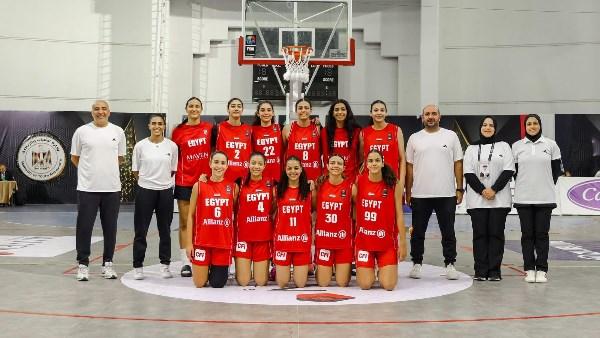
Egypt’s U18 boys and girls basketball teams are preparing for crucial semi-final matches in the Zone 5 qualifiers for the AfroBasket U18 tournaments, as the girls face Tanzania and the boys meet South Sudan with strong ambitions to qualify.
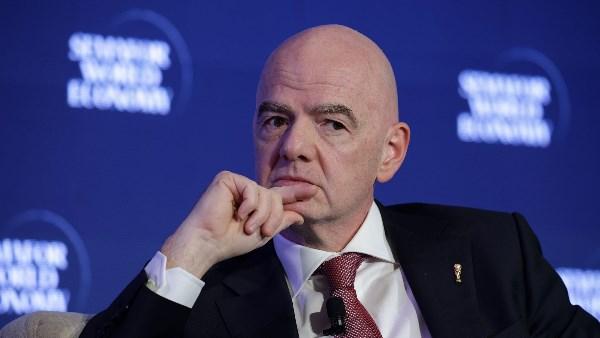
A growing dispute has emerged between FIFA and UEFA after a proposal to create a FIFA-owned commercial company and sell part of its shares, a move that could reshape the financial structure of world football.

Mohamed Magdy Afsha’s future remains under discussion after the end of his loan spell at Al Ittihad Alexandria, with the club considering keeping the player after his impressive performances during his time with the team.
