Khaled El-Ghandour Reveals Zamalek’s Real Treasure.. Youth Talents Could Replace Million-Dollar Signings
Khaled El-Ghandour praises Zamalek’s youth academy, stressing that the club possesses a group of talented players capable of supporting the first team, led by Mohamed El-Sayed and several promising names.
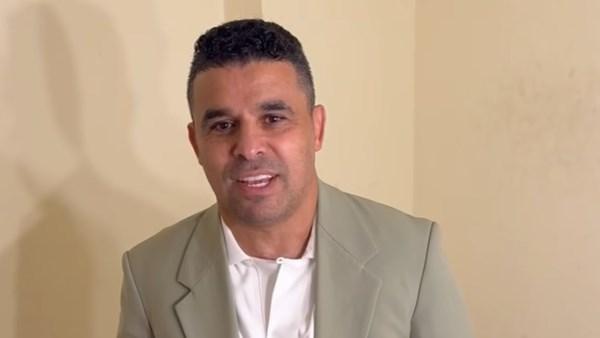
Media personality Khaled El-Ghandour has highlighted an important issue at Zamalek concerning the club’s youth academy, stressing that the White Knights’ young talents represent a genuine asset that can be relied upon to strengthen the first team, particularly at a time when investing in homegrown players has become one of the most important options available to the administration. ⚽🏆
El-Ghandour believes that Zamalek do not always need to search for expensive signings to strengthen the squad while possessing young players who can develop and make an impact if they receive the right opportunities from the coaching staff.
His praise came after Mohamed El-Sayed produced notable performances, with El-Ghandour considering the player an example of the technical value available within Zamalek’s youth structure and stressing that using homegrown players can become both a sporting and financial strength for the club.
Mohamed El-Sayed Attracts Attention
Khaled El-Ghandour highlighted Mohamed El-Sayed, noting that the young player has managed to score and create more than one goal, demonstrating his attacking qualities and ability to make a difference.
El-Ghandour believes that if a player with these qualities were playing outside Zamalek, he could become the target of major transfer deals, which led him to emphasize Mohamed El-Sayed’s value to the White Knights.
The importance of Mohamed El-Sayed lies in the fact that he represents an example of what Zamalek’s youth academy can produce when a young player receives a genuine opportunity with the first team, particularly because confidence and regular playing time can help young talents gain experience and gradually develop.
“If He Were Outside Zamalek, He Would Cost Millions”
El-Ghandour suggested that Mohamed El-Sayed’s value could have become extremely high if the player had been outside Zamalek and the club needed to sign him.
He argued that if the player were outside the White Knights and Zamalek had to purchase him, the deal could have reached millions of dollars, highlighting the fact that the club already possesses players who could save the administration significant amounts of money in the transfer market.
This perspective also highlights the importance of protecting young talents and avoiding rushing decisions regarding their futures, particularly because young players may need time before reaching their best level.
Zamalek’s Signings “Come From Home”
Khaled El-Ghandour considers Zamalek’s strong youth academy a major advantage for the club, describing the possibility of strengthening the first team with players developed inside the club as “Zamalek’s signings coming from home.”
This approach can provide several benefits at the same time. Technically, a homegrown player already understands the club’s culture and environment. Financially, promoting a youth player reduces the need to pay large transfer fees to sign a replacement from another club.
Having young academy players in the first team can also create competition within the squad and give younger players a clear target to reach senior football.
The Youth Academy Is the Real Treasure
El-Ghandour described Zamalek’s youth sector as “the real treasure,” stressing that the club has several other talents who could emerge during the coming period.
This perspective comes as Zamalek seek to build a team capable of competing for many years rather than relying only on short-term solutions through new signings.
Real investment in youth begins with identifying talent and developing it before gradually introducing young players to the first team, supported by a clear plan that helps them move from age-group football into the professional level.
Mohamed Hamad Among the Promising Talents
Khaled El-Ghandour named several players whom he believes deserve attention in the coming period, led by Mohamed Hamad, whom he considers one of the promising figures within the youth sector.
The emergence of new names gives Zamalek supporters another opportunity to imagine a new generation becoming part of the team’s future.
However, the success of this process does not depend on talent alone. It requires patience, sufficient time for development and avoiding excessive pressure on young players during the early stages of their careers.
Hossam Ashour El-Teki and Goalkeeper Omar
El-Ghandour also pointed to Hossam Ashour El-Teki among the talents expected to emerge, alongside Omar, the goalkeeper.
The mention of these names reflects the depth of the talent pool that Zamalek could rely on in the future, particularly because strengthening the first team across different positions remains an important objective for any club seeking to build a balanced squad.
Goalkeeping in particular can be a significant area because discovering and developing a talented goalkeeper within the club can provide a long-term solution in a position that always requires stability and experience.
Why Does Zamalek Need Its Youth Players?
Zamalek must find a balance between signing ready-made players and promoting talents from its youth academy.
Relying on young players does not mean stopping transfer activity. Instead, it allows the club to become more selective in the transfer market and focus spending on positions that genuinely require reinforcement.
A player developed within the club can also become an important sporting asset, whether by remaining with the team and making a contribution or by generating economic value if he eventually moves to another club.
Talent Needs an Opportunity
Having talented players is not enough because young footballers need an environment that helps them develop, a coaching staff willing to provide opportunities at the right time and support from supporters that reduces pressure.
It is also important not to judge a young player based on a single match because limited playing time or inconsistency can affect performance.
For that reason, a successful youth project requires a long-term plan built around gradual development, patience and continuous technical evaluation. 🔥
Mohamed El-Sayed Is a Model Worth Studying
Mohamed El-Sayed’s experience can be viewed as an example of the value that Zamalek’s youth academy can provide.
A player capable of making an attacking contribution at a young age has significant room for development if he receives the right guidance, while his emergence also gives the coaching staff another option without requiring major changes to the squad.
This is why early talent identification and proper preparation are essential to producing players capable of taking responsibility for the first team.
Zamalek Face a Golden Opportunity
Khaled El-Ghandour’s message goes beyond praising one or two players. It places the youth academy at the center of the discussion about Zamalek’s future.
With names such as Mohamed El-Sayed, Mohamed Hamad, Hossam Ashour El-Teki and goalkeeper Omar, the White Knights have a genuine opportunity to benefit from their own players if they are developed through a clear and gradual project.
✨ Zamalek’s youth academy could become one of the most important keys to the club’s future, not only because it produces talented players but also because it combines sporting and economic value while giving the club an opportunity to build a team from within.
📢 Do you agree with Khaled El-Ghandour that Zamalek’s youth academy is the club’s real treasure? Which young player do you expect to become a first-team star in the coming period? Share your opinion. ⚽🏆🔥
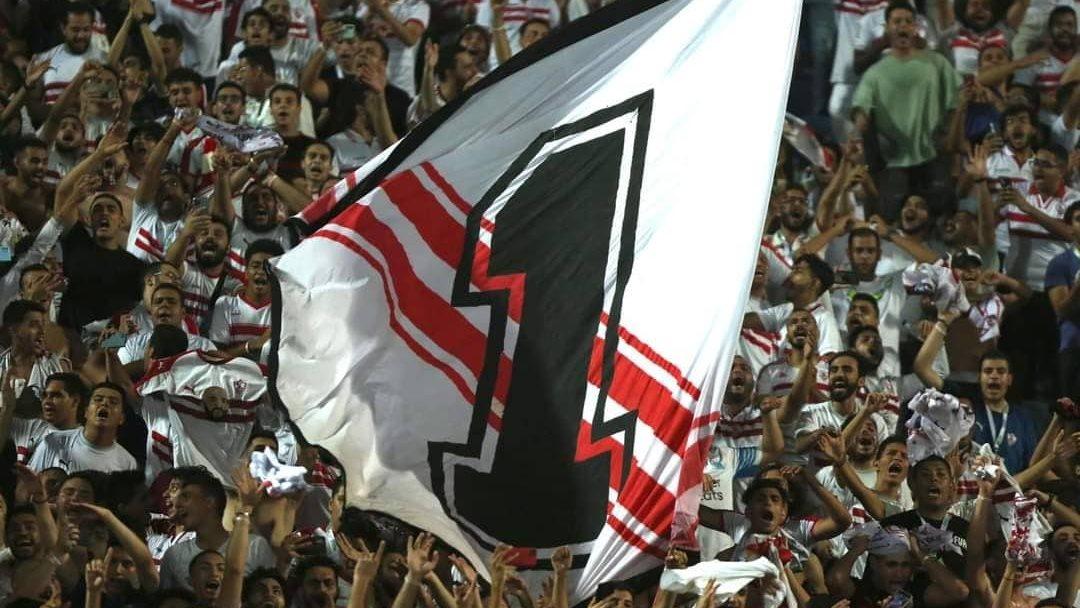
Zamalek are preparing for their African campaign with up to 40,000 fans allowed to attend each of their two matches against Djibouti’s Minaa, as the team targets a strong start and qualification.
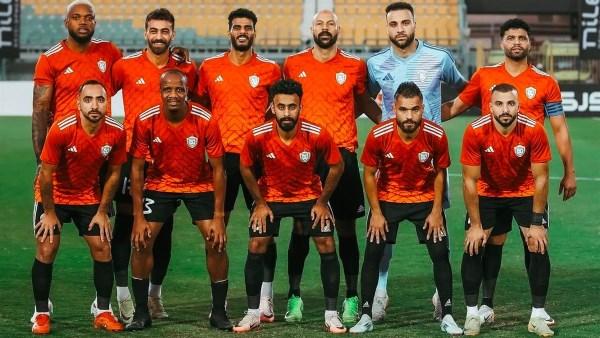
Talaea El Gaish announce their lineup for the third-round Egyptian Premier League clash against ZED, aiming to maintain their strong start and collect another victory that would strengthen their position among the leading teams.
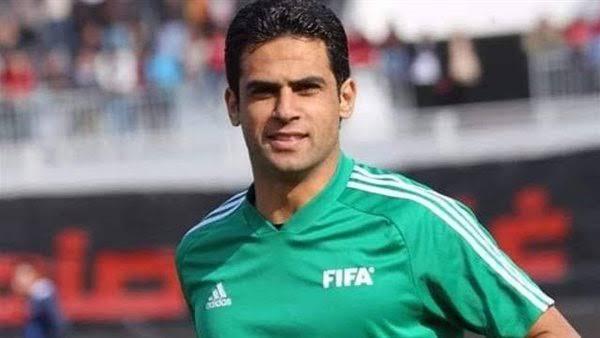
Hany Hethout reveals new details about the Mohamed Maarouf and Wael Gomaa controversy, explaining why the Refereeing Committee rejected publishing VAR recordings while confirming clubs’ right to access them under specific regulations.
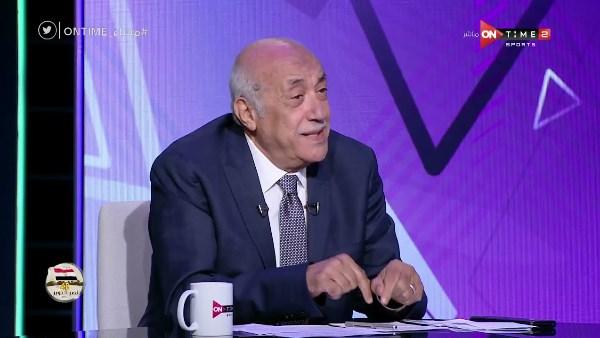
Fathi Sanad discusses Ahmed Fattouh’s absence from Zamalek, stressing that the player possesses great talent but has not returned to his true level for years, following the team’s win over Petrojet.
