
The refereeing committee of the Egyptian Football Association has addressed part of the controversy surrounding the refereeing decisions made during the second round of the Egyptian Premier League, particularly in the matches between Zamalek and National Bank, and Al Ahly and ZED, after several questions were raised over key incidents in both games. ⚽🔥
The developments come at a time when refereeing has attracted significant attention in the league, particularly as clubs and supporters continue to demand accurate decisions during matches and clear explanations for controversial incidents.
Truth Behind Mohamed El Ghazi’s Suspension
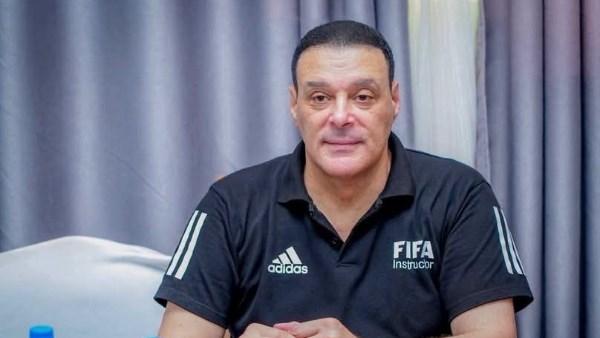
Essam Abdel Fattah, chairman of the refereeing committee at the Egyptian Football Association, addressed reports claiming that Mohamed El Ghazi, the referee of the Zamalek vs National Bank match, had been suspended because of some of his decisions during the game.
Abdel Fattah confirmed that reports of the referee’s suspension were not correct at this stage, explaining that the committee would meet to review the refereeing performances from the second round before making any decisions regarding evaluations or future referee appointments.
This step is part of the regular process of assessing referees after every round, with controversial incidents analyzed to determine whether decisions were correct according to the Laws of the Game. This means that criticism of a referee does not necessarily indicate that a suspension decision has been taken. 📢
Ahmed Fattouh Yellow-Card Controversy
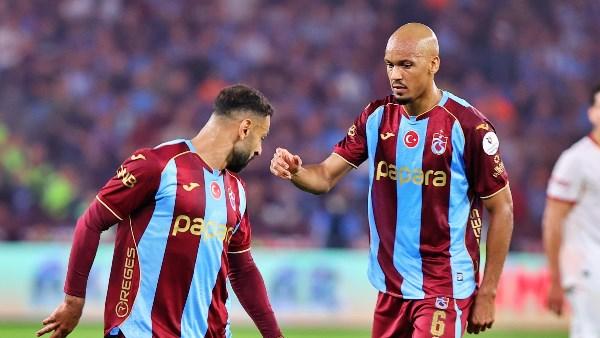
The Zamalek vs National Bank match featured significant debate surrounding an incident involving Zamalek player Ahmed Fattouh and whether he should have received a second yellow card following a challenge with a National Bank player.
Referee Mohamed El Ghazi considered the contact to be a normal challenge for the ball, a decision that sparked considerable debate among supporters and followers, particularly because a second yellow card would have resulted in the player’s dismissal.
The match ended with Zamalek securing a 3-0 victory at Cairo International Stadium, giving the White Knights an important psychological boost at the beginning of their league campaign. 🏆
Video Analysis to Settle Refereeing Questions
The refereeing committee is expected to rely on video analysis of the most important refereeing incidents from the second round in order to review decisions from both technical and legal perspectives.
This approach aims to evaluate refereeing performances more accurately rather than relying solely on the reactions of supporters and coaching staffs, especially because some incidents can look different from multiple angles or after detailed analysis.
Such reviews can also help improve refereeing standards and address mistakes when they occur, which could have a positive impact on the quality of refereeing during the upcoming rounds.
Al Ahly vs ZED.. Three Incidents Attract Attention
The refereeing debate also extended to the Al Ahly vs ZED match, which ended with a 2-0 victory for the Red Giants after several questions were raised over decisions during the encounter.
One of the incidents involved Achraf Bencharki and the possibility of awarding a penalty against him, before the refereeing assessment concluded that the decision not to award a penalty was correct.
According to the refereeing interpretation, the ball touched part of Bencharki’s shoulder before reaching his hand, meaning the incident did not warrant a penalty and confirming that the referee applied the law correctly in that situation. ⭐
Taher Mohamed Taher’s Goal Under Review
Al Ahly’s second goal, scored by Taher Mohamed Taher, also generated discussion over a possible offside situation during the build-up.
The refereeing interpretation confirmed that the goal was valid, explaining that the offside position should be assessed from the moment the Al Ahly player who passed the ball to Ahmed Sayed Zizo touched it, rather than from the later moment when the ball was kicked afterward.
This detail highlights the importance of identifying the exact moment at which an offside position is assessed, particularly during attacks involving several consecutive passes and rapidly changing player positions.
Abdullah Bakry Incident.. Why Was No Foul Given?
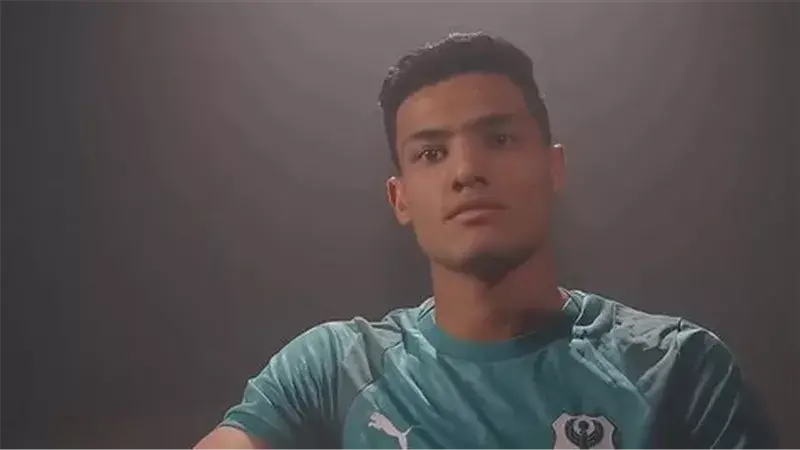
Another incident in the match involved ZED defender Abdullah Bakry after contact with an Al Ahly player. The refereeing committee considered the push to be light and not serious enough to constitute a foul.
The incident did not end there, as the ZED defender regained possession before later making an incorrect pass. From a legal perspective, this meant that a new phase of play had begun and the earlier incident could not then be used to award a foul.
Al Ahly Secure Their Second Victory
On the sporting side, Al Ahly defeated ZED 2-0, with Achraf Bencharki and Taher Mohamed Taher scoring the two goals, allowing the Red Giants to collect another three points and move to 6 points after two rounds.
ZED, meanwhile, remain on one point and will be looking to improve their results during the upcoming rounds.
Refereeing Under the Spotlight
These incidents highlight the level of attention refereeing decisions receive in the Egyptian Premier League, particularly when they involve moments that could potentially change the course of matches.
The refereeing committee is expected to continue reviewing controversial incidents, while referees on the pitch remain responsible for making quick decisions under the pressure of matches and supporters.
🔥 Ultimately, the main objective of analyzing refereeing incidents is to achieve the highest possible level of accuracy and fairness while reducing influential mistakes as the league continues.
Do you believe the refereeing decisions in the Zamalek vs National Bank and Al Ahly vs ZED matches were correct? Share your opinion in the comments and tell us which refereeing incident attracted your attention the most. ⚽📢