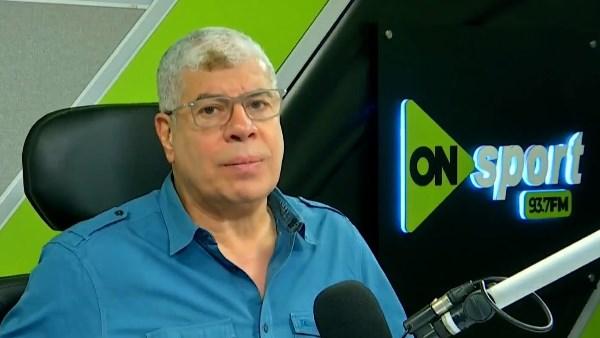

Media personality Ahmed Shobier has reopened the debate surrounding the club merger experiment, criticizing the way the idea has been implemented while stressing that the concept itself could be practical and useful. However, he believes the main problem is the speed of implementation and the lack of sufficient preparation before launching the experiment. ⚽🔥
Shobier’s comments come amid continued discussion over the identity and structure of clubs created through mergers and their ability to attract supporters and achieve sporting and commercial objectives. The success of any new football project does not depend only on an administrative decision but requires a clear strategy and carefully planned implementation stages.
Shobier believes the project could have been postponed to another season until clubs, supporters, companies and sponsors were properly prepared rather than launching an experiment whose details remain the subject of significant questions. 📢
🚨 Shobier: The Merger Was Implemented Too Quickly
Ahmed Shobier stressed that there was considerable haste in implementing the club merger concept, explaining that the idea itself could be positive and workable but that the timing and preparation required reconsideration.
He argued that the problem is not the merger concept itself, but the lack of sufficient time to prepare the project and establish foundations capable of ensuring its success and sustainability.
This means that any major sporting project requires comprehensive planning before moving from the planning stage to actual implementation.
🧠 The Idea Is Good.. But Preparation Matters More
Shobier believes mergers can be a way to reorganize clubs and make better use of available resources, but he stressed the need for more comprehensive preparation.
A merger is not simply about changing club names or creating new teams. It is also connected to club identity, supporters, administration, financial resources, sponsorship and sports investment.
Therefore, the success of the experiment requires a long-term plan explaining what will happen to every major element of the club after the merger. ⭐
💰 Companies and Sponsorship Are at the Center of the Issue
Shobier called for a fresh review of the companies and sponsorship files involving clubs that entered merger projects.
He stressed that the commercial side is a key component of the success of any sports project, particularly when clubs need stable financial resources to compete and remain sustainable.
Investors and sponsors need to understand the identity of the project, its objectives and the audience it aims to reach, making a clear club vision essential for attracting financial support.
📢 Club Presidents Under Pressure
Shobier also discussed the pressure experienced by some club presidents after becoming involved in merger projects.
He referred to a complaint from one club president who expressed frustration over the financial spending and responsibility involved while also facing criticism from supporters.
This highlights an important administrative aspect of the experiment: officials need clear support structures and effective mechanisms that enable them to manage the project without carrying burdens beyond the available resources.
⚽ Where Are the Fans in the Merger Experiment?
One of the main questions raised by Shobier concerns supporters, who remain a crucial element in the success of traditional popular clubs.
He questioned the purpose of mergers if stadium attendance remains far below expectations.
This creates a larger problem because clubs with strong popular identities depend heavily on their relationship with supporters both emotionally and commercially.
🏟️ Stadium Attendance as a Real Measure of Success
Fan attendance can be considered one of the important indicators of whether a new football experiment is succeeding.
The stronger the connection between supporters and the club, the greater the potential for attracting sponsors, increasing commercial value and generating additional revenue.
Low attendance, by contrast, creates a more difficult challenge for clubs attempting to build new fan bases and maintain media and commercial relevance.
🔥 The Montakhab El Suez and Petrojet Match as an Example
Shobier referred to matches involving clubs connected with merger projects, highlighting the Montakhab El Suez and Petrojet match against Al Masry and suggesting that low attendance raises questions about how effectively the experiment has connected with supporters.
The objective of any sporting project goes beyond creating a team capable of competing. It also involves building a genuine relationship between the club and its supporters.
🧩 Fan Identity Cannot Be Built Quickly
One of the biggest challenges facing merged clubs is the issue of identity.
Supporters are connected not only to a team name or shirt but also to history, symbols, memories and an attachment built over many years.
Therefore, creating a new identity requires time, effort and effective marketing. It cannot be achieved simply through an administrative decision.
📊 The Experiment Needs to Be Reassessed
Shobier clearly called for the merger experiment to be reviewed, not necessarily to cancel it but to identify weaknesses and work on correcting them.
The review could cover administrative structures, funding sources, marketing plans, supporter engagement and the role of companies and sponsors.
🏆 Mergers Need a Clear Vision
Any sporting project of this scale needs a clear answer to one basic question: What is the ultimate objective of the merger?
Is the goal to reduce costs, build stronger clubs, increase investment, expand the supporter base or achieve several objectives at the same time?
Each of these goals requires different tools and clear indicators to measure success.
🧠 Development Does Not Mean Rushing
Every new project is expected to face difficulties during its early stages, but dealing with those challenges requires flexibility and a willingness to make adjustments.
Reconsidering certain aspects of the merger experiment could become an opportunity to correct the course rather than allowing problems to accumulate.
⭐ Sponsorship Needs a Fan Base
It is difficult to build a strong commercial sports project without a clearly defined supporter base because fans remain an important factor for companies seeking visibility and access to consumers.
For that reason, attracting and engaging supporters should be a central part of any future plan for merged clubs.
📢 Fans Are the Key
If merged clubs want to achieve long-term success, building a new relationship with supporters must be one of the main priorities.
This can be achieved through fan events, improving the matchday experience, stronger communication with supporters and creating a clear identity that fans feel represents them.
⚔️ Sporting Competition Alone Is Not Enough
A club may succeed competitively on the pitch, but sporting success alone does not guarantee the overall success of the project.
Financial, marketing, administrative and supporter-related aspects must work together. Otherwise, the experiment could continue to suffer from weaknesses that prevent it from achieving its objectives.
🔄 Can the Course Be Corrected?
Shobier’s comments suggest that reassessing the experiment does not necessarily mean declaring it unsuccessful. Instead, it could be an essential step toward improving it.
Every new project needs to measure its actual outcomes against the objectives established before implementation.
🏁 Conclusion
Ahmed Shobier has brought the club merger experiment back into the spotlight after stressing that the concept could be useful and practical, but arguing that its rushed implementation and insufficient preparation mean the project now requires comprehensive review. ⚽🔥
Fans, sponsorship and administrative stability will remain among the most important factors determining the future of the experiment, because a club’s success is not measured only by what happens on the pitch but also by its ability to build a strong supporter identity and a sustainable sporting and financial project.
📢 Do you believe the club merger experiment needs to be reviewed? And do you think bringing supporters back to the stadiums is the most important measure of its success? Share your opinion and predictions. 🏆⚽🔥