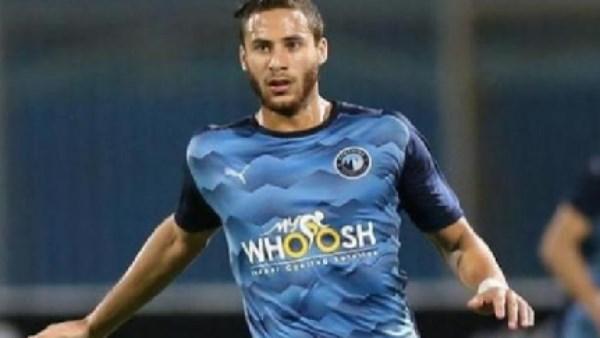

The Full Story Behind Ramadan Sobhi’s Four-Year Doping Suspension.. What Happened? 🚨
The Swiss Federal Court has closed an important chapter in Ramadan Sobhi’s doping case after rejecting the Pyramids player’s appeal against the punishment imposed on him, leaving his four-year suspension in place.
According to the announced length of the ban, the decision means Ramadan Sobhi will remain unable to play football until 2029, bringing a decisive development in one of the most widely discussed disciplinary cases involving the player in recent years.
But how did Ramadan Sobhi’s doping case begin, and what were the main stages that led to the latest ruling? 💥
How Ramadan Sobhi’s Doping Case Began
The crisis began when Ramadan Sobhi faced allegations related to a doping case, before the situation developed further after an initial decision by a hearing panel to lift his suspension.
According to reports surrounding the case, the World Anti-Doping Agency (WADA) appealed that decision, citing allegations involving the presence of a prohibited substance and claims concerning the manipulation or addition of material to the sample.
WADA subsequently notified the Egyptian Anti-Doping Organization of the appeal against the hearing panel’s decision to lift the suspension imposed on the Pyramids player.
Additional Allegations in the Case
The case included allegations connected to manipulation of the doping sample, moving the dispute into a new stage of proceedings before the relevant sports authorities.
According to the reported details, the international organization challenged the earlier hearing-panel decision and sought a four-year suspension for Ramadan Sobhi.
During the appeal process and before the final ruling was issued, the player remained eligible to participate in matches until the case was ultimately decided by the competent sports authorities.
Ramadan Sobhi’s Lawyer Explains the Legal Process
Hany Zahran, Ramadan Sobhi’s lawyer, previously discussed the developments in the case and the appeal process, explaining that the defense team had been formally notified that the appeal submitted by the World Anti-Doping Agency had been accepted at an initial stage.
Zahran noted that multiple levels of legal proceedings are possible in such cases, explaining that the player had received a favorable decision during the first stage before the case moved to the appeal stage.
The lawyer said the next stage would involve consideration of the appeal before the Court of Arbitration for Sport, with a final decision expected within a defined period. At that time, the player remained able to compete normally while awaiting the outcome.
Why Did WADA Seek a Four-Year Suspension?
According to the details reported in the case, the World Anti-Doping Agency sought a four-year suspension for Ramadan Sobhi based on the allegations connected to the doping sample.
That move pushed the dispute into another legal stage, particularly after the earlier decision lifting the suspension was challenged by the international anti-doping body.
The case then developed into a lengthy legal and sporting process, with the player and his defense team awaiting a final ruling on the punishment.
Appeal Rejected and Four-Year Suspension Upheld ⚖️
In the latest development, the Swiss Federal Court rejected Ramadan Sobhi’s appeal, confirming that the punishment against him remains in effect.
As a result, the four-year suspension continues, meaning the player will remain unavailable for football during the punishment period under the current ruling, with his absence extending until 2029 based on the announced duration.
The decision represents a major turning point in the case, moving it from the appeal and challenge stage toward the implementation of the continuing suspension.
What Does the Decision Mean for Ramadan Sobhi and Pyramids? ⚽
The ruling leaves Ramadan Sobhi facing a lengthy absence from competitive football, directly affecting his sporting career and his future with Pyramids.
The continuation of the suspension also raises additional questions regarding the player’s relationship with the club and how his status will be handled during the period of ineligibility, depending on the contract and applicable regulations.
Ultimately, Ramadan Sobhi’s case highlights the lengthy and complex process that doping disputes can involve, from initial decisions and appeals through multiple stages of proceedings and finally to a ruling determining the duration of the punishment.