
⚽ Wenger Reveals Future of Water Breaks After World Cup 2026 💧🔥
Water breaks became one of the biggest talking points during the 2026 World Cup after FIFA introduced them as a mandatory feature in every match of the tournament for the first time in World Cup history.
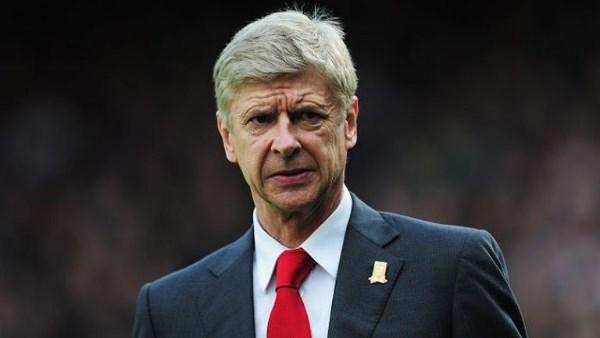
Arsène Wenger, FIFA’s Chief of Global Football Development, revealed that the continuation of this system after the tournament has not yet been decided, explaining that the final decision will depend on a comprehensive evaluation of its impact on matches from all perspectives.
Wenger confirmed that FIFA will analyze the influence of water breaks on the rhythm of games, competition levels, and the experience of both fans and players before deciding whether they should remain in future tournaments. ⭐
📢 Wenger: The Decision Requires Full Evaluation
Wenger explained that the main purpose behind introducing water breaks was protecting players, especially due to difficult weather conditions during some World Cup 2026 matches.
The French football official said some fans did not fully accept these breaks, which means FIFA must carefully study different reactions before reaching a final conclusion.
He added that, from his personal point of view, water breaks did not directly affect match results, but the issue still requires detailed analysis because the main goal is improving football and enhancing the experience for players and supporters.
🌡️ Weather Conditions Behind the Original Decision
Water breaks were introduced during the 2026 World Cup because of concerns over high temperatures in some matches, especially with the tournament being played across several cities with different climates.
However, FIFA decided to apply the rule in all matches instead of limiting it to games affected by extreme heat, creating a unified system for all participating teams.
The tournament featured two breaks during each match, lasting around three minutes in the middle of each half, including games played in indoor stadiums that were not heavily affected by weather conditions.
💰 Commercial Side.. Have Water Breaks Become a New Revenue Source?
The debate around water breaks was not limited to football reasons, as the breaks also attracted attention from the commercial side after becoming a new advertising opportunity during matches.
Some observers believe these moments could become an important part of future broadcasting rights negotiations, allowing companies to display advertisements without affecting actual playing time.
The economic value of these breaks could become significant as sponsors and media platforms continue searching for new ways to reach audiences during the biggest sporting events in the world. 📺🔥
🧠 Coaches Used Breaks for Tactical Instructions
One of the most noticeable aspects during the tournament was how many coaches used water breaks as additional tactical timeouts.
Technical staff used these minutes to give instructions, correct mistakes, and reorganize players on the field, which created criticism from some fans and analysts who felt the breaks affected the natural flow of matches.
On the other hand, supporters of the system believe player safety should remain the priority and that any measure reducing physical risks deserves consideration.
🏆 From Brazil 2014 to World Cup 2026
The idea of cooling breaks dates back to the 2014 World Cup in Brazil, when FIFA allowed match stoppages due to extreme temperatures.
However, the 2026 edition represented the biggest change as the breaks became mandatory in all matches rather than being limited to exceptional conditions.
This development placed the system under a real test, with everyone now waiting for FIFA’s final report to determine whether water breaks will become a permanent part of football rules.
🔥 FIFA’s Upcoming Decision Will Determine the Future
The football world is waiting for FIFA’s final decision after the 2026 World Cup, as technical analysis, feedback, and commercial factors will all be considered before determining the future of water breaks.
Between those who see them as an essential step to protect players and those who believe they affect match rhythm and increase commercial opportunities, FIFA’s next decision will attract global attention.
⚽ Do you support keeping water breaks in football, or do you think they affect the excitement of matches? Share your opinion.