

Lawyer Karim El Deeb
Karim El Deeb
Overview
Karim El-Deeb is a Cassation lawyer in Egypt specializing in legal services for foreigners and foreign companies. Accredited by European embassies, he offers over 18 years of experience.
Description
🧑⚖️ Karim El-Deeb | Foreigner & Foreign Companies Lawyer in Egypt
Founder & CEO of Karim El-Deeb Law Firm – 🌐 Unlimited Lawyers and Foreign Service
📝 About Karim El-Deeb
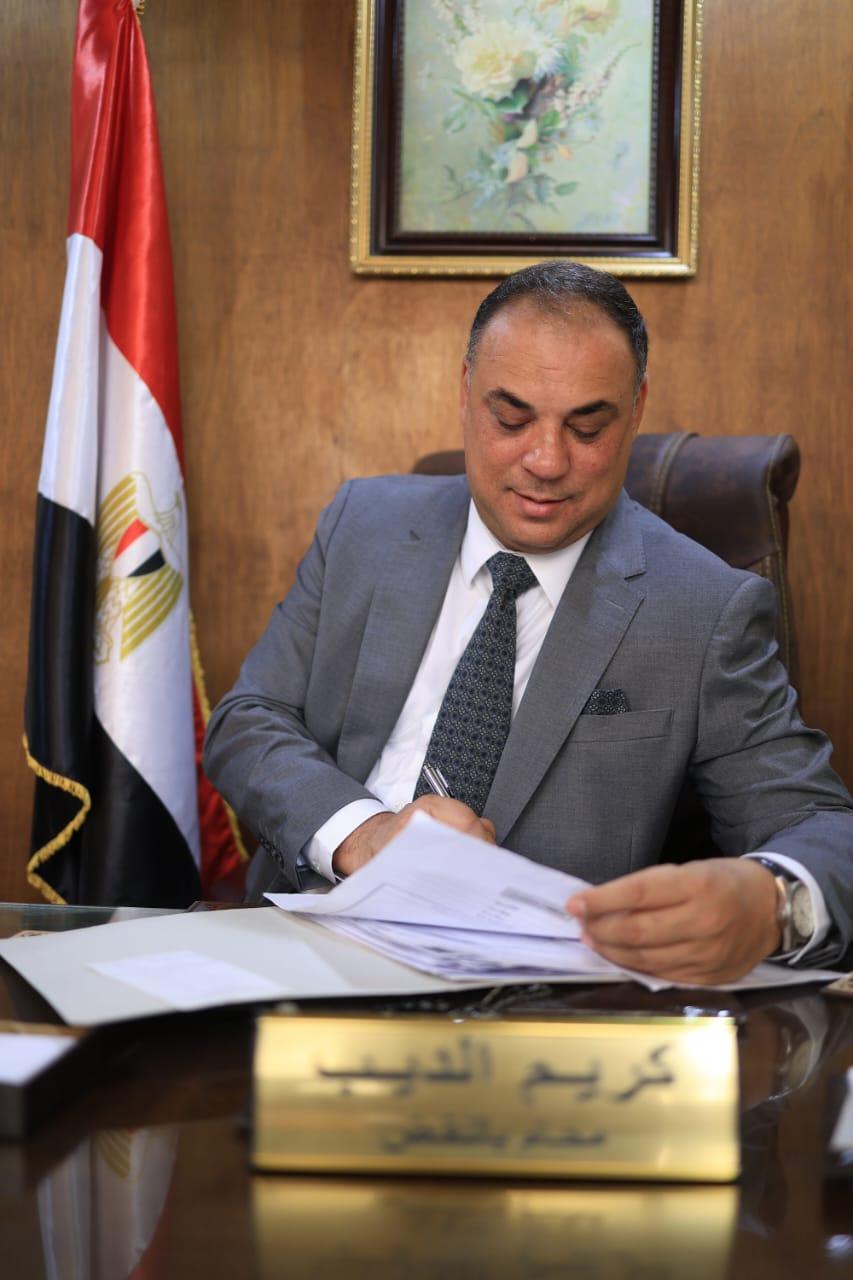
Mr. Karim El-Deeb, a 44-year-old Egyptian cassation lawyer (born 1980), is renowned for his expertise in foreigner & foreign companies legal cases in Egypt, with over 18 years of legal experience. His career has been distinguished by handling complex matters related to foreign investments, immigration, residency, and international trade. He is accredited by the French Consulate and several European embassies, offering legal services with the highest level of confidentiality and professionalism. 🔒
🎓 Academic Qualifications
📜 Bachelor of Laws – with Very Good honors – from an Egyptian university (graduated 2002).
🎓 Diploma in International Law – from Switzerland (completed after over six years of study, 2003–2009).
💼 Professional Experience
2005–2010: Worked in international law firms in Switzerland and France, focusing on foreigner immigration and residency cases. 🌍
2011–2013: Served as a legal intern in the United States, specializing in international arbitration and commercial law. 🏛️
2013–2020: Established the first branch of Karim El-Deeb Law Firm in Alexandria, providing legal consultation to foreign investors. ⚖️
2020–Present: Launched a second branch in Sharm El-Sheikh to serve tourists and investors in the tourism sector. 🏖️
🛠️ Skills & Languages
🇪🇬 Arabic (native).
🇬🇧 English (fluent) – expertise in drafting international legal documents.
🇫🇷 French (fluent) – ability to liaise with the French Consulate and European clients.
🇮🇹 Italian (fluent) – experience with Italian clients and commercial cases.
🤝 Strong negotiation skills with government entities and embassies.
📜 Accreditations & Diplomatic Certificates
Officially accredited as a lawyer by:
🇫🇷 French Consulate in Egypt (since 2015).
🇬🇧 British Embassy in Egypt (since 2016).
🇧🇪 Belgian Embassy in Egypt (since 2017).
🌍 Additional accreditations from various European embassies (Germany, Italy).
🚀 Unlimited Legal Services
Karim El-Deeb Law Firm provides comprehensive and specialized legal services in:
🧑⚖️ Legal consultations for foreigner & foreign companies cases.
🛂 Immigration, residency, and visa affairs for foreigners (complete services for renewals and permits).
🏢 Establishment of foreign companies and investment entities in Egypt (joint-stock companies, LLCs, branches of foreign companies).
📜 Commercial law and international contracts (drafting commercial agreements, export-import contracts).
⚖️ Dispute resolution and settlement (domestic and international arbitration, legal mediation).
🏛️ Representation before all Egyptian courts, including the Court of Cassation.
👩💼 Specialized advice on Egyptian labor laws for foreigners and multinational companies.
🏨 Legal services for the tourism sector (tourism company licenses, organizing foreign workers in tourism establishments).
🏘️ Legal support for foreign investments in real estate and tourism projects.
The firm serves over 3500 clients from both foreign and Egyptian nationalities, maintaining a comprehensive client database including France, UK, Belgium, Italy, Germany, and the Arab United States. 🌐
🌟 Vision & Mission
Karim El-Deeb Law Firm aims to deliver world-class international legal services while maintaining absolute confidentiality and professional ethics. The firm strives to remove barriers for foreign investors, facilitating their legal procedures, and provide a supportive environment for new lawyers in this specialized field. 🤝
📍 Locations & Contact Information
🏙️ Alexandria: 14 El-Shohada Street, Mansheya Abdel Gawad, Mansheya.
🏝️ Sharm El-Sheikh: 123 El-Bahr Street, Al-Hadaba, Sharm El-Sheikh.
📞 Phone: +20 12 23767592
🌐 Website: https://www.ke-lawyer.com
📧 Email: [email protected]
📘 Facebook: +20 12 23767592


© 2025 Karim El-Deeb – All Rights Reserved | Unlimited Lawyers and Foreign Service 🌐
Services
Tags

Work Places
1
Karim El-Deeb Law Firm
VerifiedKarim El-Deeb Law Firm is one of Egypt’s leading law firms specializing in legal services for foreign individuals and international companies, offering expertise in company formation, international arbitration, investment law, residency matters, and cross-border legal services with over 18 years of experience in Alexandria and Sharm El Sheikh.
News & Articles
A complete legal guide for foreigners who want to live and reside in Egypt legally, covering visas, residency types, work, marriage, investment, citizenship, and dealing with government authorities, with comprehensive legal solutions provided by Counselor Karim El-Deeb.

Egyptian law sets a number of restrictions that regulate foreign ownership of property in Egypt. The most important of these include:

Legal advisor Karim El-Deeb reveals the top 5 common legal mistakes made by business owners and investors that can lead to significant financial losses, along with practical guidance on how to avoid them and protect their investments.

Learn how international arbitration can protect foreign investment in Egypt and resolve disputes between foreign investors and Egyptian companies, with Karim El-Deeb’s legal expertise in international arbitration, investment, and international commercial contracts.

An international commercial arbitration lawyer in Alexandria specializing in supply contract and industrial equipment disputes between Egyptian and foreign companies. Learn about Karim El Deeb's legal services in international commercial disputes and arbitration.

International Maritime Arbitration Lawyer in Alexandria, Karim El Deeb provides specialized legal support in international maritime and commercial disputes, focusing on protecting Egyptian companies in disputes with foreign companies involving shipping contracts, transportation, and international arbitration.

Learn about international arbitration cases, their role in resolving commercial and investment disputes, and the importance of legal representation.

Learn about legal mediation, its role in amicable dispute resolution, and the importance of legal assistance with Lawyer Karim El-Deeb.
The Cairo Regional Centre for International Commercial Arbitration (CRCICA) is one of the important institutions within the regional dispute-resolution landscape. The Centre administers international, regional, and domestic arbitration proceedings, in addition to providing other dispute-resolution mechanisms in commercial and investment matters.

In major commercial contracts, companies often focus on the transaction value, delivery schedules, payment terms, and guarantees, while overlooking an important legal provision: the dispute resolution and arbitration clause. What should be reviewed before signing? And how can a single clause affect the way a future commercial dispute is handled?
Karim El Deeb is a lawyer admitted before the Court of Cassation and the founder of Karim El Deeb Law Firm – Unlimited Lawyers and Foreign Service, which specializes in legal matters involving foreign nationals and foreign companies in Egypt. He has over 18 years of experience in company formation, foreign investment, residency and immigration, international commercial contracts, litigation, and international arbitration. He also provides legal services to foreign investors and individuals.
Addresses:
Alexandria Branch: 14 El Shohada Street, Mansheya, Alexandria, Egypt.
Sharm El Sheikh Branch: 123 El Bahr Street, Hadaba, Sharm El Sheikh, Egypt.
Phone: 01223767592
WhatsApp: +201223767592
Email: [email protected]
Website: https://www.ke-lawyer.com
