

Counselor Mohamed Abou El-Ezz
Legal expert specialized in High Appeals and the State Council
Contact
Available Now"28 Makram Ebeid Street, 2nd Floor above Ground Floor, Right of the Elevator, Nasr City, Cairo., Nasr City, Cairo
Location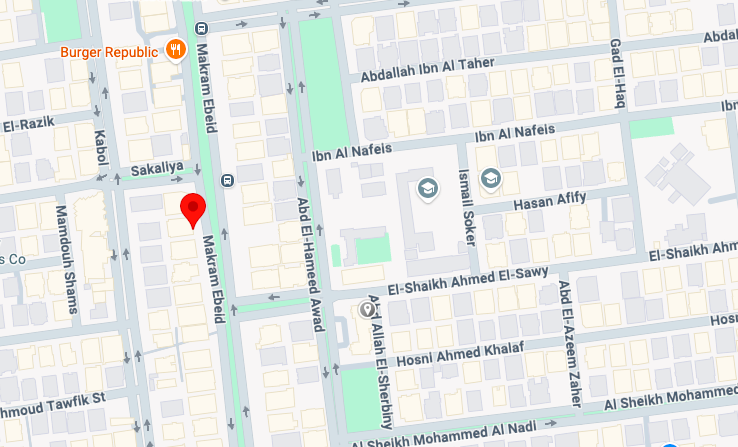
Overview
"In the complex and fast-changing world of law, choosing the right lawyer is a crucial step to protect your rights and achieve your legal interests efficiently and professionally. Counselor Mohamed Abou El-Ezz, a High Appeals and State Council Lawyer
Description
Counselor Mohamed Abou El-Ezz
Introduction
In the complex and fast-changing world of law, choosing the right lawyer is a crucial step to protect your rights and achieve your legal interests efficiently and professionally. Counselor Mohamed Abou El-Ezz, High Appeals and State Council Lawyer, provides clients with comprehensive legal services covering various legal fields, ranging from personal status law to civil, labor, commercial, criminal, and electronic cases, as well as company formation procedures, contract registration, activity and building licenses, and legal translation.
With extensive experience spanning many years, Counselor Mohamed Abou El-Ezz combines deep understanding of local and international laws and regulations with the ability to provide practical and effective solutions for all legal cases. Our goal is always to offer precise consultations, meticulous follow-up, and protect clients’ rights in a legally sound and efficient manner.
About Counselor Mohamed Abou El-Ezz
Lawyer Mohamed Abou El-Ezz is a legal expert specialized in High Appeals and the State Council, with a proven track record of success in civil, commercial, criminal, labor, and administrative law. His legal approach is characterized by professionalism and accuracy in providing legal consultations, focusing on understanding client needs and achieving the best possible legal outcomes.
Counselor Mohamed Abou El-Ezz believes that every case is unique and requires precise knowledge of laws and court procedures, in addition to flexibility in handling various complex legal issues. This makes him the ideal choice for clients seeking comprehensive and secure legal support.
Legal Specializations and Services
1. Personal Status Law
We provide comprehensive legal services in personal status cases, including:
Divorce, khula (judicial annulment), and alimony.
Child custody and visitation arrangements.
Modification or annulment of judicial rulings related to personal status.
Inheritance, wills, and complex family cases.
We ensure accurate consultations and continuous follow-up for all legal procedures to protect your rights and those of your family

2. State Council and High Appeals
As a High Appeals and State Council Lawyer, we provide:
Filing appeals and litigation before the Courts of Appeal and the State Council.
Challenging administrative and financial decisions.
Cases related to public sector jobs and government services.
Defending institutions and individuals in administrative disputes.
3. Civil and Commercial Cases
We provide civil and commercial case services including:
Debt collection and receivables.
Real estate disputes and rental cases.
Commercial contract disputes and compliance.
Resolution of commercial disputes and investments.
4. Criminal Cases
Our legal expertise covers all felonies and misdemeanors, including:
Economic and electronic crimes.
General felonies and complex crimes.
Criminal defense and protection of defendants’ rights.
Legal follow-up at all stages of the case, from investigation to final judgment.
5. Labor Cases
We provide legal consultations and solutions in:
Unfair dismissal and labor claims.
Employee rights and social insurance.
Labor contract disputes and compensations.
6. Company Formation and Licensing
We assist our clients in:
Establishing companies of all types according to Egyptian law.
Registering contracts and official documents legally and securely.
Obtaining commercial and building licenses efficiently.
Facilitating procedures for traffic, health, and consent registration licenses.
7. Legal Translation
Counselor Mohamed Abou El-Ezz provides certified legal translation for all legal documents, ensuring:
Accuracy of translation and document reliability.
Compliance with local and international legal standards.
Faster submission of documents to official authorities and courts.
Why Choose Lawyer Mohamed Abou El-Ezz?
-
Extensive experience in all legal fields: From personal status to criminal and commercial cases, we provide comprehensive legal expertise.
-
Meticulous case follow-up: We pay attention to every detail to achieve the best legal outcomes.
-
Direct and transparent communication with clients: We provide clear and simple legal consultations without complicated or confusing terms.
-
Customized legal solutions: Each case has specially designed plans and strategies to ensure success.
Contact Information
To contact lawyer Mohamed Abou El-Ezz, you can use the following methods:
Official Email: [email protected]
Phone Number: 01129450760
WhatsApp Direct Contact: 01129450760
Full Address: 28 Makram Ebeid Street, 2nd Floor above Ground Floor, Right of Elevator, Nasr City, Cairo.
Working Hours: By appointment with clients.
You can also schedule a legal consultation appointment directly by calling or sending a WhatsApp message.
Additional Premium Services
Legal consultations online or via phone.
Follow-up of cases in all Egyptian courts, including High Appeals and State Council.
Providing customized legal advice for companies and entrepreneurs.
Protecting the legal rights of employees and clients in various disputes.
Our Commitment to Quality
At the office of lawyer Mohamed Abou El-Ezz, we are committed to providing:
Professional and transparent legal service.
Protection of clients’ interests with the highest level of professionalism and integrity.
Speedy execution in all legal procedures.

News & Articles

It is considered that the Old Rent Law is one of the most controversial laws within Egyptian society, as it relates to fundamental rights of both landlords and tenants and has remained in force for decades without a substantive amendment to put an end to this controversy. Despite the widespread belief among many landlords that it is impossible to recover their residential units subject to this law,

A complete guide to online defamation in Egypt, including definition, penalties, and legal protection with Counselor Mohamed Abou El-Ezz.

Article 245 of the Penal Code states that the use of lethal force in legitimate self-defense of oneself or property may exempt a person from punishment, but this is subject to specific conditions:

Legal expert Counselor Mohamed Abu El-Ezz explains when killing a burglar inside your home is considered lawful self-defense under Egyptian law, outlining the strict conditions of legitimate defense and when the act becomes a punishable crime.

Counselor Mohamed Abo El Ezz provides specialized legal services in family law cases in Nasr City, with extensive experience in divorce, khul', alimony, child custody, visitation rights, and comprehensive legal solutions to protect clients' rights.
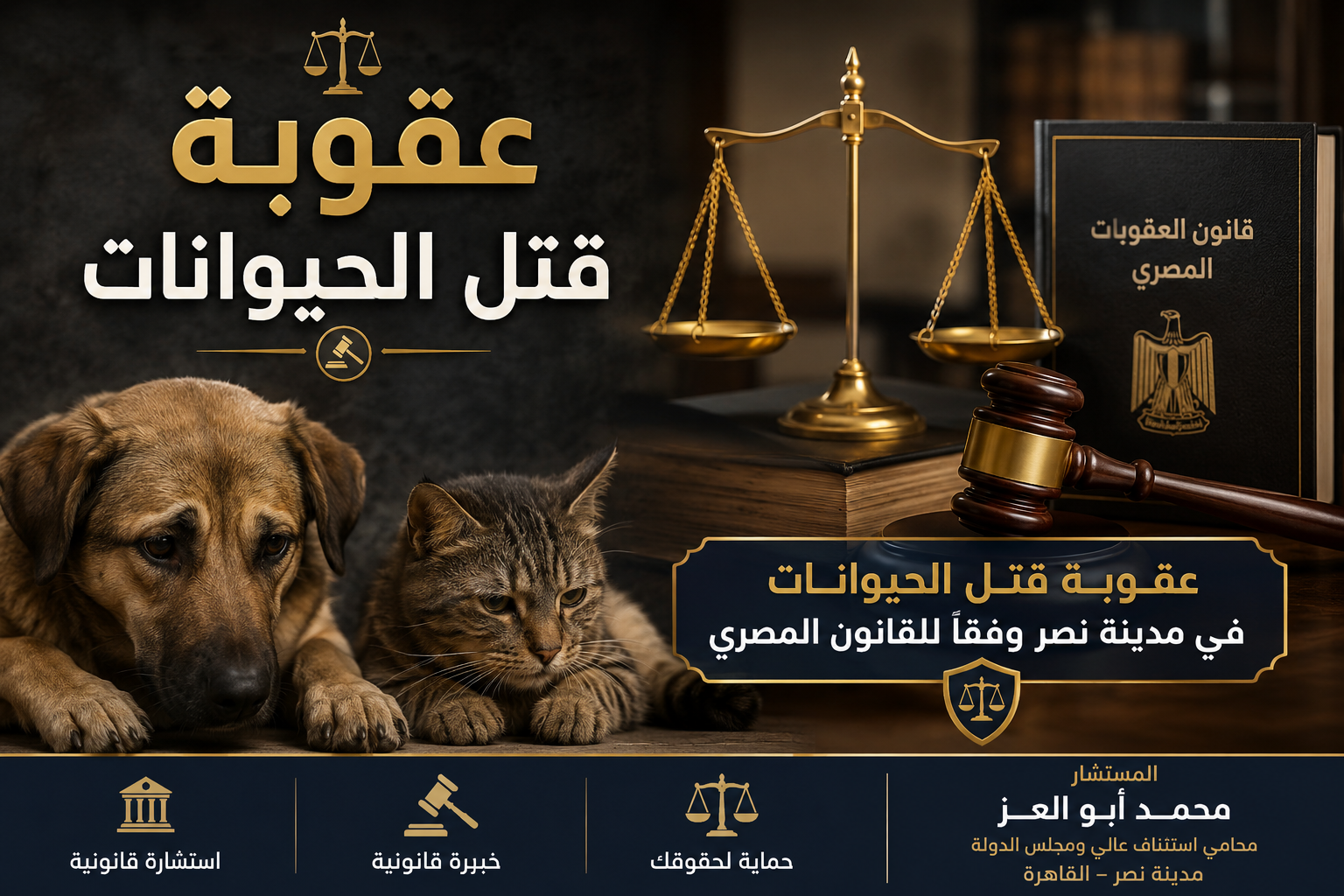
Learn about the penalties for killing animals in Nasr City under Egyptian law, including intentional killing, poisoning, or serious harm to animals, with legal guidance from Mohamed Abu El-Ezz.

Learn about the penalties for killing animals in Nasr City under Egyptian law, including intentional killing, poisoning, or serious harm to animals, with legal guidance from Mohamed Abu El-Ezz.

Learn about the difference between old and new rental laws in Nasr City, the meaning of monthly rental contracts, and the key rules governing lease duration and termination under Egyptian law with Mohamed Abu El-Ezz.
